Conditions · Hematology and oncology
Paraneoplastic syndromes !
Problems caused at a distance by a cancer, through hormones it releases or an immune attack it triggers, and not by the tumour pressing or spreading.
Updated 2026-11-01
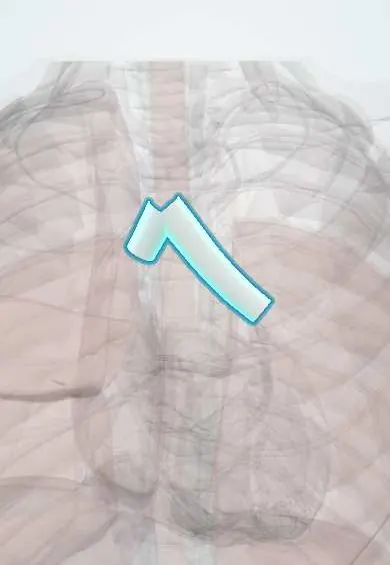
Structures involved
Tap one to see what it is and open it in 3D.
Why it happens
- Paraneoplastic syndromes: the table to know
- Calcium regulation: PTH, vitamin D and calcitonin
- ADH, thirst and water balance
- The HPA axis and its circadian rhythm
What it is
Signs and symptoms of cancer that are not explained by the tumour's local growth or metastases, but by hormones, peptides or cytokines the tumour secretes, or by an immune response against tumour antigens that cross-reacts with normal tissue. They may appear before the cancer is known.
Who gets it
They affect roughly 8–10% of people with cancer, more often with lung cancer (especially small-cell), breast, ovarian, renal and haematological cancers and thymoma. In Colombia and Latin America, where lung cancer is often diagnosed at an advanced stage, an unexplained paraneoplastic picture can be the first clue to the tumour.
Causes
- Ectopic hormone production by the tumour: PTH-related peptide, ADH, ACTH, erythropoietin, insulin-like growth factor 2
- Autoimmune cross-reaction: antibodies or T cells against shared tumour and nerve or muscle antigens (anti-Hu, anti-Yo, anti-VGCC, anti-NMDA receptor)
- Cytokines and procoagulant factors from the tumour (fever, cachexia, clotting)
- Unknown mechanisms in some skin and rheumatological syndromes
Risk factors
- Small-cell lung cancer (SIADH, ectopic Cushing syndrome, Lambert-Eaton, encephalomyelitis)
- Squamous cell lung cancer (hypercalcaemia from PTHrP)
- Renal cell carcinoma and hepatocellular carcinoma (erythrocytosis, hypercalcaemia)
- Thymoma (myasthenia gravis, pure red cell aplasia)
- Ovarian and breast cancer (paraneoplastic cerebellar degeneration); ovarian teratoma (anti-NMDA receptor encephalitis)
Pathophysiology
Endocrine syndromes arise when tumour cells, often of neuroendocrine origin, secrete active hormones without normal feedback: PTH-related peptide raises calcium, ectopic ADH causes water retention and hyponatraemia, ectopic ACTH drives cortisol excess with hypokalaemia. Neurological syndromes are immune-mediated: the tumour expresses neuronal proteins, and the antibodies and cytotoxic T cells generated against it also attack the nervous system, causing often irreversible neuronal loss. Haematological and coagulation syndromes come from tumour cytokines, erythropoietin and tissue factor.
Classification
- Endocrine: hypercalcaemia of malignancy, SIADH, ectopic Cushing syndrome, hypoglycaemia, carcinoid syndrome
- Neurological: Lambert-Eaton myasthenic syndrome, cerebellar degeneration, limbic encephalitis, sensory neuronopathy, opsoclonus-myoclonus
- Haematological: erythrocytosis, eosinophilia, thrombocytosis, Trousseau syndrome (migratory thrombophlebitis), nonbacterial thrombotic endocarditis
- Dermatological and rheumatological: acanthosis nigricans, dermatomyositis, sign of Leser-Trélat, hypertrophic osteoarthropathy and digital clubbing
- Renal and constitutional: membranous nephropathy, fever, cachexia
Symptoms and signs
- Confusion, weakness, constipation and polyuria (hypercalcaemia)
- Nausea, headache, confusion and seizures (hyponatraemia from SIADH)
- Rapid weight gain, hypertension, muscle weakness and oedema (ectopic Cushing syndrome)
- Proximal leg weakness that improves with repeated effort, dry mouth (Lambert-Eaton)
- Unsteady walking and slurred speech, memory loss or behavioural change (cerebellar degeneration, limbic encephalitis)
- Recurrent or migratory clots, finger clubbing, new dark velvety skin patches or a heliotrope rash
Diagnosis
- Clinical
- Think of a paraneoplastic cause when a syndrome appears without the usual explanation, especially in smokers or older adults, and search for the tumour. Treating the cancer and seeing the syndrome improve supports the diagnosis.
- Tests
- Electrolytes and calcium; PTH (suppressed) with PTHrP in hypercalcaemia; serum and urine osmolality and urine sodium in hyponatraemia; ACTH and cortisol in Cushing syndrome; blood count. Paraneoplastic antibody panels in serum and cerebrospinal fluid (anti-Hu, anti-Yo, anti-Ri, anti-VGCC, anti-NMDA receptor, anti-acetylcholine receptor). Electromyography in Lambert-Eaton (increment of response after exercise or fast stimulation). Biopsy of the tumour found.
- Imaging
- CT of the chest, abdomen and pelvis as the first search for the cancer; PET-CT when CT is negative and suspicion stays high; pelvic or testicular ultrasound for teratoma or germ cell tumour; brain MRI in encephalitis.
Differential diagnosis
- Direct metastatic involvement (brain, bone, liver, adrenal metastases)
- Side effects of chemotherapy, radiotherapy or immunotherapy
- Primary endocrine disease (primary hyperparathyroidism, pituitary Cushing disease)
- Infectious or autoimmune encephalitis not linked to cancer
- Metabolic encephalopathy and malnutrition
Goal of treatment
Find and treat the underlying cancer, which is the most effective way to control the syndrome, while correcting dangerous metabolic disturbances and limiting irreversible neurological damage.
Treatment
- Medical
- Treatment of the tumour with surgery, chemotherapy, radiotherapy or immunotherapy according to type and stage.
- Acute
- Hypercalcaemia: intravenous saline, then bisphosphonates or denosumab, and calcitonin for rapid short-term effect; SIADH: fluid restriction, careful correction of sodium, vasopressin receptor antagonists in selected cases.
- Medical
- Ectopic Cushing syndrome: cortisol synthesis inhibitors (such as ketoconazole or metyrapone) while the tumour is treated.
- Medical
- Neurological syndromes: immunotherapy (corticosteroids, intravenous immunoglobulin, plasma exchange, rituximab); amifampridine for Lambert-Eaton weakness.
- Follow-up
- Nursing priorities: neurological checks and fall prevention, fluid balance and daily weights, electrolyte and glucose monitoring, seizure precautions and anticoagulation safety in Trousseau syndrome.
Complications
- Coma, seizures or arrhythmias from severe calcium or sodium disturbances
- Severe infections and hyperglycaemia from cortisol excess
- Permanent disability from neuronal loss
- Venous thromboembolism and embolic stroke
- Delay in cancer diagnosis when the syndrome is not recognised
Prognosis
Depends mostly on the underlying cancer. Endocrine syndromes often improve when the tumour responds, but hypercalcaemia of malignancy usually marks advanced disease. Antibody-mediated syndromes against surface antigens (Lambert-Eaton, anti-NMDA encephalitis) often respond to treatment, whereas those caused by T cells against intracellular antigens (anti-Hu, anti-Yo) often leave lasting deficits.
Test yourself
Think of the answer, then tap the question to see it.
Which lung cancer type most often causes SIADH and ectopic Cushing syndrome?
Small-cell lung cancer.
Which peptide causes hypercalcaemia in squamous cell lung cancer?
Parathyroid hormone-related peptide (PTHrP), with suppressed PTH.
How does Lambert-Eaton weakness differ from myasthenia gravis on repeated effort?
Lambert-Eaton strength improves briefly with repeated effort, whereas myasthenia gravis weakness worsens.
Which tumours classically cause paraneoplastic erythrocytosis?
Renal cell carcinoma and hepatocellular carcinoma, through erythropoietin secretion.
Which tumour should be sought in a young woman with anti-NMDA receptor encephalitis?
An ovarian teratoma.
Related conditions
- Lung cancer
- Hypercalcaemia of malignancy
- Cushing syndrome
- Lambert-Eaton myasthenic syndrome
- Myasthenia gravis
- Renal cell carcinoma
- Hepatocellular carcinoma
- Polycythaemia vera
- Deep vein thrombosis
- Hypoglycaemia (including insulin-induced)
- Viral encephalitis (herpes simplex encephalitis)
- Peripheral neuropathy (diabetic and other)
- Carcinoid syndrome
Educational information, not medical advice. For any symptom, see a health professional.
Sources: Paraneoplastic Syndromes: An Approach to Diagnosis and Treatment (Mayo Clinic Proceedings (PubMed Central), 2010); Paraneoplastic Neurological Syndromes: Advances and Future Perspectives in Immunopathogenesis and Management (Antibodies (PubMed Central), 2026).
Spotted a mistake?We are always improving for the community. Tell us what is wrong and our team will review it.Report a mistake
Representative model, for educational purposes only.