Conditions · Surgery and trauma
Postoperative ileus !
Postoperative ileus is a temporary stop of bowel movement after surgery. It causes bloating, vomiting and no passage of gas until the gut wakes up.
Updated 2026-11-01
Structures involved
Tap one to see what it is and open it in 3D.
- Jejunum
- Ileum
- Transverse colon
- Stomach
- Duodenum
- Cecum
- Ascending colon
- Descending colon
- Sigmoid colon
- Peritoneum
Why it happens
- The enteric nervous system, slow waves and GI control
- Small bowel and colon motility
- Sympathetic and parasympathetic effects on each organ
- The GI tract wall: mucosa, submucosa, muscularis, serosa; enteric plexuses
What it is
A transient loss of coordinated propulsive motility of the gastrointestinal tract after surgery, without mechanical obstruction. Some delay is expected after abdominal surgery; it becomes prolonged ileus when it lasts beyond the usual recovery period, often taken as more than 3–4 days.
Who gets it
Prolonged ileus affects roughly 10–30% of patients after major abdominal surgery, especially bowel resection, and is a leading cause of longer hospital stay and higher costs. Enhanced recovery pathways are being adopted in Colombian and Latin American hospitals to reduce it.
Causes
- Handling of the bowel during abdominal surgery
- Opioid analgesia
- Inflammatory response to surgery
- Electrolyte disturbances, especially low potassium and magnesium
- Fluid overload and bowel wall oedema
Risk factors
- Open rather than laparoscopic surgery
- Long operations and bowel resection
- High opioid use
- Blood loss and transfusion
- Intra-abdominal complications such as abscess or leak
- Older age and prolonged immobility
Pathophysiology
Surgical stress activates inhibitory sympathetic reflexes, and handling of the bowel triggers an inflammatory reaction in the muscle layer that suppresses contractions for days. Opioids acting on gut mu-receptors further slow transit. The small bowel usually recovers within a day, the stomach in 1–2 days and the colon in 2–3 days.
Classification
- Expected (physiological) postoperative ileus
- Prolonged postoperative ileus
- Secondary ileus from a complication such as leak, abscess or peritonitis
Symptoms and signs
- Abdominal distension and bloating
- Nausea and vomiting
- No passage of flatus or stool
- Diffuse, mild abdominal discomfort rather than colicky pain
- Reduced or absent bowel sounds
- Intolerance of oral intake
Diagnosis
- Clinical
- Clinical diagnosis in the days after surgery: distension, vomiting, no flatus and quiet bowel sounds, after excluding complications and mechanical obstruction.
- Tests
- Electrolytes (potassium, magnesium, calcium), kidney function, full blood count and inflammatory markers to look for infection.
- Imaging
- Abdominal X-ray shows uniformly dilated small and large bowel with gas throughout. CT with contrast is used if ileus is prolonged, to rule out mechanical obstruction, leak or abscess.
Differential diagnosis
- Early postoperative small bowel obstruction (adhesions, internal hernia)
- Anastomotic leak or intra-abdominal abscess
- Acute colonic pseudo-obstruction
- Opioid-induced constipation
- Electrolyte disturbance or hypothyroidism
Goal of treatment
Support the patient while motility returns, correct the factors that prolong it, and exclude complications that need intervention.
Treatment
- Conservative
- Supportive care: intravenous fluids, correction of electrolytes, temporary bowel rest, and nasogastric decompression for persistent vomiting or marked distension.
- Medical
- Opioid-sparing multimodal analgesia (paracetamol, anti-inflammatory drugs, regional anaesthesia); peripherally acting mu-opioid receptor antagonists are used in some protocols after bowel resection.
- Lifestyle
- Enhanced recovery measures: early walking, early oral intake, chewing gum and avoiding fluid overload.
- Follow-up
- Nursing priorities: bowel sounds, abdominal girth, passage of flatus, intake and output, nasogastric drainage, electrolytes, and aspiration risk.
Drugs for this condition
Complications
- Aspiration pneumonia
- Dehydration and electrolyte imbalance
- Malnutrition with need for parenteral nutrition
- Wound dehiscence from raised abdominal pressure
- Longer hospital stay
Prognosis
Postoperative ileus resolves in nearly all patients with supportive care; prolonged ileus should prompt a search for an underlying complication.
Prevention
- Enhanced recovery after surgery (ERAS) pathways
- Minimally invasive surgery when possible
- Opioid-sparing analgesia and epidural analgesia in open surgery
- Goal-directed fluids and early mobilisation
Test yourself
Think of the answer, then tap the question to see it.
In what order does gut motility return after abdominal surgery?
Small bowel first (within about a day), then stomach (1–2 days), then colon (2–3 days).
Which electrolyte disturbances should be corrected in postoperative ileus?
Hypokalaemia and hypomagnesaemia (and calcium abnormalities).
What X-ray pattern distinguishes ileus from mechanical small bowel obstruction?
Ileus shows uniformly dilated small and large bowel with gas in the colon and rectum, without a transition point.
Which class of analgesic is the main modifiable cause of postoperative ileus?
Opioids; opioid-sparing multimodal analgesia reduces ileus.
What is the role of a nasogastric tube in postoperative ileus?
Decompression for persistent vomiting or marked distension; it is not used routinely.
Related conditions
- Paralytic ileus and colonic pseudo-obstruction (Ogilvie)
- Small bowel obstruction
- Large bowel obstruction
- Peritonitis
- Acute pancreatitis
- Wound dehiscence and evisceration
- Surgical site infection
Educational information, not medical advice. For any symptom, see a health professional.
Sources: Intestinal obstruction and Ileus: MedlinePlus Medical Encyclopedia (MedlinePlus (U.S. National Library of Medicine), 2024); Peripherally Acting μ-Opioid Receptor Antagonists in the Management of Postoperative Ileus: a Clinical Review (Journal of Gastrointestinal Surgery, 2021).
Spotted a mistake?We are always improving for the community. Tell us what is wrong and our team will review it.Report a mistake
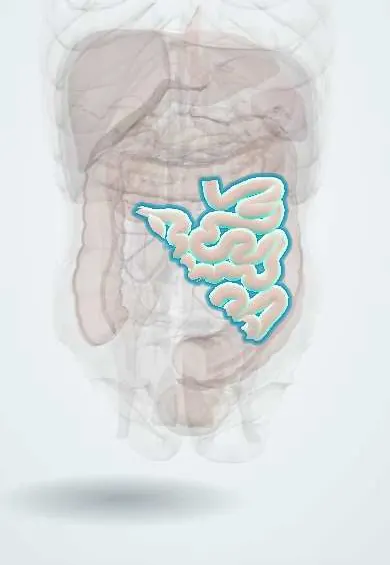
Representative model, for educational purposes only.