Conditions · Infectious and tropical diseases
Rabies !
Rabies is a viral brain infection spread by animal bites. Once symptoms start it is almost always fatal, but prompt care after a bite prevents it.
Updated 2026-11-01
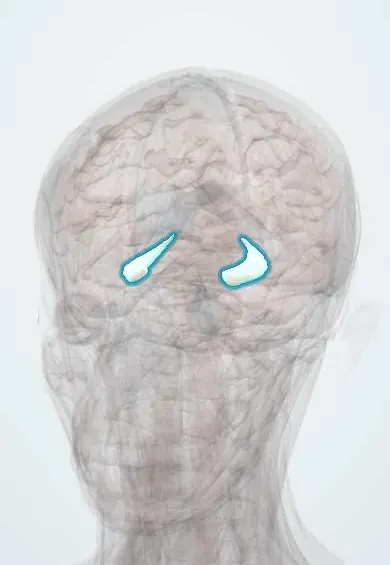
Structures involved
Tap one to see what it is and open it in 3D.
Microorganisms that cause it
Why it happens
- Neuromuscular junction: motor end plate and acetylcholine receptors
- The neuron and synapse
- Peripheral nerve: endoneurium, perineurium, epineurium; myelin
What it is
An acute, progressive viral encephalomyelitis caused by lyssaviruses, mainly rabies virus, transmitted in the saliva of infected mammals. It is virtually always fatal once symptoms appear but fully preventable with timely post-exposure prophylaxis.
Who gets it
Causes tens of thousands of deaths a year worldwide, mostly in Asia and Africa and mostly from dog bites. In Latin America dog-transmitted rabies has fallen greatly with dog vaccination, and bats (especially vampire bats) and wildlife are now the main source of human cases. In Colombia, aggressions by animals that can transmit rabies are a notifiable event, and cases linked to cats infected by bats have been reported.
Causes
- Rabies virus, a bullet-shaped RNA virus of the genus Lyssavirus (Rhabdoviridae)
- Bite, scratch or lick on broken skin or mucosa by an infected animal
- Main sources: dogs worldwide; in the Americas also bats, cats, foxes, monkeys and livestock
- Very rare: organ transplants or aerosols in caves or laboratories
Risk factors
- Bites from unvaccinated dogs or cats
- Contact with bats or wild animals
- Rural residence with limited access to post-exposure prophylaxis
- Occupations: veterinarians, zoonosis workers, laboratory staff, cave explorers
- Children, who are bitten more often and on the head and face
Pathophysiology
The virus replicates in muscle at the wound, enters peripheral nerves through the acetylcholine receptor and travels by retrograde axonal transport to the spinal cord and brain. It spreads through the central nervous system, especially the brainstem, limbic system and cerebellum, then outward along nerves to salivary glands. Neuronal dysfunction rather than marked destruction causes the clinical picture; eosinophilic cytoplasmic inclusions (Negri bodies) are typical in hippocampal pyramidal neurons and cerebellar Purkinje cells.
Classification
- Furious (encephalitic) rabies, about 80% of cases
- Paralytic rabies, about 20% of cases, often misdiagnosed
- WHO exposure categories: I (touching or feeding, intact skin), II (nibbling, minor scratches without bleeding), III (bites or scratches through the skin, licks on broken skin or mucosa, any bat exposure)
Symptoms and signs
- Incubation usually 1 to 3 months, shorter with bites on the head, face or hands
- Prodrome: fever, malaise and pain, tingling or itching at the healed wound site
- Furious form: agitation, hallucinations, autonomic instability, hypersalivation
- Hydrophobia (painful pharyngeal spasms on trying to drink) and aerophobia
- Paralytic form: ascending flaccid weakness starting at the bitten limb
- Progression to coma and death from cardiorespiratory failure
Diagnosis
- Clinical
- For exposures: assess the type of wound, the species and the animal’s status and observability to decide prophylaxis. For the disease: encephalitis or ascending paralysis with hydrophobia after an animal exposure.
- Tests
- Ante mortem: RT-PCR on saliva, cerebrospinal fluid or skin biopsy from the nape (hair follicles), and antibodies in serum or CSF in unvaccinated people. Post mortem: direct fluorescent antibody test on brain tissue, the reference method; Negri bodies on histology.
- Imaging
- MRI may show signal changes in the brainstem, hippocampus, hypothalamus and spinal cord, but it is not specific.
Differential diagnosis
- Other viral encephalitis (herpes simplex, arboviruses)
- Guillain-Barré syndrome (paralytic form)
- Tetanus
- Acute psychosis or delirium
- Poisoning with anticholinergic or organophosphate agents
Goal of treatment
Prevent the disease after an exposure with immediate wound care and post-exposure prophylaxis before the virus reaches the nervous system. Once symptoms appear, care is mainly palliative and focused on comfort and infection control.
Treatment
- Acute
- Immediate and thorough washing of the wound with soap and running water, followed by an antiseptic; primary closure is usually delayed; tetanus prophylaxis and antibiotics when indicated.
- Medical
- Post-exposure prophylaxis according to the exposure category: a course of rabies vaccine, plus rabies immunoglobulin or monoclonal antibodies infiltrated into and around the wound for severe (category III) exposures in unvaccinated people.
- Follow-up
- Observation of the biting dog or cat for 10 days when possible, notification to public health, and follow-up to complete the vaccine schedule.
- Acute
- For established rabies: intensive or palliative care with sedation, analgesia and respiratory support; standard and contact precautions for staff.
Complications
- Encephalitis with coma
- Respiratory failure from brainstem and diaphragm involvement
- Autonomic instability, arrhythmias and cardiac arrest
- Death in practically all symptomatic cases
Prognosis
Almost 100% fatal once clinical signs appear; only a handful of survivors are documented, most with severe sequelae. Correct and timely prophylaxis after exposure is nearly always effective.
Prevention
- Mass vaccination of dogs and cats, the most cost-effective measure
- Pre-exposure vaccination for high-risk workers and travellers
- Education on preventing bites and handling bats or wild animals
- Rapid access to wound care and post-exposure prophylaxis
Test yourself
Think of the answer, then tap the question to see it.
What are Negri bodies and where are they classically found?
Eosinophilic cytoplasmic inclusions of rabies virus in neurons, typically in hippocampal pyramidal cells and cerebellar Purkinje cells.
How does rabies virus reach the brain?
It enters peripheral nerves at the wound and moves by retrograde axonal transport to the spinal cord and brain.
What does post-exposure prophylaxis for a category III exposure include?
Thorough wound washing, a course of rabies vaccine and rabies immunoglobulin (or monoclonal antibodies) infiltrated into the wound.
What is hydrophobia in rabies?
Painful spasms of the pharynx and larynx when trying to swallow, which make the patient fear drinking water.
Which animal is now the main source of human rabies in the Americas?
Bats, especially vampire bats, as dog rabies has been largely controlled.
Related conditions
- Viral encephalitis (herpes simplex encephalitis)
- Tetanus
- Guillain-Barré syndrome
- Bacterial meningitis
- Delirium
Educational information, not medical advice. For any symptom, see a health professional.
Sources: Rabies (World Health Organization (WHO), 2024).
Spotted a mistake?We are always improving for the community. Tell us what is wrong and our team will review it.Report a mistake
Representative model, for educational purposes only.