Conditions · Ophthalmology and ENT
Tonsillar hypertrophy and recurrent tonsillitis (post-tonsillectomy care) !
Enlarged tonsils and adenoids or repeated tonsil infections. They can cause snoring and sleep apnoea in children; surgery is chosen for selected cases.
Updated 2026-11-01
Structures involved
Tap one to see what it is and open it in 3D.
- Palatine tonsils
- Pharynx
- Soft palate
- Tongue
- Auditory tube
- External carotid artery
- Neck lymph nodes
- Glossopharyngeal nerve (IX)
Why it happens
What it is
Enlargement of the palatine tonsils and adenoids (pharyngeal tonsil), which can obstruct breathing and swallowing, and recurrent tonsillitis, repeated infections of the tonsils. Both are leading reasons for tonsillectomy, one of the most frequent operations in children.
Who gets it
Lymphoid tissue of the tonsils and adenoids is largest between about 3 and 7 years, so obstruction peaks in preschool and school-age children. Recurrent sore throat is common in children and young adults; group A streptococcal tonsillitis matters in Latin America because of rheumatic fever, which still occurs in the region.
Causes
- Physiological lymphoid hyperplasia in childhood
- Repeated viral or bacterial infections, especially group A Streptococcus
- Allergy and exposure to tobacco smoke
- Rarely, asymmetric enlargement from lymphoma
Risk factors
- Age 3 to 7 (hypertrophy) and school age (recurrent infection)
- Obesity, which adds to sleep-disordered breathing
- Day care, crowding and smoke exposure
- Down syndrome and craniofacial anomalies
Pathophysiology
The tonsils and adenoids are mucosal lymphoid organs of Waldeyer's ring. Enlarged tissue narrows the oropharynx and nasopharynx, especially during sleep when muscle tone falls, causing snoring and obstructive sleep apnoea; adenoids also block the auditory tube and favour otitis media with effusion. Crypts can harbour bacteria and debris, sustaining recurrent infection.
Classification
- Tonsil size grades 0 to 4 (Brodsky), by the share of oropharyngeal width they occupy
- Recurrent tonsillitis meeting frequency criteria (Paradise criteria: about 7 episodes in 1 year, 5 a year for 2 years or 3 a year for 3 years)
- Obstructive hypertrophy with sleep-disordered breathing
Symptoms and signs
- Loud snoring, witnessed pauses in breathing and restless sleep
- Mouth breathing, nasal voice and adenoid facies
- Daytime sleepiness, hyperactivity, poor attention or poor school performance
- Difficulty swallowing and slow eating in large tonsils
- Recurrent episodes of sore throat, fever, tonsillar exudate and tender neck nodes
Diagnosis
- Clinical
- Oral examination with tonsil grading, nasal and ear examination, and a careful history of sleep, snoring and documented sore throat episodes.
- Tests
- Rapid antigen test or throat culture for group A Streptococcus during acute episodes; polysomnography when the diagnosis or severity of sleep apnoea is uncertain or the child has risk conditions; bleeding history and coagulation studies when indicated before surgery.
- Imaging
- Lateral neck X-ray or nasal endoscopy can show adenoid size; imaging is not needed for most cases.
Differential diagnosis
- Viral pharyngitis and infectious mononucleosis
- Peritonsillar abscess
- Lymphoma (asymmetric tonsil)
- Allergic rhinitis or nasal septal deviation as a cause of mouth breathing
- PFAPA syndrome (periodic fever, aphthous stomatitis, pharyngitis, adenitis)
Goal of treatment
Relieve airway obstruction and sleep apnoea, reduce the number of throat infections and their complications, and keep the child safe after surgery.
Treatment
- Medical
- Group A streptococcal tonsillitis is treated with a full course of a penicillin-class antibiotic; intranasal corticosteroids can reduce adenoid-related obstruction in mild cases.
- Follow-up
- Watchful waiting for recurrent sore throat that does not meet frequency criteria, documenting each episode.
- Surgical
- Tonsillectomy, often with adenoidectomy, for obstructive sleep apnoea with tonsillar hypertrophy or for recurrent tonsillitis meeting frequency criteria; also for peritonsillar abscess recurrence or suspected tumour.
- Follow-up
- Post-tonsillectomy nursing care: position on the side or semi-Fowler after anaesthesia, watch for frequent swallowing, bright red blood and rising heart rate (signs of bleeding), avoid suction and straws in the throat, encourage cool fluids and soft foods, avoid NSAIDs that affect platelets when advised, and give clear instructions for secondary bleeding at days 5 to 10.
- Acute
- Post-tonsillectomy haemorrhage is an emergency: airway protection, intravenous access and fluids, and return to the operating room to control bleeding when needed.
Complications
- Obstructive sleep apnoea with growth delay, behaviour problems and, rarely, pulmonary hypertension
- Otitis media with effusion from adenoid obstruction
- Peritonsillar abscess
- Rheumatic fever and post-streptococcal glomerulonephritis after streptococcal infection
- After surgery: primary (first 24 h) or secondary (about days 5 to 10) haemorrhage, dehydration from pain, airway obstruction and velopharyngeal insufficiency
Prognosis
Tonsil and adenoid tissue tends to shrink after childhood. Tonsillectomy usually resolves obstructive sleep apnoea in otherwise healthy children and reduces sore throat episodes in the following years; most recover within 1 to 2 weeks.
Prevention
- Avoiding tobacco smoke exposure
- Correct and complete treatment of streptococcal tonsillitis to prevent rheumatic fever
Test yourself
Think of the answer, then tap the question to see it.
When does secondary post-tonsillectomy haemorrhage usually occur?
About 5 to 10 days after surgery, when the scab separates.
Which early sign in a child after tonsillectomy suggests bleeding?
Frequent swallowing, with rising heart rate and bright red blood.
What is the most common indication for tonsillectomy in children?
Obstructive sleep-disordered breathing caused by tonsil and adenoid hypertrophy.
Why is streptococcal tonsillitis treated with a full antibiotic course?
To prevent complications such as rheumatic fever and peritonsillar abscess.
Related conditions
- Streptococcal pharyngitis
- Peritonsillar abscess
- Obstructive sleep apnoea
- Otitis media with effusion and chronic suppurative otitis media
- Infectious mononucleosis
- Scarlet fever
- Von Willebrand disease
- Post-streptococcal glomerulonephritis
Educational information, not medical advice. For any symptom, see a health professional.
Sources: Tonsillitis (MedlinePlus, US National Library of Medicine, 2026); Tonsillectomy (MedlinePlus, US National Library of Medicine, 2026); Tonsil and adenoid removal - discharge (MedlinePlus, US National Library of Medicine, 2026).
Spotted a mistake?We are always improving for the community. Tell us what is wrong and our team will review it.Report a mistake
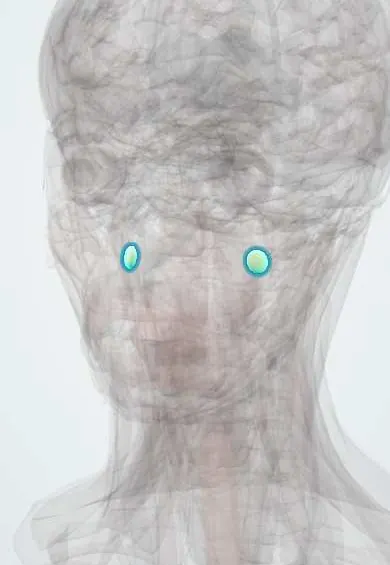
Representative model, for educational purposes only.