Conditions · Infectious and tropical diseases
Viral (aseptic) meningitis !
Viral meningitis is an infection of the membranes around the brain and spinal cord caused by a virus. It is usually milder than bacterial meningitis.
Updated 2026-11-01
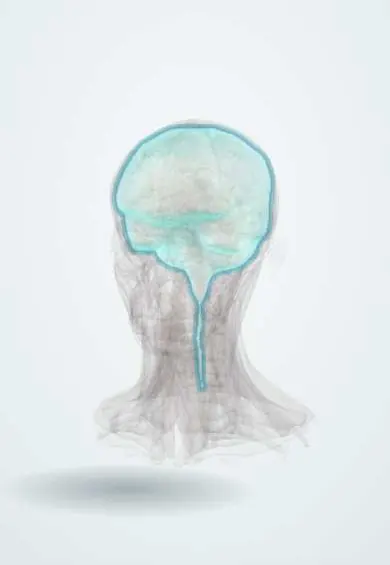
Structures involved
Tap one to see what it is and open it in 3D.
Why it happens
- CSF and the blood–brain barrier
- Blood–brain barrier, choroid plexus and cerebrospinal fluid
- Gray and white matter, cerebellar cortex, meninges
What it is
Inflammation of the leptomeninges (arachnoid and pia mater) caused by a virus, with fever, headache and neck stiffness but preserved consciousness. It is the most common form of meningitis and is called aseptic because routine bacterial cultures are negative.
Who gets it
Occurs worldwide at all ages, most often in children and young adults. Enteroviral cases rise in warm months in temperate countries and can occur year-round in the tropics, including Colombia. Outbreaks of enteroviral meningitis occur in schools and communities. Mumps meningitis has fallen where vaccination coverage is high.
Causes
- Non-polio enteroviruses (echoviruses, coxsackieviruses), the most common cause
- Herpes simplex virus, especially type 2, which can cause recurrent episodes (Mollaret meningitis)
- Varicella-zoster virus and, less often, Epstein-Barr virus
- Arboviruses (for example West Nile virus) and acute HIV infection
- Mumps, measles and lymphocytic choriomeningitis virus (rodent exposure)
Risk factors
- Young children and infants, who become more severely ill
- Contact with an infected person or crowded settings during outbreaks
- Recent primary genital herpes
- Weakened immunity (HIV, chemotherapy, transplant)
- Lack of vaccination against mumps, measles and varicella
Pathophysiology
Most viruses reach the meninges through the blood after replicating in the gut or respiratory tract; herpesviruses may also travel along nerves. Infection of the meninges triggers inflammation in the subarachnoid space with a lymphocyte-predominant cellular response. Unlike bacterial meningitis, the brain tissue itself is usually spared, so consciousness and focal function are preserved; involvement of brain tissue defines meningoencephalitis.
Symptoms and signs
- Fever and headache, often frontal or behind the eyes
- Neck stiffness and pain on bending the head forward
- Photophobia, nausea and vomiting
- Malaise and myalgia; rash, diarrhoea or mouth ulcers with enteroviruses
- Irritability, poor feeding and fever without clear focus in infants
Diagnosis
- Clinical
- Fever, headache and meningism in a person with normal consciousness. Clinical features alone cannot exclude bacterial meningitis, so lumbar puncture is central unless contraindicated.
- Tests
- Cerebrospinal fluid typically shows a modest pleocytosis with lymphocytes (neutrophils may predominate very early), normal or mildly raised protein and normal glucose, with a negative Gram stain and culture. PCR of CSF identifies enteroviruses, herpes simplex and varicella-zoster virus. Blood cultures, HIV testing and serology are added according to exposure.
- Imaging
- CT or MRI of the head is done before lumbar puncture only when there are signs of raised pressure, focal deficits, seizures, reduced consciousness or immunosuppression; MRI helps when encephalitis is suspected.
Differential diagnosis
- Bacterial meningitis (neutrophils, low CSF glucose, high protein)
- Herpes simplex encephalitis (confusion, seizures, temporal lobe changes)
- Tuberculous or cryptococcal meningitis (subacute, low glucose, high protein)
- Partially treated bacterial meningitis
- Subarachnoid haemorrhage (sudden thunderclap headache)
- Drug-induced aseptic meningitis (NSAIDs, intravenous immunoglobulin) or meningitis from autoimmune disease
Goal of treatment
Exclude or cover bacterial and herpetic causes quickly, relieve symptoms and support hydration while the infection resolves.
Treatment
- Conservative
- Rest, fluids, analgesics and antiemetics; a quiet, dim room helps with photophobia.
- Medical
- Empirical antibiotics are given until bacterial meningitis is excluded when the CSF is not clearly viral or the person is unwell. Acyclovir is used for herpes simplex or varicella-zoster meningitis, and antiretroviral therapy when acute HIV is the cause; enteroviral meningitis has no specific antiviral.
- Follow-up
- Neurological observation for changes in consciousness, seizures or new deficits; hydration and sodium in children; review of CSF culture and PCR results.
Complications
- Encephalitis (meningoencephalitis)
- Dehydration and, rarely, hyponatraemia
- Prolonged headache, fatigue or difficulty concentrating for weeks
- Severe systemic enteroviral disease in newborns (myocarditis, hepatitis)
- Recurrent episodes with herpes simplex type 2
Prognosis
Usually good in children over one year and adults, with recovery in about one to two weeks and no lasting deficit. Newborns and immunocompromised people can have severe disease.
Prevention
- Handwashing, especially after changing diapers, and cleaning shared surfaces
- Vaccination against mumps, measles, varicella and influenza
- Avoiding mosquito bites and contact with wild rodents
Test yourself
Think of the answer, then tap the question to see it.
What is the most common cause of viral meningitis?
Non-polio enteroviruses (echoviruses and coxsackieviruses).
What are the typical CSF findings in viral meningitis?
Lymphocytic pleocytosis, normal or mildly raised protein, normal glucose and a negative Gram stain.
Which virus causes recurrent benign lymphocytic (Mollaret) meningitis?
Herpes simplex virus, mainly type 2.
Which clinical feature points away from simple viral meningitis toward encephalitis?
Altered consciousness, seizures or focal neurological deficits, which show brain tissue involvement.
Related conditions
- Bacterial meningitis
- Viral encephalitis (herpes simplex encephalitis)
- Genital herpes (herpes simplex infection)
- Mumps
- HIV infection and AIDS
- Cryptococcal meningitis
- Hand, foot and mouth disease
- Subarachnoid haemorrhage
- Migraine
Educational information, not medical advice. For any symptom, see a health professional.
Sources: About Viral Meningitis | Meningitis | CDC (Centers for Disease Control and Prevention, 2025); Meningitis: MedlinePlus Medical Encyclopedia (MedlinePlus (U.S. National Library of Medicine), 2024).
Spotted a mistake?We are always improving for the community. Tell us what is wrong and our team will review it.Report a mistake
Representative model, for educational purposes only.