Conditions · Infectious and tropical diseases
Cryptococcal meningitis !
Cryptococcal meningitis is a fungal brain infection, mostly in advanced HIV, with slow headache and dangerous pressure inside the skull.
Updated 2026-11-01
Structures involved
Tap one to see what it is and open it in 3D.
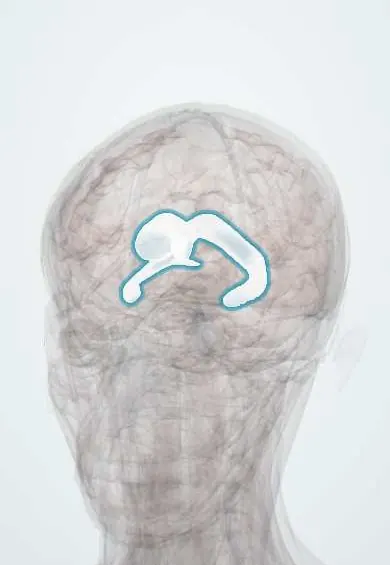
- Lateral ventricles
- Dura mater
- Choroid plexus
- Third ventricle
- Fourth ventricle
- Optic nerve
- Abducens nerve (VI)
Microorganisms that cause it
Why it happens
- Special stains in diagnosis: Congo red, Prussian blue, PAS, Ziehl–Neelsen, Gram
- CSF and the blood–brain barrier
- Cerebral blood flow, brain metabolism and intracranial pressure
- Blood–brain barrier, choroid plexus and cerebrospinal fluid
What it is
Subacute meningoencephalitis caused by encapsulated yeasts of the genus Cryptococcus, mainly C. neoformans and C. gattii. It is an AIDS-defining illness and one of the main causes of death in people with advanced HIV.
Who gets it
It accounts for a large share of HIV-related deaths worldwide, especially where diagnosis is late. In Latin America and Colombia most cases occur in people with advanced HIV; C. gattii also causes disease in apparently healthy people, and both species have been isolated from trees and pigeon droppings in Colombia.
Causes
- Cryptococcus neoformans, found worldwide in soil and bird (especially pigeon) droppings
- Cryptococcus gattii, associated with trees in tropical and subtropical areas
- Inhalation of yeast cells; no person-to-person spread
Risk factors
- Advanced HIV, especially CD4 counts below 100 cells/µL
- Organ transplant, long-term corticosteroids and other immunosuppressants
- Cirrhosis, haematological cancers, sarcoidosis
- Exposure to pigeon droppings or decaying wood
Pathophysiology
Inhaled yeasts cause a usually silent lung infection. With weak cellular immunity they spread in the blood and cross into the central nervous system. The polysaccharide capsule blocks phagocytosis and, shed in large amounts, obstructs CSF outflow through the arachnoid granulations. CSF pressure rises sharply, and this raised pressure, more than inflammation, causes much of the visual loss, cranial nerve palsies and death. Inflammation is scant in AIDS, so CSF cell counts can be nearly normal.
Classification
- HIV-associated (C. neoformans)
- Non-HIV immunosuppressed (transplant, steroids)
- Apparently immunocompetent host (often C. gattii, with cryptococcomas)
Symptoms and signs
- Headache worsening over days to weeks, often with fever
- Nausea, vomiting and malaise
- Confusion, behaviour change, reduced consciousness
- Blurred or double vision (sixth-nerve palsy), papilloedema
- Neck stiffness and photophobia, often absent or mild
- Umbilicated skin papules in disseminated disease
Diagnosis
- Clinical
- Suspected in any person with advanced HIV or immunosuppression who has a headache or altered mental state. A lumbar puncture with opening pressure measurement is the key test.
- Tests
- CSF: raised opening pressure, often few cells, low glucose and high protein. Cryptococcal antigen (CrAg) lateral flow assay in CSF or blood is rapid and highly sensitive; India ink stain shows capsulated yeasts; culture is the gold standard. Blood CrAg screening in people with low CD4 counts detects early infection.
- Imaging
- CT or MRI before lumbar puncture when there are focal signs or reduced consciousness; often normal, or shows hydrocephalus, dilated perivascular spaces or cryptococcomas.
Differential diagnosis
- Tuberculous meningitis
- Bacterial meningitis
- Cerebral toxoplasmosis and primary CNS lymphoma
- Viral encephalitis
- Neurosyphilis
Goal of treatment
Sterilise the CSF quickly with fungicidal combination therapy, control intracranial pressure, prevent relapse with long-term azoles, and restore immunity with well-timed antiretroviral therapy.
Treatment
- Acute
- Induction: amphotericin B (liposomal where available) with flucytosine, with or without fluconazole, as recommended by WHO for HIV-associated disease.
- Medical
- Consolidation and maintenance with fluconazole for months, stopped only after sustained immune recovery.
- Procedure
- Therapeutic lumbar punctures repeated to drain CSF when pressure is high or symptoms persist; a shunt if pressure stays raised. Acetazolamide, mannitol and corticosteroids are not used to lower the pressure.
- Medical
- Antiretroviral therapy delayed by about four to six weeks after starting antifungals, to lower the risk of fatal immune reconstitution syndrome.
- Follow-up
- Neurological and visual checks; fluid and electrolyte balance, kidney function and potassium on amphotericin; blood counts on flucytosine.
Drugs for this condition
Complications
- Death, high without access to rapid diagnosis and amphotericin
- Blindness and hearing loss from raised pressure and nerve damage
- Hydrocephalus
- Immune reconstitution inflammatory syndrome
- Relapse when maintenance therapy is stopped too soon
- Kidney injury, hypokalaemia and anaemia from treatment
Prognosis
Even with good treatment, a substantial share of patients die within months; prognosis is worse with altered consciousness, high fungal burden and delayed care. Survivors may keep visual or cognitive deficits.
Prevention
- Early HIV testing and antiretroviral therapy
- Blood CrAg screening of adults with low CD4 counts and pre-emptive fluconazole if positive
Test yourself
Think of the answer, then tap the question to see it.
What is the most useful rapid test for cryptococcal meningitis?
Cryptococcal antigen (CrAg), for example by lateral flow assay, in CSF or blood.
What causes much of the morbidity, and how is it managed?
Very high CSF pressure; it is relieved with repeated therapeutic lumbar punctures.
Why is antiretroviral therapy not started immediately?
Starting it too early raises the risk of fatal immune reconstitution inflammatory syndrome; it is delayed about 4–6 weeks.
Which antifungal combination is used for induction?
Amphotericin B plus flucytosine (with fluconazole in WHO's preferred HIV regimen).
Related conditions
- HIV infection and AIDS
- Bacterial meningitis
- Toxoplasmosis
- Raised intracranial pressure and brain herniation
- Hydrocephalus
- Viral encephalitis (herpes simplex encephalitis)
- Tuberculosis
- Histoplasmosis
Educational information, not medical advice. For any symptom, see a health professional.
Sources: About Cryptococcosis | Cryptococcosis | CDC (Centers for Disease Control and Prevention, 2024); Clinical Overview of Cryptococcosis | Cryptococcosis | CDC (Centers for Disease Control and Prevention, 2024); Guidelines for diagnosing, preventing and managing cryptococcal disease among adults, adolescents and children living with HIV (World Health Organization, 2022).
Spotted a mistake?We are always improving for the community. Tell us what is wrong and our team will review it.Report a mistake
Representative model, for educational purposes only.