Adult-onset Still disease !
A rare inflammatory disease of young adults with daily high fevers, a salmon-pink rash, joint pain and very high ferritin.
Updated 2026-11-01
Structures involved
Tap one to see what it is and open it in 3D.
Why it happens
- Systemic effects of inflammation: fever, acute-phase proteins, leukocytosis, sepsis
- Mediators of inflammation: the table to know
- Fever
- Iron metabolism
- Synovial joints: capsule, synovial membrane and articular cartilage
What it is
A rare systemic autoinflammatory disorder of unknown cause, the adult counterpart of systemic juvenile idiopathic arthritis. It is characterised by daily spiking fevers, an evanescent salmon-pink rash, arthritis, sore throat and very high serum ferritin; it is a diagnosis of exclusion.
Who gets it
Rare, with fewer than one new case per 100,000 people per year. It typically affects young adults, with peaks between 15 and 25 and between 36 and 46 years, and both sexes. In Colombia, infections endemic to the region (dengue, chikungunya, tuberculosis) must be excluded before the diagnosis.
Causes
- Unknown cause; dysregulated innate immunity (autoinflammation)
- Possible triggers such as viral or bacterial infections
- Genetic susceptibility suspected
Risk factors
- Young adult age
- Recent infection may precede onset
- History of systemic juvenile idiopathic arthritis in childhood (rare)
Pathophysiology
Activated macrophages and neutrophils overproduce cytokines such as interleukin-1, interleukin-6 and interleukin-18, causing fever, rash, leukocytosis and acute-phase response. Macrophage activation explains extreme hyperferritinaemia and the risk of macrophage activation syndrome, a hemophagocytic process with cytopenias and organ failure.
Classification
- Monocyclic systemic pattern: a single episode that resolves
- Polycyclic systemic pattern: recurrent flares with remissions
- Chronic articular pattern: persistent arthritis that may become destructive
Symptoms and signs
- Daily (quotidian) spiking fever of 39 °C or more, usually in the evening
- Evanescent salmon-pink macular rash on the trunk and limbs that appears with fever
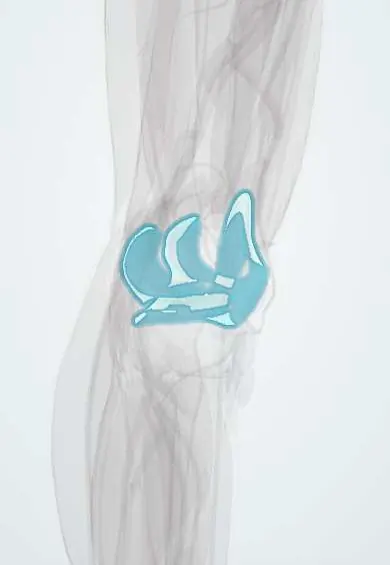
- Arthralgia or arthritis, often of the wrists, knees and ankles
- Sore throat, often before the fever
- Enlarged lymph nodes, liver and spleen
- Muscle pain and chest pain from pleuritis or pericarditis
Diagnosis
- Clinical
- A diagnosis of exclusion based on the Yamaguchi criteria (major: fever, typical rash, arthralgia, leukocytosis with neutrophilia; minor: sore throat, lymph nodes or spleen enlargement, abnormal liver tests, negative ANA and rheumatoid factor) or the Fautrel criteria, after infections, cancer and other rheumatic diseases have been excluded.
- Tests
- Neutrophilic leukocytosis; very high ESR and CRP; markedly raised ferritin with low glycosylated ferritin fraction; abnormal liver enzymes; negative ANA and rheumatoid factor; blood cultures, viral serologies (including dengue, Epstein–Barr, HIV), and tests to exclude tuberculosis and endocarditis.
- Imaging
- Chest radiograph and echocardiography for serositis; abdominal ultrasound or CT for organomegaly and to exclude lymphoma; PET-CT or lymph node biopsy when lymphoma is suspected.
Differential diagnosis
- Sepsis and infective endocarditis
- Viral infections such as infectious mononucleosis, dengue or chikungunya
- Lymphoma and leukaemia
- Systemic lupus erythematosus and vasculitis
- Reactive arthritis
- Rheumatic fever
Goal of treatment
Control fever and systemic inflammation, protect the joints, and recognise and treat macrophage activation syndrome early.
Treatment
- Medical
- Mild disease: NSAIDs, although most patients need systemic corticosteroids.
- Medical
- Steroid-dependent or refractory disease: interleukin-1 blockers (anakinra, canakinumab) or interleukin-6 blockers (tocilizumab); methotrexate for chronic arthritis.
- Acute
- Macrophage activation syndrome is an emergency: hospital admission, high-dose intravenous corticosteroids, interleukin-1 blockade or ciclosporin, and supportive intensive care.
- Follow-up
- Monitoring of fever pattern, ferritin, blood counts, liver tests and triglycerides; screening for tuberculosis and hepatitis before biologics; nursing care with fever charting and infection precautions.
Complications
- Macrophage activation syndrome
- Destructive arthritis, especially carpal ankylosis of the wrists
- Pericarditis, myocarditis and pleural effusion
- Hepatitis and rarely acute liver failure
- Disseminated intravascular coagulation
Prognosis
About a third of patients have a single episode, a third a relapsing course and a third a chronic articular form. Most do well with treatment, but macrophage activation syndrome and severe organ involvement can be fatal.
Test yourself
Think of the answer, then tap the question to see it.
What are the classic features of adult-onset Still disease?
Daily spiking fever, evanescent salmon-pink rash, arthritis or arthralgia and neutrophilic leukocytosis.
Which laboratory value is typically extremely high?
Serum ferritin.
What are ANA and rheumatoid factor usually like?
Negative.
Which life-threatening complication must be suspected if blood counts and ESR fall while ferritin rises?
Macrophage activation syndrome.
Related conditions
- Juvenile idiopathic arthritis
- Sepsis and septic shock
- Infectious mononucleosis
- Non-Hodgkin lymphoma
- Hodgkin lymphoma
- Systemic lupus erythematosus
- Rheumatoid arthritis
- Reactive arthritis
- Infective endocarditis
- Acute pericarditis
- Dengue
- Chikungunya
Educational information, not medical advice. For any symptom, see a health professional.
Sources: Adult Still disease (MedlinePlus (U.S. National Library of Medicine), 2025).
Spotted a mistake?We are always improving for the community. Tell us what is wrong and our team will review it.Report a mistake
Representative model, for educational purposes only.