
Cancer survivorship and late effects of treatment
Cancer treatment can harm the heart, lungs, glands, fertility or mind years after it ends. Knowing what each treatment risks lets doctors look for it early.
What it is
Health after a cancer diagnosis, above all the long-term effects (starting during treatment and persisting) and late effects (appearing months or years after it ends) of surgery, chemotherapy, radiotherapy and other treatments. Survivorship care plans follow-up for recurrence, new cancers, late effects and wellbeing.
Who gets it
The number of cancer survivors is growing quickly as cancers are found earlier and treated better, and many live for decades. Late effects therefore keep increasing. In childhood cancer survivors, recurrence, second cancers and heart and lung damage are the leading causes of death. Second primary cancers may account for 10–20% of cancers reported to large registries. During treatment 30–60% of patients report moderate to severe fatigue, and a third or more report substantial distress.
Causes
- Chemotherapy: anthracyclines (heart muscle), alkylating agents (gonads, bone marrow, second cancers), platinum drugs (hearing, nerves), bleomycin (lung)
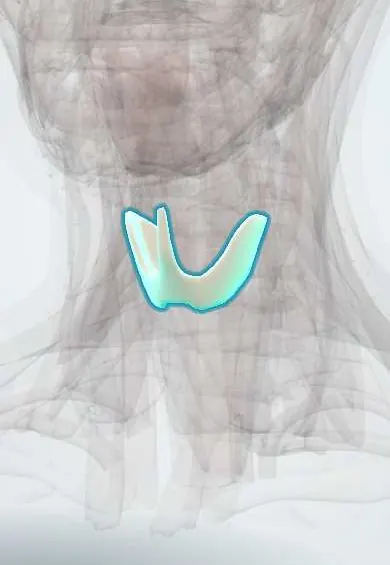
- Radiotherapy: chest (coronary disease, valve disease, lung damage, breast cancer), neck (thyroid failure and thyroid cancer), cranial (cognition, pituitary), pelvis (gonads, bowel, bladder)
- Targeted and other drugs: HER2-targeted agents and VEGF inhibitors (heart), hormone therapy (bone loss), immune checkpoint inhibitors (endocrine glands)
- Surgery: lymph node removal (lymphoedema), organ removal and its functional loss
- Haematopoietic stem cell transplantation and high-dose steroids
- The cancer experience itself: fear of recurrence, anxiety, depression, post-traumatic stress and financial strain
Risk factors
- Treatment in childhood, especially before age five for brain-directed treatment
- High cumulative doses and combined treatments (for example anthracyclines plus chest radiation)
- Older age at treatment and pre-existing heart disease, hypertension, diabetes, smoking or obesity (heart damage)
- Female sex (breast cancer after chest radiation; some cognitive and cardiac effects)
- Inherited cancer predisposition
- Smoking, alcohol and inactivity after treatment
Pathophysiology
Treatments that kill dividing cancer cells also injure normal tissue → some injuries are permanent from the start (loss of oocytes, hearing loss) and some are silent at first and progress → anthracyclines damage cardiomyocytes, which do not regenerate; the loss accumulates with dose and is unmasked years later by ageing, hypertension or pregnancy, giving cardiomyopathy and heart failure → radiation causes slowly progressive fibrosis and small-vessel injury, so coronary disease, valve disease, lung fibrosis and hypothyroidism appear years after the field was treated → DNA-damaging drugs and radiation can transform surviving normal cells: alkylating agents and topoisomerase II inhibitors cause leukaemia and myelodysplasia within about ten years, while radiation-induced solid cancers (breast, thyroid, skin, bone) appear inside the old field after a decade or more → alongside, fatigue, neuropathy, cognitive complaints and psychological distress can persist after treatment ends.
Classification
- Long-term effects: begin during treatment and persist (fatigue, peripheral neuropathy, cognitive impairment, infertility, lymphoedema)
- Late effects: appear months to years after treatment (cardiomyopathy, coronary and valve disease, lung fibrosis, endocrine failure, cataracts, second cancers)
- By organ: cardiovascular, pulmonary, endocrine and reproductive, neurocognitive, musculoskeletal, sensory, psychosocial
- Second primary cancer versus recurrence: a new cancer of a different type is not a relapse of the first
Symptoms and signs
- Shortness of breath, swelling or reduced exercise tolerance (cardiomyopathy, lung damage)
- Persistent tiredness not relieved by rest
- Memory or concentration problems
- Numbness or tingling of hands and feet; hearing loss or tinnitus
- Absent periods, early menopause, infertility or sexual difficulties
- Weight change, cold intolerance or fatigue from thyroid failure
- Limb swelling after lymph node surgery
- Anxiety, low mood, intrusive memories or constant worry about the cancer returning
Diagnosis
- Clinical
- Start from the treatment summary: diagnosis, every drug with cumulative doses, radiation fields and doses, surgery, transplant and complications. Map each exposure to its late effects and examine those organs. Ask about fatigue, mood, fear of recurrence, cognition, sexual health, work and finances. Keep in mind that a new symptom is not necessarily recurrence.
- Tests
- Chosen by exposure: echocardiography with strain imaging and cardiac biomarkers after cardiotoxic treatment; ECG; lipids and glucose; thyroid function after neck or cranial radiation; sex hormones and fertility assessment after gonadotoxic treatment; full blood count after leukaemogenic drugs; pulmonary function tests after bleomycin or chest radiation; audiology after platinum drugs; eye examination after steroids or cranial radiation.
- Imaging
- Early breast screening with mammography and MRI for women who had chest radiation when young; bone densitometry after hormone therapy, steroids or premature menopause; cardiac imaging as above; colonoscopy at a younger age after abdominal or pelvic radiation.
Differential diagnosis
- Recurrence of the original cancer
- A new, unrelated cancer (second primary)
- Ordinary age-related disease that would have occurred anyway
- Depression, anxiety or post-traumatic stress presenting as fatigue or physical symptoms
Read the treatment, predict the late effect
| Treatment | Main late effect | When it appears | What to check |
|---|---|---|---|
| Anthracyclines | Cardiomyopathy and heart failure (dose-related) | Years to decades after | Echocardiography; control blood pressure and other risk factors |
| Chest or mediastinal radiation | Coronary and valve disease, lung fibrosis, breast cancer | A decade or more after | Cardiac review, lung function, early breast MRI and mammography |
| Alkylating agents and topoisomerase II inhibitors | Infertility, early menopause; therapy-related leukaemia and myelodysplasia | Fertility loss early; leukaemia within about ten years | Hormones, fertility counselling; blood count |
| Neck or cranial radiation | Hypothyroidism, thyroid cancer, pituitary failure, cognitive problems | Years after | Thyroid function and examination, pituitary hormones, neurocognitive assessment |
Goal of treatment
Find and treat late effects early, prevent avoidable ones by controlling risk factors and healthy living, detect recurrence and second cancers, and support the survivor's psychological, sexual, social and financial recovery.
Treatment
- Follow-up
- A survivorship care plan given at the end of treatment: a treatment summary (diagnosis, drugs, radiation, surgery, complications) and a schedule of follow-up visits and tests matched to the late effects of that treatment, shared between the oncology team and primary care.
- Medical
- Treat late effects as the diseases they are: heart-failure therapy and cardiovascular risk control for cardiomyopathy, thyroid or other hormone replacement, bone protection, hearing aids, management of lymphoedema.
- Lifestyle
- Regular physical activity (the most effective measure for cancer-related fatigue), a healthy diet and weight, not smoking, limited alcohol and sun protection, which also lower heart disease and second-cancer risk.
- Conservative
- Psychological support for anxiety, depression, post-traumatic stress and fear of recurrence, including cognitive-behavioural approaches; fertility and sexual-health counselling; social work help with work and finances.
- Procedure
- Fertility preservation before gonadotoxic treatment (sperm, oocyte, embryo or ovarian tissue freezing), which is offered at diagnosis because it cannot be done afterwards.
Complications
- Heart failure and premature coronary disease
- Second primary cancers, including therapy-related leukaemia
- Infertility and premature menopause with bone loss
- Endocrine failure (thyroid, pituitary, gonads)
- Chronic fatigue, cognitive impairment and peripheral neuropathy
- Depression, anxiety, post-traumatic stress and financial hardship
Common traps
- Cured means discharged: late effects such as cardiomyopathy and radiation-induced cancers can appear decades later, so childhood cancer survivors need lifelong, risk-based follow-up
- A new cancer in a survivor is a relapse: a second primary cancer is a different disease, often caused by the earlier treatment, and is staged and treated on its own
- A normal echocardiogram at the end of anthracycline treatment means the heart is safe: the injury can be silent and unmasked years later by hypertension, ageing or pregnancy
- Rest is the treatment for cancer-related fatigue: regular exercise, with psychological support, improves it more than rest or any drug
- Fertility can be dealt with after treatment: sperm, egg and embryo freezing must be offered before gonadotoxic treatment starts
Prognosis
Most survivors live well, but cumulative late effects mean childhood cancer survivors have more chronic illness and earlier death than their peers, mainly from recurrence, second cancers and heart and lung disease. Risk-based screening and control of cardiovascular risk factors improve the outlook, and many effects (hypothyroidism, lymphoedema, fatigue) are very treatable once recognised.
Prevention
- Choosing and dosing treatments to limit toxicity, and cardioprotective strategies in high-risk anthracycline use
- Fertility preservation offered before treatment
- A written treatment summary and survivorship care plan for every patient
- Not smoking, physical activity, healthy weight and sun protection after treatment
- Risk-based screening for the organs each treatment can damage
Test yourself
Think of the answer, then tap the question to see it.
Which late effect should be screened for in a woman who received mediastinal radiation for Hodgkin lymphoma at 16?
Breast cancer, with early screening by MRI and mammography, plus coronary and valve disease, lung damage and thyroid problems.
Why can anthracycline cardiomyopathy appear years after treatment ended?
Lost cardiomyocytes do not regenerate; the reduced reserve is silent until extra load such as hypertension, ageing or pregnancy unmasks it.
Which drug classes are linked to therapy-related leukaemia and myelodysplasia, and when do they usually appear?
Alkylating agents and topoisomerase II inhibitors; they usually appear within about ten years of treatment.
What two parts make up a survivorship care plan?
A treatment summary (diagnosis, drugs, radiation, surgery, complications) and a follow-up plan of visits, tests and late effects to watch for.
What is the most effective intervention for persistent cancer-related fatigue?
Physical activity, often combined with psychological interventions; drugs have a limited role.
Connections
Educational information, not medical advice. For any symptom, see a health professional.
Sources: Late Effects of Cancer Treatment (National Cancer Institute, NIH, 2026); Late Effects of Treatment for Childhood Cancer (PDQ), patient version (National Cancer Institute, NIH, 2026); Follow-Up Medical Care (National Cancer Institute, NIH, 2026); Mitigating long-term and delayed adverse events associated with cancer treatment: implications for survivorship (Lustberg et al., Nature Reviews Clinical Oncology) (Europe PMC, 2023).
Spotted a mistake?We are always improving for the community. Tell us what is wrong and our team will review it.Report a mistake
Representative model, for educational purposes only.