Tension-type headache !
Tension-type headache is the most common headache: a mild to moderate pressing or tight band of pain on both sides of the head.
Updated 2026-10-29
Structures involved
Tap one to see what it is and open it in 3D.
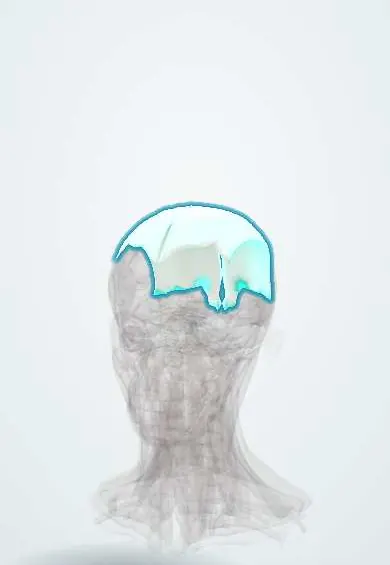
- Galea
- Frontalis
- Temporalis
- Suboccipital muscles
- Occipitalis
- Upper trapezius
- Splenius
- Sternocleidomastoid
- Masseter
In physiology
Why it happens
What it is
A primary headache with bilateral pressing or tightening pain of mild to moderate intensity, not worsened by routine activity and usually without nausea. It is the most common headache in the general population.
Who gets it
Very common worldwide at all ages, slightly more frequent in women. Most people have only occasional episodes and never consult; the chronic form is less common but disabling.
Causes
- Primary headache: no underlying structural disease
- Increased sensitivity of pain pathways in the head and neck (peripheral and central)
- Common triggers: stress, poor sleep, missed meals, sustained postures
Risk factors
- Psychological stress, anxiety and depression
- Sleep disturbance
- Prolonged awkward postures (computer or phone use)
- Overuse of acute pain medication (chronic form)
- Female sex
Pathophysiology
Pericranial muscles are often tender, but their role is debated. Infrequent episodes are thought to depend mainly on peripheral pain mechanisms, while chronic forms involve central sensitisation of pain pathways in the brainstem and spinal trigeminal nucleus.
Classification
- Infrequent episodic (fewer than one day a month on average)
- Frequent episodic (1–14 days a month)
- Chronic (15 or more days a month for more than 3 months)
- With or without pericranial tenderness
Symptoms and signs
- Bilateral pressing or band-like pain
- Mild to moderate intensity
- Not aggravated by walking or climbing stairs
- No nausea or vomiting; at most one of photophobia or phonophobia
- Episodes lasting from 30 minutes to several days
- Tender scalp, neck and shoulder muscles
Diagnosis
- Clinical
- Clinical diagnosis based on International Classification of Headache Disorders criteria, a normal neurological examination and absence of red flags. A headache diary helps define frequency and medication use.
- Tests
- No routine tests. Blood tests such as inflammatory markers only when another cause is suspected.
- Imaging
- Not needed when the history is typical and the examination normal. CT or MRI of the brain when red flags are present.
Differential diagnosis
- Migraine without aura
- Medication-overuse headache
- Cervicogenic headache
- Temporomandibular disorder
- Secondary headache (raised intracranial pressure, giant cell arteritis, sinus disease)
Goal of treatment
Relieve episodes, reduce headache frequency, avoid medication overuse and address triggers.
Treatment
- Medical
- Acute episodes: simple analgesics (paracetamol class) or NSAIDs, on a limited number of days each month to avoid medication-overuse headache.
- Medical
- Frequent or chronic forms: preventive treatment, with tricyclic antidepressants as the class most often used.
- Conservative
- Psychological approaches such as cognitive behavioural therapy, relaxation and biofeedback.
- Rehabilitation
- Physiotherapy for posture and neck mobility; acupuncture is offered in some guidelines.
- Lifestyle
- Regular sleep, meals and exercise; stress management.
Complications
- Medication-overuse headache
- Chronic daily headache
- Reduced work or school performance
- Coexisting anxiety and depression
Prognosis
Episodic tension-type headache is benign. The chronic form can persist for years but often improves with prevention and management of medication overuse and comorbid mood disorders.
Prevention
- Regular sleep and meals
- Physical activity
- Stress management
- Limiting acute pain medication days
Test yourself
Think of the answer, then tap the question to see it.
Which features distinguish tension-type headache from migraine?
Bilateral pressing pain of mild to moderate intensity, not worsened by activity, without nausea and with at most photophobia or phonophobia.
How is chronic tension-type headache defined?
Headache on 15 or more days a month for more than 3 months, meeting tension-type features.
Which complication follows frequent use of acute pain relievers?
Medication-overuse headache.
Which drug class is most often used to prevent chronic tension-type headache?
Tricyclic antidepressants.
Is imaging needed for a typical tension-type headache with a normal examination?
No; imaging is reserved for red flags or atypical features.
Related conditions
Educational information, not medical advice. For any symptom, see a health professional.
Sources: Muscle Contraction Tension Headache (StatPearls (NCBI Bookshelf), 2024).
Spotted a mistake?We are always improving for the community. Tell us what is wrong and our team will review it.Report a mistake
Representative model, for educational purposes only.