Conditions · Systemic conditions
Arterial hypertension !
High blood pressure (hypertension) is arterial pressure that stays raised; often silent, it is the main preventable risk factor for stroke and heart attack.
Updated 2026-10-30
Structures involved
Tap one to see what it is and open it in 3D.
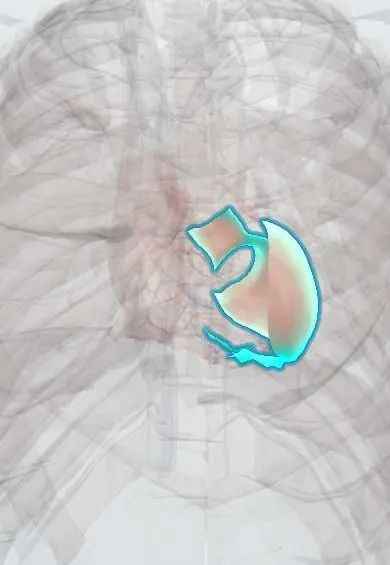
- Left ventricle
- Kidneys
- Middle cerebral artery
- Retina
- Thoracic aorta
- Abdominal aorta
- Right renal artery
- Left renal artery
- Right adrenal gland
- Left adrenal gland
In biochemistry
- Creatinine and estimated glomerular filtration rate (eGFR)
- Balanced diet
- Nitric oxide synthase (NOS)
- Nitric oxide (NO)
- IP₃, DAG and calcium pathway
- 11β-Hydroxylase (CYP11B1)
- Aldosterone
- Norepinephrine (noradrenaline)
- Angiotensin-converting enzyme (ACE)
In embryology
In the clinical exam
- Hypertensive emergency: target-organ signs
- Blood pressure measurement
- Fundoscopy: the optic disc, papilledema and retinopathy
- Past medical, surgical, family and social history
In physiology
- The ventricular pressure–volume loop
- Systolic, diastolic, mean and pulse pressure
- The baroreceptor reflex
- The renin–angiotensin–aldosterone system
- Preload, afterload and contractility
- Flow, pressure and resistance: Poiseuille and turbulent flow
- Vascular compliance and capacitance
- Nervous control of the circulation and the CNS ischemic response
- Long-term blood pressure control by the kidney
- Physiology of hypertension
- Actions of cortisol
- Aldosterone: actions and control
- The adrenal medulla and catecholamines
- Physiology of the vital signs (including blood pressure measurement)
- Smooth muscle contraction
- Adrenergic and cholinergic receptors
- Sympathetic and parasympathetic effects on each organ
- Sodium and extracellular volume regulation (with natriuretic peptides)
- Where and how diuretics act
- Renal blood flow, autoregulation and tubuloglomerular feedback
- Physiology of acute and chronic kidney failure
Why it happens
- Multifactorial (complex) disorders
- Diet, cancer and systemic disease
- Hypertrophy: physiologic and pathologic
- Obesity: leptin, adipokines and its consequences
- Blood vessels: artery, vein and capillary layers
What it is
Persistently raised blood pressure in the arteries. It is usually silent for years but is the main modifiable risk factor for stroke, heart attack, heart failure and chronic kidney disease.
Who gets it
Very common in adults worldwide and in Colombia, and more frequent with age. In Peru's national health survey, age-standardised prevalence was 20.6% in 2018; only 43.5% of people with hypertension knew they had it and 5.3% were controlled. Many people are undiagnosed or uncontrolled, which makes screening a public health priority.
Causes
- Primary (essential) hypertension: no single cause, the large majority of cases
- Kidney disease: chronic kidney disease or renal artery stenosis
- Endocrine causes: primary aldosteronism, pheochromocytoma, Cushing syndrome, thyroid disease
- Obstructive sleep apnoea
- Drugs and substances: NSAIDs, glucocorticoids, decongestants, oral contraceptives, alcohol, stimulants
- Coarctation of the aorta, mainly in young people
Risk factors
- Older age and family history
- Excess weight and physical inactivity
- High salt and low potassium intake
- Excess alcohol and smoking
- Diabetes and chronic kidney disease
- Psychosocial stress
Pathophysiology
Blood pressure depends on cardiac output and peripheral vascular resistance. In essential hypertension, overactivity of the renin–angiotensin–aldosterone and sympathetic systems, sodium retention by the kidney and stiffening of arteries raise resistance. Sustained pressure thickens the left ventricle and damages small arteries in the brain, retina and kidney.
Classification
- Thresholds and categories vary between guidelines (some use 130/80 mmHg, others 140/90 mmHg in the office)
- Primary (essential) vs secondary hypertension
- White-coat hypertension and masked hypertension (office and out-of-office readings disagree)
- Resistant hypertension: uncontrolled despite three drugs of different classes including a diuretic
- Hypertensive emergency (with acute organ damage) vs hypertensive urgency (very high pressure without acute damage)
Symptoms and signs
- Usually no symptoms (the «silent killer»)
- Headache, usually only with very high pressures
- Symptoms of target-organ damage: shortness of breath on effort, chest pain, visual changes, swelling of the legs
Diagnosis
- Clinical
- Correct measurement: seated and rested, back supported, arm at heart level, cuff of the right size, no talking, two or more readings on two or more visits, both arms at the first visit. Home or ambulatory monitoring confirms the diagnosis and detects white-coat and masked hypertension. Fundoscopy and examination for target-organ damage.
- Tests
- Creatinine with eGFR, electrolytes, urine albumin, glucose or HbA1c, lipids and a 12-lead ECG (left ventricular hypertrophy). Targeted tests for secondary causes, such as aldosterone-to-renin ratio, when suspected.
- Imaging
- Echocardiography for left ventricular hypertrophy and function when indicated; renal ultrasound or vascular imaging (Doppler, CT or MR angiography) if a secondary cause such as renal artery stenosis is suspected.
Differential diagnosis
- White-coat hypertension
- Secondary hypertension (renal, endocrine, sleep apnoea, drugs)
- Raised pressure from pain, anxiety or acute illness
- Measurement error (cuff too small, poor technique)
- Pre-eclampsia in pregnancy
Goal of treatment
Lower blood pressure to a target agreed for each person, usually below the guideline threshold, to reduce stroke, heart attack, heart failure, kidney disease and death; treat overall cardiovascular risk, not only the number.
Treatment
- Lifestyle
- Less salt, more fruit and vegetables (DASH-type diet), weight loss, regular aerobic exercise, limiting alcohol and stopping smoking.
- Medical
- First-line drug classes: ACE inhibitors or angiotensin receptor blockers, calcium channel blockers and thiazide or thiazide-like diuretics, often combined. Beta-blockers and mineralocorticoid receptor antagonists are used for specific indications or resistant hypertension.
- Acute
- A hypertensive emergency is treated in hospital with controlled lowering of pressure using intravenous drugs, avoiding a too-rapid fall.
- Follow-up
- Home blood pressure readings, follow-up of adherence, kidney function and electrolytes, and periodic screening for target-organ damage.
Drugs for this condition
- Enalapril
- Losartan
- Propranolol
- Metoprolol
- Amlodipine
- Atenolol
- Bisoprolol
- Captopril
- Carvedilol
- Diltiazem
- Labetalol
- Lisinopril
- Nifedipine
- Valsartan
- Verapamil
- Candesartan
- Nicardipine
- Ramipril
- Telmisartan
- Irbesartan
- Nebivolol
- Perindopril
- Methyldopa
- Clonidine
- Hydralazine
- Sodium nitroprusside
- Prazosin
- Minoxidil
- Doxazosin
- Terazosin
- Furosemide
- Hydrochlorothiazide
- Spironolactone
- Chlortalidone
- Torasemide
- Amiloride
- Eplerenone
- Indapamide
- Metolazone
- Chlorothiazide
Complications
- Stroke (ischaemic and haemorrhagic) and vascular dementia
- Coronary artery disease and myocardial infarction
- Left ventricular hypertrophy, heart failure and atrial fibrillation
- Hypertensive nephropathy and chronic kidney disease
- Hypertensive retinopathy
- Aortic aneurysm and aortic dissection; peripheral artery disease
Prognosis
Treatment is effective: lowering blood pressure markedly reduces stroke, heart failure and coronary events. Untreated or poorly controlled hypertension shortens life expectancy, and control usually requires lifelong treatment and follow-up.
Prevention
- Regular blood pressure measurement in adults
- Low-salt diet, healthy weight, physical activity and moderate alcohol
- Population measures such as reducing salt in processed food
Test yourself
Think of the answer, then tap the question to see it.
Why is arterial hypertension called the «silent killer»?
It usually causes no symptoms for years while it damages the heart, brain, kidneys, retina and arteries.
Which four target organs are damaged by hypertension?
Heart (left ventricular hypertrophy, heart failure, coronary disease), brain (stroke), kidneys (chronic kidney disease) and retina (hypertensive retinopathy); also the large arteries.
What are the main first-line drug classes for hypertension?
ACE inhibitors or ARBs, calcium channel blockers and thiazide or thiazide-like diuretics.
What is the difference between a hypertensive emergency and urgency?
Both have very high pressure, but an emergency has acute target-organ damage (stroke, heart failure, dissection, kidney injury) and needs immediate controlled lowering.
Which common measurement errors falsely raise blood pressure?
A cuff too small for the arm, and measuring without rest, with the arm unsupported, legs crossed or while talking.
Related conditions
- Type 2 diabetes mellitus
- Myocardial Infarction (Heart Attack)
- Preeclampsia
- Placental abruption
- Chronic kidney disease
- Autosomal dominant polycystic kidney disease
- Cushing syndrome
- Phaeochromocytoma
Educational information, not medical advice. For any symptom, see a health professional.
Sources: Essential Hypertension (StatPearls (NCBI Bookshelf), 2023); Short-term trends in the prevalence, awareness, treatment, and control of arterial hypertension in Peru (Journal of human hypertension, 2021) · adapted, CC BY 4.0.
Spotted a mistake?We are always improving for the community. Tell us what is wrong and our team will review it.Report a mistake
Representative model, for educational purposes only.