
Genital trauma: penile fracture, testicular rupture and degloving injuries
A bent erect penis or a hard blow to the scrotum can tear the tough coat around the erectile tissue or testis. Early surgery saves erections and the testis.
What it is
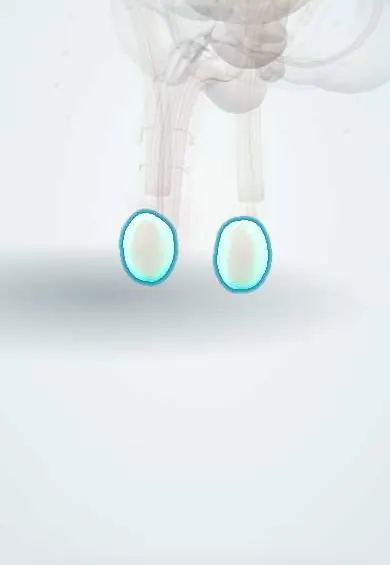
Injury to the external genitalia. The key male injuries are penile fracture (a tear of the tunica albuginea of a corpus cavernosum in the erect penis), testicular rupture (a tear of the testis tunica albuginea with extrusion of tubules) and degloving (avulsion of penile or scrotal skin). In women and girls, straddle injuries and vaginal lacerations also raise the question of sexual violence.
Who gets it
Genital injuries are a small part of all trauma because the genitals are mobile and protected by the thighs. Penile fracture is uncommon and usually happens during vigorous intercourse; in some regions it follows forced bending to end an erection. Testicular injuries mostly affect young men and boys through sports, kicks, assaults and motorcycle crashes. Degloving follows entanglement in machinery or clothing caught in rotating parts. In settings with high interpersonal violence, such as many Colombian cities, penetrating genital wounds arrive together with other injuries.
Causes
- Penile fracture: forceful bending of the erect penis during intercourse (often when the penis slips out and strikes the perineum or pubis), masturbation or rolling over in bed
- Testicular rupture: blunt blow pressing the testis against the pubic bone (kicks, balls, assaults, straddle falls, motorcycle fuel tank)
- Degloving: skin caught in machinery, belts or rotating shafts, and animal bites
- Penetrating injuries: gunshot and stab wounds, self-inflicted wounds
- Constriction: rings or other objects placed around the penis; zip entrapment of foreskin
- In girls and women: straddle falls, intercourse, sexual assault and obstetric injury
Risk factors
- Young adult men; sexually active age groups
- Contact sports without a protective cup
- Motorcycle riding
- Work with agricultural or industrial machinery
- Interpersonal violence and sexual assault
Pathophysiology
Penile fracture: during erection the tunica albuginea thins and stretches tight → a sudden bend raises pressure inside the corpus cavernosum beyond what the thin coat can hold → it tears transversely, usually on the ventral or lateral side → blood escapes, the erection collapses at once and a haematoma spreads under the skin → if the spongiosum is also torn, the urethra is injured. If Buck fascia holds, the bruise stays on the shaft (eggplant deformity); if it tears, blood tracks into the scrotum and perineum (butterfly bruise). Testicular rupture: the testis is crushed against the pubis → its tunica albuginea splits → seminiferous tubules extrude and bleeding fills the tunica vaginalis (haematocele) → rising pressure and bleeding cause ischaemia and necrosis, and the blood–testis barrier is breached. Degloving: shearing force strips loose genital skin along the plane above Buck fascia, while the deeper structures and the testes, protected by their mobility, are usually spared.
Classification
- Mechanism: blunt, penetrating, avulsion or degloving, bites, burns, constriction
- Penile fracture: with or without urethral injury; unilateral or bilateral corporal tear
- Scrotal injury: contusion and haematoma, haematocele, testicular rupture, traumatic dislocation of the testis, trauma-associated torsion
- Degloving: partial or complete, penile, scrotal or both
Symptoms and signs
- Penile fracture: a cracking or popping sound, immediate loss of erection, sharp pain, rapid swelling and purple bruising of the shaft
- Penile fracture: the penis bends away from the side of the tear; sometimes a palpable defect in the shaft
- Blood at the urethral meatus, haematuria or difficulty voiding when the urethra is also torn
- Testicular injury: severe scrotal pain, nausea, swelling and bruising; the testis may be hard to feel through the haematoma
- Degloving: exposed shaft or testes with skin loss, bleeding and contamination
Diagnosis
- Clinical
- Penile fracture is usually a clinical diagnosis from the story of a pop, sudden detumescence and a bruised, swollen, bent shaft. For scrotal trauma, examine both testes and the inguinal canals; pain and haematoma often prevent reliable examination, so image early. Look for associated urethral, perineal, pelvic and rectal injuries and, in any patient, consider assault.
- Tests
- Urinalysis for blood; if urethral injury is suspected, avoid blind catheter insertion until the urethra is assessed. Haemoglobin with large haematomas. Tetanus status for open wounds and bites. Forensic sampling and sexually transmitted infection testing after assault, following local protocol.
- Imaging
- Scrotal ultrasound with Doppler: a disrupted tunica albuginea, a heterogeneous testis or loss of its contour suggests rupture; a haematocele and the blood flow to each testis are also shown. Penile ultrasound or MRI locates a corporal tear when the diagnosis is unclear. Retrograde urethrography or cystoscopy evaluates the urethra when there is blood at the meatus, haematuria or voiding difficulty.
Differential diagnosis
- Rupture of the dorsal penile vein or other superficial vessel (bruising without loss of erection or a pop)
- Rupture of the suspensory ligament of the penis
- Urethral injury
- Testicular torsion triggered or masked by trauma
- Epididymitis or orchitis, sometimes noticed after minor trauma
- Testicular tumour discovered after trauma, which may bleed into itself
- Strangulated inguinal hernia
Swollen, bruised penis or scrotum after injury: which one?
| Injury | Story and signs | Key test | Management |
|---|---|---|---|
| Penile fracture | Pop, immediate loss of erection, eggplant bruising, penis bends away from the tear | Clinical; ultrasound or MRI if unclear | Early surgical repair of the tunica albuginea |
| Dorsal penile vein rupture | Bruising and swelling, often no pop and no sudden loss of erection | Ultrasound or MRI shows an intact tunica albuginea | Conservative, or ligation of the vein |
| Testicular rupture | Blow to the scrotum, severe pain, tense haematoma, testis hard to define | Ultrasound: disrupted tunica albuginea, heterogeneous testis, haematocele | Early scrotal exploration and repair |
| Trauma-associated testicular torsion | Pain out of proportion to the injury, high-riding testis, absent cremasteric reflex | Doppler ultrasound: absent or reduced flow, twisted cord | Emergency detorsion and fixation of both testes |
| Urethral injury | Blood at the meatus, haematuria, difficulty voiding, perineal bruising | Retrograde urethrography or cystoscopy | Urinary diversion, repair by a urologist; no blind catheter |
Goal of treatment
Rule out urethral and associated injuries, repair torn tunica albuginea early to preserve erectile function and the testis, cover exposed tissue and prevent infection, and address assault or abuse when present.
Treatment
- Acute
- Initial care: analgesia, cold packs and elevation for contusions, haemorrhage control, tetanus prophylaxis and antibiotics for open wounds and bites. When urethral injury is suspected, urethral imaging before any catheter; a suprapubic catheter if drainage is needed.
- Surgical
- Penile fracture: early surgical exploration, evacuation of the haematoma and closure of the tear in the tunica albuginea, with repair of any urethral injury. Early repair lowers the risk of curvature, painful erections and erectile dysfunction compared with conservative care.
- Surgical
- Suspected testicular rupture or a large haematocele: early scrotal exploration, removal of extruded tubules and closure of the tunica albuginea; orchiectomy only for a testis that cannot be saved. Salvage is much better when surgery is not delayed.
- Surgical
- Degloving: debridement of non-viable tissue keeping all viable skin; scrotal skin stretches and often closes primary; penile skin loss is covered with skin grafts; exposed testes may be placed temporarily in thigh pockets.
- Conservative
- Minor scrotal contusion with an intact testis on ultrasound: rest, scrotal support, cold packs and analgesia with follow-up.
- Follow-up
- Follow-up for erectile function, penile curvature, urethral stricture, testicular size and fertility; refer survivors of sexual violence to integrated care and report child injuries according to the law.
Complications
- Erectile dysfunction, penile curvature and painful erections
- Urethral stricture or urethrocutaneous fistula
- Testicular atrophy or loss and reduced fertility
- Infection, including necrotising fasciitis of the perineum
- Chronic scrotal pain
- Skin graft contracture after degloving
- Psychological and sexual consequences
Common traps
- A penile fracture can be managed with ice and rest: the tear in the tunica albuginea should be repaired early; conservative care leaves more curvature and erectile dysfunction
- Bruising of the penis after intercourse always means a fracture: a dorsal vein rupture bruises without the pop and sudden loss of erection, and the tunica is intact on imaging
- Pass a catheter to check for urethral injury: blood at the meatus calls for urethral imaging first; a blind catheter can convert a partial tear into a complete one
- Scrotal pain after a minor knock is just a bruise: trauma can trigger torsion or reveal a tumour; image with Doppler when pain is severe or the testis cannot be felt
- A genital injury in a child is an accident until proven otherwise: the mechanism must fit the injury; inconsistency calls for evaluation for abuse
Prognosis
With early repair, most men keep erectile function after penile fracture, and most ruptured testes can be saved. Delayed or conservative management increases curvature, erectile dysfunction and orchiectomy rates. Degloving injuries reconstruct well when the deeper structures are intact, though grafted skin may feel and look different.
Prevention
- Protective cups in contact sports
- Machine guards and no loose clothing near rotating parts
- Motorcycle safety measures
- Awareness that a pop with sudden loss of erection needs urgent assessment
- Violence prevention and protection of children
Test yourself
Think of the answer, then tap the question to see it.
During intercourse a man hears a crack, loses his erection at once and the shaft swells and turns purple, bending to the left. Diagnosis and treatment?
Penile fracture with a tear of the right corpus cavernosum's tunica albuginea (the penis bends away from the tear). Early surgical exploration and repair, assessing the urethra.
Why does a penile fracture bruise stay on the shaft in some men but spread to the scrotum and perineum in others?
If Buck fascia remains intact, blood is confined to the shaft (eggplant deformity); if Buck fascia tears, blood tracks along Colles fascia into the scrotum and perineum (butterfly bruise).
A footballer is kicked in the scrotum. Ultrasound shows a heterogeneous testis with a break in the tunica albuginea and a haematocele. What next?
Testicular rupture: early scrotal exploration, removal of extruded tubules and closure of the tunica. Delaying surgery lowers the chance of saving the testis.
Why are the testes usually spared in a scrotal degloving injury?
The skin is stripped along the loose layer above the deeper fascia, while the testes are mobile inside the tunica vaginalis and slip away from the shearing force.
Connections
Educational information, not medical advice. For any symptom, see a health professional.
Sources: Penile Fracture (StatPearls (NCBI Bookshelf), 2024); Lower Genitourinary Trauma (StatPearls (NCBI Bookshelf), 2023); Degloving Injuries (StatPearls (NCBI Bookshelf), 2026); Urotrauma Guideline - American Urological Association (American Urological Association, 2020); Acute Scrotum Pain (StatPearls (NCBI Bookshelf), 2023).
Spotted a mistake?We are always improving for the community. Tell us what is wrong and our team will review it.Report a mistake
Representative model, for educational purposes only.