Conditions · Infectious and tropical diseases
Trichinellosis !
A roundworm caught by eating raw or undercooked pork or game; it causes diarrhea, then fever, swollen eyelids and painful muscles.
Updated 2026-11-01
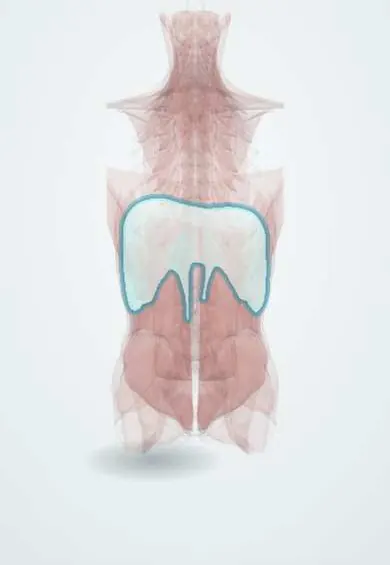
Structures involved
Tap one to see what it is and open it in 3D.
- Diaphragm
- Masseter
- Gastrocnemius (inner head)
- External intercostals
- Internal intercostals
- Tongue
- Lateral rectus
- Temporalis
- Eyelids
- Gastrocnemius (outer head)
- Soleus
Microorganisms that cause it
Why it happens
- Pathologic calcification: dystrophic vs metastatic
- White blood cells: types and functions
- Skeletal muscle: sarcomere and contraction
What it is
Infection by nematodes of the genus Trichinella, usually T. spiralis, acquired by eating meat that contains larvae encysted in muscle. Adult worms live briefly in the small bowel and release larvae that travel in the blood and settle in skeletal muscle, causing fever, myositis, periorbital edema and eosinophilia.
Who gets it
It occurs worldwide wherever raw or undercooked pork or wild game is eaten. Outbreaks in Latin America are mostly reported from Argentina, Chile and Mexico, linked to home-slaughtered pigs, wild boar and homemade sausages. It is rare in Colombia and in countries with controlled pig farming. Cases usually come in clusters among people who shared the same meat.
Causes
- Trichinella spiralis (domestic pigs, wild boar, rodents) and other species in wild carnivores such as bears and walruses
- Eating raw or undercooked pork, wild boar or game, including homemade sausage and jerky
- Not spread from person to person
Risk factors
- Eating meat from pigs raised at home or slaughtered without veterinary inspection
- Hunting and eating wild game
- Tasting raw meat while preparing it
- Smoked, dried or cured meat products, which do not reliably kill larvae
Pathophysiology
Stomach acid releases larvae from the cysts; in the small bowel they invade the mucosa and mature into adults within days (enteral phase). Females release new larvae for several weeks; these enter lymphatics and blood and spread through the body (parenteral phase). They can only develop in striated muscle, where each larva turns its muscle cell into a 'nurse cell' and becomes encapsulated, often calcifying over months. The most active muscles with rich blood supply, such as the diaphragm, masseter, tongue, extraocular, intercostal and calf muscles, are most affected. The inflammatory and allergic response to migrating larvae causes vasculitis, edema and the marked eosinophilia.
Classification
- Enteral (intestinal) phase: first week, gastrointestinal symptoms
- Parenteral (muscle invasion) phase: from the second week, fever, myositis, periorbital edema
- Convalescent phase: larvae encapsulated, symptoms fade over weeks to months
- By severity: asymptomatic, mild, moderate, severe (cardiac, neurological or respiratory involvement), roughly in proportion to the number of larvae eaten
Symptoms and signs
- Diarrhea, abdominal pain, nausea and vomiting in the first week
- High fever from the second week
- Swelling of the eyelids and face (periorbital edema), conjunctival and splinter hemorrhages
- Intense muscle pain and tenderness, especially on chewing, swallowing, breathing and moving large muscles; weakness
- Itchy rash, headache and cough
Diagnosis
- Clinical
- Suspected when fever, myalgia and periorbital edema follow a shared meal of pork or game, especially in a cluster. The triad of eosinophilia, myositis and periorbital edema is classic.
- Tests
- Complete blood count with marked eosinophilia; raised muscle enzymes (creatine kinase, LDH). Serology for Trichinella antibodies, which usually turns positive only from about the third week and may need to be repeated. Muscle biopsy (often deltoid) showing encapsulated larvae when doubt remains. ECG and troponin when cardiac symptoms appear. Examination of leftover meat helps confirm an outbreak.
- Imaging
- Not routinely needed; brain imaging if neurological signs appear. Old calcified cysts may be seen in muscle on radiographs.
Differential diagnosis
- Influenza and other viral illnesses with fever and myalgia
- Dermatomyositis and polymyositis
- Toxocariasis, strongyloidiasis and other causes of eosinophilia
- Angioedema or nephrotic syndrome (facial edema)
- Leptospirosis or dengue in tropical settings
Goal of treatment
Kill the adult worms early to limit new larvae, control the inflammatory response in moderate and severe cases, and detect cardiac and neurological complications.
Treatment
- Medical
- Benzimidazole anthelmintics (albendazole or mebendazole), most effective when started early in the intestinal phase; they act less on larvae already encapsulated in muscle.
- Medical
- Systemic corticosteroids for moderate or severe disease (marked myositis, myocarditis, central nervous system involvement), always given together with the anthelmintic.
- Conservative
- Rest, analgesics and antipyretics for muscle pain and fever; gradual return to activity.
- Follow-up
- Monitoring of heart rhythm, respiratory effort and neurological status in severe cases; tracing and checking everyone who ate the same meat, and notifying public health authorities.
Complications
- Myocarditis with arrhythmias and heart failure (main cause of death)
- Encephalitis, meningitis and cerebral vasculitis
- Pneumonitis and respiratory failure from diaphragm involvement
- Thromboembolic events
- Chronic muscle pain and fatigue
Prognosis
Most light and moderate infections resolve over weeks to a few months. Severe infections with cardiac or neurological involvement can be fatal; muscle pain and fatigue may persist for months in some survivors.
Prevention
- Cooking pork and game thoroughly, checked with a food thermometer
- Veterinary inspection of slaughtered pigs and keeping pigs away from rodents and raw garbage
- Freezing pork of moderate thickness for long enough kills T. spiralis, but not the freeze-resistant species in wild game
- Not relying on smoking, salting, drying or microwaving
Test yourself
Think of the answer, then tap the question to see it.
What classic triad suggests trichinellosis?
Periorbital edema, myositis (muscle pain) and eosinophilia, often with fever.
In which tissue do Trichinella larvae encyst?
Striated skeletal muscle, especially active muscles such as the diaphragm, masseter, tongue and extraocular muscles.
What is the most common cause of death in trichinellosis?
Myocarditis, with arrhythmias or heart failure.
Which drug class is used to treat it and when is it most effective?
Benzimidazoles (albendazole, mebendazole), most effective early, during the intestinal phase.
Related conditions
- Myocarditis
- Toxocariasis (visceral and ocular larva migrans)
- Strongyloidiasis
- Intestinal tapeworm infections (taeniasis, hymenolepiasis, diphyllobothriasis)
- Acute (viral) gastroenteritis
- Dengue
Educational information, not medical advice. For any symptom, see a health professional.
Sources: About Trichinellosis | Trichinellosis (Trichinosis) | CDC (Centers for Disease Control and Prevention, 2024); Trichinosis: MedlinePlus Medical Encyclopedia (MedlinePlus (U.S. National Library of Medicine), 2024).
Spotted a mistake?We are always improving for the community. Tell us what is wrong and our team will review it.Report a mistake
Representative model, for educational purposes only.