Vertebral osteomyelitis !
Vertebral osteomyelitis is an infection of the vertebrae and the disc between them, usually bacterial; it causes constant back pain, worse at night.
Updated 2026-10-29
Structures involved
Tap one to see what it is and open it in 3D.
Why it happens
- Patterns of acute inflammation: serous, fibrinous, purulent, abscess, ulcer
- Bone tissue: cells, compact and spongy bone
What it is
Infection of the vertebral bodies and the disc between them (spondylodiscitis), most often bacterial and spread through the blood.
Who gets it
Most common in older adults and in people with diabetes, kidney disease, injected drug use or recent bloodstream infection. The lumbar spine is most often affected. In Latin America, tuberculosis and brucellosis are also considered.
Causes
- Staphylococcus aureus (the most common cause, including methicillin-resistant strains)
- Streptococci and Gram-negative bacilli (often from urinary infection)
- Pseudomonas in people who inject drugs
- Direct spread after spinal surgery or procedures, or from nearby infection
- Mycobacterium tuberculosis, Brucella and fungi in specific settings
Risk factors
- Injection drug use
- Diabetes mellitus
- Haemodialysis and long-term intravenous catheters
- Infective endocarditis or recent bacteraemia
- Immunosuppression, older age, recent spinal surgery
Pathophysiology
Bacteria in the blood lodge in the end arteries of the vertebral body next to the endplate. Infection destroys the endplate and crosses into the avascular disc, then into the next vertebra. It can spread into the epidural space or the psoas, forming abscesses.
Symptoms and signs
- Constant back or neck pain, worse at night, that does not settle with rest
- Local tenderness over the spinous process
- Fever (absent in many patients)
- Weight loss and malaise
- Radicular pain, weakness or sensory change if nerves or cord are involved
Diagnosis
- Clinical
- Suspect it in new back pain with fever or raised inflammatory markers, especially with risk factors; look for a source (skin, urine, heart valves, catheters) and check neurology.
- Tests
- ESR and CRP are usually raised and are used to follow treatment. Blood cultures before antibiotics; if negative, image-guided biopsy for culture and histology. Echocardiography when endocarditis is possible.
- Imaging
- MRI with contrast is the study of choice: endplate destruction, disc inflammation and abscesses. CT guides biopsy; X-rays change late.
Differential diagnosis
- Spinal tuberculosis or brucellar spondylitis
- Spinal metastases
- Osteoporotic compression fracture
- Erosive degenerative disc disease (Modic changes)
- Spinal epidural abscess
Goal of treatment
Identify the organism, cure the infection with prolonged targeted antibiotics, protect the nerves and keep the spine stable.
Treatment
- Procedure
- Image-guided biopsy to identify the organism when blood cultures are negative; in a stable patient without deficit, antibiotics are often delayed until samples are taken.
- Medical
- Prolonged antibiotic therapy guided by culture, often starting intravenously and later switching to oral agents with good bone penetration; about six weeks is commonly cited.
- Conservative
- Pain control, early mobilisation and sometimes a brace.
- Surgical
- Surgery for neurological deficit, epidural abscess, instability or deformity, or failure of antibiotics: debridement and stabilisation.
Complications
- Spinal epidural or psoas abscess
- Paralysis
- Vertebral collapse, kyphosis and instability
- Sepsis and endocarditis
- Relapse and chronic pain
Prognosis
Most patients are cured with antibiotics, but mortality is not negligible in older, ill patients and some keep pain or neurological deficits. Delay in diagnosis is the main avoidable cause of poor outcomes.
Test yourself
Think of the answer, then tap the question to see it.
What is the most common organism in pyogenic vertebral osteomyelitis?
Staphylococcus aureus.
Which spinal region is most often affected by pyogenic vertebral osteomyelitis?
The lumbar spine.
What is the imaging study of choice for vertebral osteomyelitis?
MRI with contrast, which shows endplate and disc involvement and any abscess early.
Why are antibiotics often withheld in a stable patient until a biopsy is done?
To raise the chance of growing the organism, so that prolonged therapy can be targeted. Unstable or septic patients are treated at once.
Which organism should be considered in a person who injects drugs with spondylodiscitis?
Besides Staphylococcus aureus, Pseudomonas aeruginosa.
Related conditions
- Spinal epidural abscess
- Spinal tuberculosis (Pott disease)
- Osteomyelitis
- Sepsis and septic shock
- Mechanical low back pain
- Osteoporotic vertebral compression fracture
Educational information, not medical advice. For any symptom, see a health professional.
Sources: Vertebral Osteomyelitis (StatPearls (NCBI Bookshelf), 2024).
Spotted a mistake?We are always improving for the community. Tell us what is wrong and our team will review it.Report a mistake
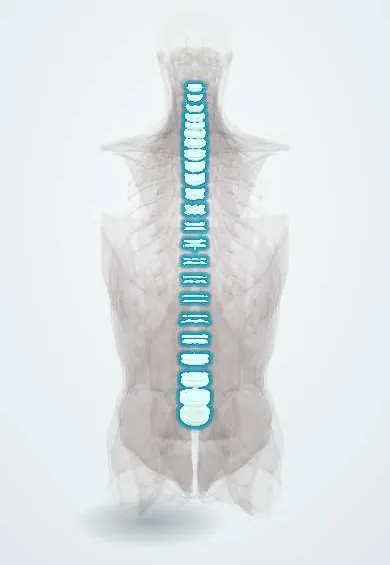
Representative model, for educational purposes only.