Conditions · Infectious and tropical diseases
Diphtheria !
Diphtheria is a vaccine-preventable bacterial infection of the throat that forms a grey membrane; its toxin can damage the heart and nerves.
Updated 2026-11-01
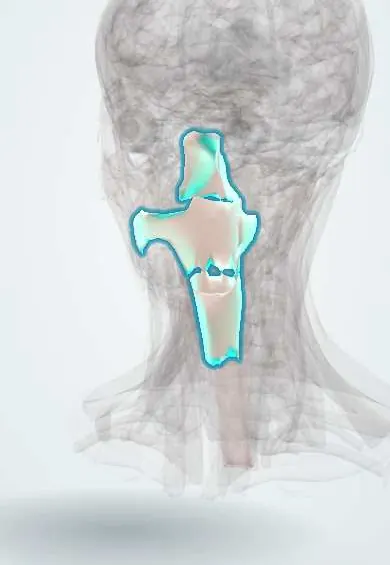
Structures involved
Tap one to see what it is and open it in 3D.
Microorganisms that cause it
Why it happens
- Patterns of acute inflammation: serous, fibrinous, purulent, abscess, ulcer
- Translation and the genetic code
- The airway: from nose to bronchioles
What it is
An acute infection by toxin-producing Corynebacterium diphtheriae, usually of the tonsils, pharynx, larynx or nose (sometimes the skin), with an adherent pseudomembrane and toxin-mediated damage to the heart and nerves.
Who gets it
Rare where vaccination coverage is high, but it returns when coverage falls. Latin America has seen outbreaks since 2016 (for example in Venezuela and Haiti), and Colombia keeps it under mandatory surveillance. Without treatment, a large share of unvaccinated cases die; young children carry the highest risk.
Causes
- Corynebacterium diphtheriae strains carrying the toxin gene (acquired from a bacteriophage)
- Spread by respiratory droplets and by contact with skin lesions or contaminated objects
- Toxin-producing C. ulcerans can cause a similar illness, usually from animal contact
Risk factors
- No vaccination or an incomplete schedule, including missed boosters
- Crowding, poverty and migration with interrupted health services
- Adults whose immunity has waned without boosters
- Close contact with a case or a carrier
Pathophysiology
The bacteria stay on the mucosa and release an exotoxin that blocks protein synthesis by inactivating elongation factor 2. Local cell death, fibrin, white cells and bacteria form a tightly adherent grey pseudomembrane that can obstruct the airway. Absorbed toxin travels in the blood and injures the myocardium and peripheral nerves days to weeks later.
Classification
- Respiratory: tonsillar/pharyngeal (most common), laryngeal and anterior nasal
- Cutaneous: chronic non-healing ulcers, often with a membrane
- Toxin-negative strains: local infection without systemic toxicity
Symptoms and signs
- Gradual onset of sore throat, painful swallowing, malaise and low-grade fever
- Grey-white membrane over the tonsils and pharynx that bleeds if scraped
- Marked neck swelling from lymph nodes and soft-tissue oedema ("bull neck")
- Hoarseness, barking cough and stridor when the larynx is involved
- Serosanguinous nasal discharge in nasal disease
- Skin ulcers with sharp edges in the cutaneous form
Diagnosis
- Clinical
- Suspected in a person with pharyngitis and an adherent pseudomembrane, especially if unvaccinated. Treatment starts on clinical suspicion and is not delayed for results; the case is notified to public health.
- Tests
- Throat or membrane swabs (taken from beneath the membrane) for culture on selective media and toxin testing (Elek test or PCR for the toxin gene). ECG and cardiac enzymes to detect myocarditis.
- Imaging
- Not needed for diagnosis; echocardiography when myocarditis is suspected; airway assessment as needed.
Differential diagnosis
- Streptococcal pharyngitis
- Infectious mononucleosis (Epstein-Barr virus)
- Peritonsillar abscess
- Epiglottitis and viral croup
- Oral candidiasis and Vincent angina
Goal of treatment
Neutralise circulating toxin early, eradicate the bacteria, protect the airway and detect cardiac and neurological complications, while stopping spread to contacts.
Treatment
- Acute
- Diphtheria antitoxin (equine) given as early as possible on clinical suspicion; it neutralises only toxin not yet bound to tissues.
- Medical
- Antibiotics (a macrolide such as erythromycin or azithromycin, or penicillin) to eradicate the organism and stop transmission; vaccination after recovery, as illness does not give reliable immunity.
- Medical
- Close contacts are traced, swabbed, given antibiotic prophylaxis and have their vaccination updated.
- Follow-up
- Droplet isolation (contact isolation for skin disease) until cultures are negative; serial ECGs and close watch of the airway, swallowing and limb strength.
- Procedure
- Intubation or tracheostomy for airway obstruction; temporary pacing for high-grade heart block.
Complications
- Airway obstruction from the membrane or its aspiration
- Myocarditis with arrhythmias, heart block and heart failure, the main cause of death
- Polyneuropathy: palatal and cranial nerve palsies, then limb weakness
- Diaphragm paralysis and respiratory failure
- Kidney injury
Prognosis
Fatality is about 5–10% overall and higher in young children and older adults; it rises with delay in antitoxin. Survivors of neuropathy and myocarditis usually recover fully over weeks.
Prevention
- Routine childhood vaccination with diphtheria toxoid in combined vaccines, with boosters into adolescence and adulthood
- High coverage to keep herd immunity
- Rapid contact tracing, prophylaxis and isolation around each case
Test yourself
Think of the answer, then tap the question to see it.
What is the hallmark local finding of respiratory diphtheria?
A grey, tightly adherent pseudomembrane over the tonsils and pharynx that bleeds when scraped off.
How does diphtheria toxin damage cells?
It inactivates elongation factor 2 by ADP-ribosylation, blocking protein synthesis.
Which two organs are the main targets of the circulating toxin?
The heart (myocarditis, conduction block) and the peripheral nerves (polyneuropathy, palatal palsy).
What is the key specific treatment and when is it given?
Diphtheria antitoxin, given as soon as the disease is suspected, without waiting for culture, together with antibiotics.
Which isolation precaution applies to respiratory diphtheria?
Droplet precautions until follow-up cultures are negative.
Related conditions
- Streptococcal pharyngitis
- Peritonsillar abscess
- Infectious mononucleosis
- Acute epiglottitis
- Myocarditis
- Guillain-Barré syndrome
- Pertussis (whooping cough)
- Tetanus
Educational information, not medical advice. For any symptom, see a health professional.
Sources: Diphtheria (World Health Organization, 2025); Clinical Features of Diphtheria | Diphtheria | CDC (Centers for Disease Control and Prevention, 2024).
Spotted a mistake?We are always improving for the community. Tell us what is wrong and our team will review it.Report a mistake
Representative model, for educational purposes only.