Conditions · Emergency medicine and toxicology
Electrical and lightning injury !
Damage caused when electric current or lightning passes through the body. Skin burns may look small while the heart, muscles and nerves are badly hurt.
Updated 2026-11-01
Structures involved
Tap one to see what it is and open it in 3D.
- Skin
- Sinoatrial (SA) node
- Atrioventricular (AV) node
- Flexor carpi radialis
- Flexor carpi ulnaris
- Median nerve
- Ulnar nerve
- Brachial artery
- Eardrum
- Lens
Why it happens
- Mechanical and electrical injury: abrasion, contusion, laceration, wounds
- Causes of cell injury
- How arrhythmias arise
- Refractory periods and excitability
- Myoglobin
What it is
Injury to the skin and deep tissues caused by electric current (low or high voltage) or by a lightning strike. The current can stop or disturb the heart, burn tissue along its path, break down muscle and damage nerves, so the visible burns often underestimate the internal damage.
Who gets it
Low-voltage injuries happen mostly at home (children with outlets and cords), while high-voltage injuries affect electricians, linemen, construction and farm workers. Colombia lies in one of the regions with the most thunderstorm activity in the world, so lightning injuries in rural workers, farmers and people outdoors are a real concern. Most people struck by lightning survive, often with lasting sequelae.
Causes
- Low-voltage alternating current (household outlets, faulty appliances, chewed cords)
- High-voltage current (power lines, transformers, industrial equipment)
- Lightning: direct strike, side flash, ground current or contact with a struck object
- Electric arcs and flash burns without current passing through the body
- Conducted electrical weapons (rarely serious on their own)
Risk factors
- Electrical, construction, mining and agricultural work
- Young children exploring outlets and cords
- Wet skin or standing in water, which lowers skin resistance
- Being outdoors in open fields, under isolated trees or on water during a thunderstorm
- Faulty wiring and unprotected installations
Pathophysiology
Damage depends on voltage, current type, resistance and path. Current turns into heat in high-resistance tissue (bone, skin), so deep muscle around bone can be destroyed under intact-looking skin. Alternating current causes sustained muscle contraction that prevents letting go and, crossing the heart, can trigger ventricular fibrillation. Lightning is a very brief massive direct-current discharge that tends to cause asystole and respiratory arrest; most of the energy flows over the skin surface.
Classification
- Low voltage (below 1,000 V) versus high voltage (1,000 V or more)
- Alternating current (tetany, ventricular fibrillation) versus direct current (single jolt, asystole)
- Lightning injury: direct strike, side flash, ground current, contact injury
- Entry and exit wounds, arc (flash) burns and thermal burns from burning clothing
Symptoms and signs
- Entry and exit burns, often on the hands and feet, that may look small
- Palpitations, chest pain or loss of consciousness
- Muscle pain, tenderness and swelling of the limb in the current's path
- Numbness, tingling or weakness; headache and confusion
- Lightning: feathery fern-like skin marks (Lichtenberg figures), temporary paralysis of the limbs with pale cold skin (keraunoparalysis), ruptured eardrums and hearing loss
- Fractures or dislocations from violent contractions or falls
Diagnosis
- Clinical
- History of the source, voltage, current type and duration of contact; full trauma survey; search for entry and exit wounds; neurovascular check of every limb; eye and ear examination after lightning.
- Tests
- ECG and cardiac monitoring, creatine kinase, urine myoglobin, electrolytes (potassium), kidney function and troponin when there is chest pain or ECG change. Compartment pressure measurement if the limb is tense.
- Imaging
- X-rays or CT for fractures and dislocations from falls or contractions; CT of the head and spine when there was loss of consciousness or a fall.
Differential diagnosis
- Thermal or flame burn without current passage
- Primary cardiac arrest from coronary disease
- Seizure or syncope causing a fall
- Traumatic brain or spinal cord injury from another mechanism
- Rhabdomyolysis from other causes (crush, exertion)
Goal of treatment
Make the scene safe, restore circulation and breathing, detect arrhythmias, protect the kidneys from myoglobin and find deep tissue damage early.
Treatment
- Acute
- Turn off the power before touching the person; standard resuscitation. In mass lightning casualties, people in cardiac or respiratory arrest are treated first (reverse triage), because they often recover with prompt CPR.
- Follow-up
- Cardiac monitoring for high-voltage or lightning injury, loss of consciousness, chest pain or an abnormal ECG; low-voltage injury with a normal ECG and no symptoms usually needs no admission.
- Medical
- Intravenous crystalloids guided by urine output when there is muscle damage or myoglobinuria (burn formulas underestimate needs); treatment of hyperkalaemia; tetanus prophylaxis.
- Surgical
- Fasciotomy for compartment syndrome; debridement of dead muscle, often in stages; amputation in severe limb destruction; burn care and grafting.
- Rehabilitation
- Physical and occupational therapy; follow-up for nerve damage, cataracts, hearing loss and psychological effects.
Complications
- Ventricular fibrillation, asystole and other arrhythmias
- Rhabdomyolysis with acute kidney injury and hyperkalaemia
- Compartment syndrome and limb loss
- Peripheral nerve and spinal cord damage; seizures
- Cataracts (sometimes months later) and ruptured eardrum
- Chronic pain, memory problems and post-traumatic stress
Prognosis
Low-voltage injuries with a normal ECG usually do well. High-voltage injuries carry high rates of amputation and long-term disability. Most lightning victims survive; death is mainly from immediate cardiac arrest, and survivors may have lasting neurological and psychological sequelae.
Prevention
- Safe wiring, outlet covers and keeping cords away from children
- Lockout procedures and protective equipment for electrical workers
- Seeking shelter in a building or closed vehicle when thunder is heard, and avoiding open fields, isolated trees and water
Test yourself
Think of the answer, then tap the question to see it.
Why can a small skin burn hide a severe electrical injury?
Current produces heat in high-resistance deep tissue along its path, destroying muscle and nerve around bone under skin that looks almost intact.
Which arrhythmia is typical of low-voltage AC injury, and which of lightning?
Alternating current classically causes ventricular fibrillation; lightning (massive direct current) typically causes asystole and respiratory arrest.
What is reverse triage in a lightning strike with several victims?
People who appear dead (in cardiac or respiratory arrest) are resuscitated first, since many recover with prompt CPR, while those who are conscious usually survive.
Which lab tests look for muscle breakdown after a high-voltage injury?
Creatine kinase and urine myoglobin, with potassium and creatinine to detect hyperkalaemia and kidney injury.
Which late eye complication should be followed after electrical or lightning injury?
Cataract, which can appear months after the injury.
Related conditions
- Burns (thermal, chemical, electrical; inhalation injury)
- Rhabdomyolysis
- Acute compartment syndrome
- Acute kidney injury
- Cardiac arrest (VF, pulseless VT, asystole, PEA)
- Atrial fibrillation
- Spinal cord injury
- Traumatic brain injury
- Cataract
Educational information, not medical advice. For any symptom, see a health professional.
Sources: Electrical injury (MedlinePlus, US National Library of Medicine, 2026); Lightning and Your Safety (Centers for Disease Control and Prevention (CDC), 2026).
Spotted a mistake?We are always improving for the community. Tell us what is wrong and our team will review it.Report a mistake
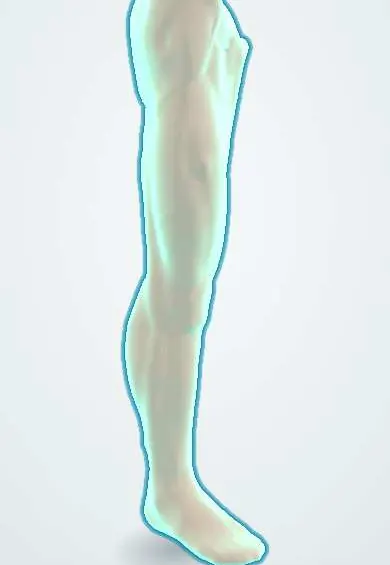
Representative model, for educational purposes only.