Pulmonary hypertension and cor pulmonale !
High pressure in the lung arteries that overloads the right side of the heart. It causes breathlessness and can lead to right heart failure.
Updated 2026-11-01
Structures involved
Tap one to see what it is and open it in 3D.
- Pulmonary trunk
- Pulmonary arteries
- Right ventricle
- Segmental lung vessels
- Right atrium
- Tricuspid anterior leaflet
- Tricuspid septal leaflet
- Tricuspid posterior leaflet
- Interventricular septum
In embryology
- Fetal circulation and the changes at birth
- Ventricular septal defect
- Atrial septal defect and patent foramen ovale
- Patent ductus arteriosus
- Atrioventricular septal defect (endocardial cushion defect)
- Congenital diaphragmatic hernia
- Pulmonary hypoplasia
In the clinical exam
- Precordial inspection and palpation: apex beat, heaves and thrills
- Heart sounds: S1, S2 and its splitting, S3 and S4
- Jugular venous pressure and the venous pulse
- Hepatojugular (abdominojugular) reflux
- Heart failure syndrome: left- and right-sided signs
- Pulmonary hyperinflation syndrome (emphysema)
Why it happens
- Hypertrophy: physiologic and pathologic
- Pulmonary thromboembolism: where it comes from and what it does
- Hyperemia and congestion (the nutmeg liver, heart-failure cells)
- What happens to a thrombus: propagation, embolism, dissolution, organization
- The pulmonary circulation and hypoxic vasoconstriction
- Nitric oxide (NO)
What it is
Pulmonary hypertension is a mean pulmonary arterial pressure above 20 mmHg at rest measured by right heart catheterisation. It can arise from disease of the pulmonary arteries themselves, left heart disease, lung disease and hypoxia, chronic thromboembolism or multifactorial causes. Cor pulmonale is the enlargement and failure of the right ventricle caused by pulmonary hypertension due to lung disease or hypoxia.
Who gets it
Pulmonary hypertension affects about 1% of the world population, rising with age; most cases are due to left heart disease and lung disease. Pulmonary arterial hypertension (group 1) is rare and more common in women. High-altitude residence is relevant in the Andean region, including parts of Colombia such as Bogotá, and schistosomiasis is a leading cause of group 1 disease in endemic areas worldwide.
Causes
- Group 1, pulmonary arterial hypertension: idiopathic, heritable (BMPR2), drug and toxin induced (amphetamines, some appetite suppressants), connective tissue disease (systemic sclerosis), HIV, portal hypertension, congenital shunts (Eisenmenger), schistosomiasis
- Group 2: left heart disease (heart failure, mitral and aortic valve disease)
- Group 3: lung disease and hypoxia (COPD, interstitial lung disease, obstructive sleep apnoea, high altitude)
- Group 4: chronic thromboembolic pulmonary hypertension and other pulmonary artery obstructions
- Group 5: unclear or multifactorial mechanisms (sickle cell disease, sarcoidosis, myeloproliferative disorders, chronic kidney disease)
Risk factors
- COPD, interstitial lung disease and obstructive sleep apnoea
- Heart failure and valve disease
- Previous pulmonary embolism
- Systemic sclerosis and other connective tissue diseases
- HIV infection, portal hypertension, sickle cell disease, family history, stimulant drug use, residence at high altitude
Pathophysiology
In pulmonary arterial hypertension, endothelial dysfunction with too little nitric oxide and prostacyclin and too much endothelin causes vasoconstriction, smooth muscle proliferation, intimal fibrosis and in situ thrombosis, raising pulmonary vascular resistance. In lung disease, alveolar hypoxia causes reflex pulmonary vasoconstriction and vessel loss. The thin-walled right ventricle hypertrophies and then dilates; the interventricular septum bows toward the left ventricle, tricuspid regurgitation develops, cardiac output falls and systemic venous congestion follows (cor pulmonale, right heart failure).
Classification
- Five clinical groups (WHO/ESC-ERS): 1 arterial, 2 left heart disease, 3 lung disease or hypoxia, 4 chronic thromboembolic, 5 multifactorial
- Haemodynamic: pre-capillary (normal wedge pressure) versus post-capillary (raised wedge pressure)
- Functional class I–IV according to limitation of physical activity
- Cor pulmonale: acute (massive pulmonary embolism) or chronic (lung disease)
Symptoms and signs
- Progressive exertional dyspnoea and fatigue (earliest symptoms)
- Exertional chest pain, light-headedness and syncope
- Leg oedema, ascites, abdominal discomfort from liver congestion
- Examination: loud pulmonary component of S2, right ventricular heave, tricuspid regurgitation murmur, raised jugular venous pressure
- Cyanosis and features of the underlying disease (clubbing, crackles, Raynaud phenomenon)
Diagnosis
- Clinical
- Suspect it in unexplained exertional dyspnoea, especially with a loud P2 and right heart failure, or in at-risk groups (systemic sclerosis, portal hypertension, HIV, previous pulmonary embolism).
- Tests
- ECG: right axis deviation, right ventricular hypertrophy, right atrial enlargement (P pulmonale). BNP or NT-proBNP for severity. Pulmonary function tests, arterial blood gas and sleep study for lung causes; autoimmune serology, HIV and liver tests. Right heart catheterisation confirms the diagnosis, measures wedge pressure and resistance and includes a vasoreactivity test in idiopathic disease.
- Imaging
- Transthoracic echocardiography is the screening test (estimated pulmonary pressure from tricuspid regurgitation, right ventricular dilation and dysfunction). Chest X-ray shows enlarged central pulmonary arteries with peripheral pruning. Ventilation/perfusion scan to exclude chronic thromboembolic disease; CT of the chest for lung parenchyma and pulmonary angiography.
Differential diagnosis
- Left-sided heart failure
- Constrictive pericarditis and restrictive cardiomyopathy
- Chronic lung disease without pulmonary hypertension
- Anaemia or deconditioning
- Coronary artery disease
Goal of treatment
Treat the underlying cause, relieve right heart failure, correct hypoxaemia, and in pulmonary arterial hypertension lower pulmonary vascular resistance with targeted drugs to improve symptoms and survival.
Treatment
- Medical
- Supportive therapy: long-term oxygen when hypoxaemic, diuretics for right heart failure, anticoagulation in chronic thromboembolic disease.
- Medical
- Treat the cause: optimise heart failure and valve disease (group 2), treat COPD, interstitial disease and sleep apnoea (CPAP) (group 3).
- Medical
- Pulmonary arterial hypertension (group 1): targeted vasodilators, including endothelin receptor antagonists, phosphodiesterase-5 inhibitors, soluble guanylate cyclase stimulators and prostacyclin pathway drugs, often in combination; calcium channel blockers only for proven vasoreactive patients.
- Surgical
- Pulmonary endarterectomy for chronic thromboembolic pulmonary hypertension; balloon pulmonary angioplasty when inoperable; lung or heart-lung transplantation for refractory disease.
- Lifestyle
- Supervised exercise rehabilitation, influenza and pneumococcal vaccination, smoking cessation, avoiding pregnancy in pulmonary arterial hypertension (high maternal risk) and caution with high altitude and air travel.
- Follow-up
- Nursing: oxygen saturation, daily weight, fluid balance, signs of right heart failure, functional class and 6-minute walk distance; care of continuous infusion lines when used.
Complications
- Right heart failure (cor pulmonale)
- Arrhythmias, especially atrial flutter and fibrillation
- Syncope and sudden death
- Haemoptysis
- Very high maternal and fetal risk in pregnancy
Prognosis
Depends on the cause and right ventricular function. Untreated pulmonary arterial hypertension has a poor prognosis, but targeted therapy has improved survival. In lung disease, cor pulmonale signals advanced disease and a shorter life expectancy. Chronic thromboembolic disease can be cured by endarterectomy.
Prevention
- Smoking cessation and treatment of COPD and sleep apnoea
- Adequate anticoagulation after pulmonary embolism and follow-up for persistent dyspnoea
- Screening high-risk groups such as systemic sclerosis with echocardiography
- Early repair of large congenital shunts to prevent Eisenmenger syndrome
- Avoiding stimulant and anorexigen drugs
Test yourself
Think of the answer, then tap the question to see it.
What mean pulmonary arterial pressure defines pulmonary hypertension?
More than 20 mmHg at rest on right heart catheterisation.
What is the most common cause of pulmonary hypertension overall?
Left heart disease (group 2).
What is cor pulmonale?
Right ventricular enlargement and failure caused by pulmonary hypertension due to lung disease or hypoxia.
Which test confirms the diagnosis?
Right heart catheterisation.
Which connective tissue disease is most often screened for pulmonary arterial hypertension?
Systemic sclerosis.
Related conditions
- Chronic obstructive pulmonary disease (COPD)
- Interstitial lung disease
- Obstructive sleep apnoea
- Pulmonary embolism
- Heart failure
- Mitral stenosis
- Systemic sclerosis (scleroderma, including CREST)
- Eisenmenger syndrome
- Schistosomiasis
- HIV infection and AIDS
- Sickle cell disease
- Tricuspid regurgitation and tricuspid valve disease
- Cirrhosis
- Portal hypertension
- Syncope (vasovagal, orthostatic hypotension, cardiac)
Educational information, not medical advice. For any symptom, see a health professional.
Sources: Pulmonary hypertension (MedlinePlus, US National Library of Medicine, 2026); Cor pulmonale (MedlinePlus, US National Library of Medicine, 2026).
Spotted a mistake?We are always improving for the community. Tell us what is wrong and our team will review it.Report a mistake
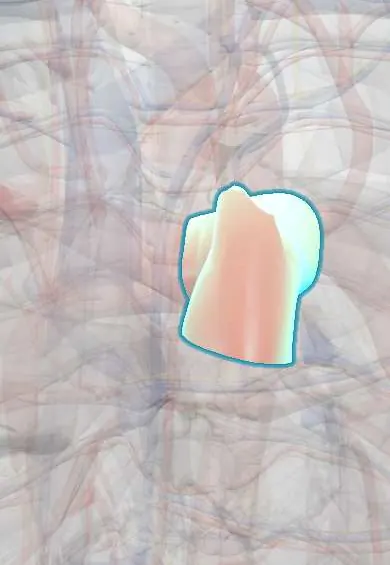
Representative model, for educational purposes only.