
Sinus barotrauma
Sharp facial or forehead pain, sometimes with a nosebleed, when a blocked sinus cannot equalise pressure during a flight or a dive. Usually settles in days.
What it is
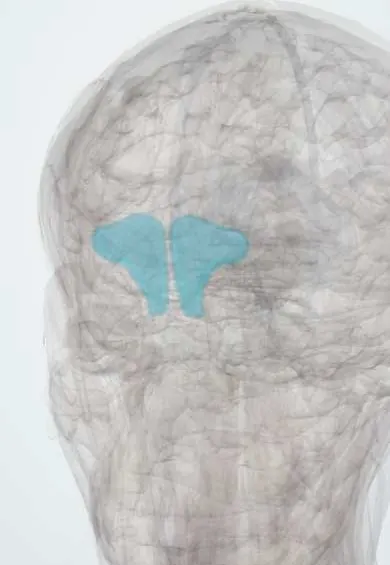
Injury to the lining of a paranasal sinus caused by a pressure difference between the air inside the sinus and the surroundings, when the sinus opening (ostium) is blocked. It happens mostly on descent when flying or diving and affects the frontal sinus most often, then the ethmoid and maxillary sinuses.
Who gets it
The paranasal sinuses are among the air spaces most often injured by pressure change, together with the middle ear, both in scuba divers and in air travellers. The frontal sinus is involved most often, followed by the ethmoid and maxillary sinuses. Most cases are mild and short lived; complications such as sinus rupture are rare.
Causes
- Descent when diving, when the outside pressure rises fastest relative to the sinus air
- Aircraft descent, especially with a cold
- Less often ascent, when expanding air cannot leave a blocked sinus (reverse squeeze)
- Hyperbaric chamber treatment or work in compressed air
Risk factors
- Upper respiratory infection or allergic rhinitis that swells the lining around the ostium
- Acute or chronic sinusitis and nasal polyps
- Deviated nasal septum or other narrowing of the sinus drainage pathways
- Previous sinus or nasal surgery
- Overuse of decongestant sprays with rebound congestion
- Diving or flying while congested
Pathophysiology
Descent raises the surrounding pressure → by Boyle's law the gas in a closed space shrinks → if the ostium is blocked, pressure inside the sinus falls relative to the outside → the mucosa is pulled inwards, its vessels dilate and leak → mucosal oedema, a fluid or bloody effusion and haemorrhage into the sinus → pain over the sinus, and blood that drains through the ostium appears as epistaxis. Raised pressure next to nerves can irritate them: the maxillary nerve along the floor of the orbit (numbness or tingling of the cheek) or, rarely, the optic nerve beside the sphenoid sinus. On ascent the process can run in reverse if trapped gas expands and cannot escape. Very rarely the sinus wall breaks and air escapes into the orbit or the skull.
Classification
- By severity (Weissman grading): grade I mild transient discomfort; grade II localised pain lasting up to 24 hours; grade III severe pain lasting more than a day
- By phase: descent (squeeze, most common) or ascent (reverse squeeze)
- By sinus: frontal, ethmoid, maxillary or sphenoid
- Uncomplicated, or complicated by nerve compression or sinus rupture
Symptoms and signs
- Pressure or sharp pain over the affected sinus during descent (forehead, between the eyes, cheek)
- A feeling of congestion in the face
- Nosebleed or blood-streaked mucus from the nose
- Tenderness over the sinus on pressing
- Pain that can be referred to the upper teeth from the maxillary sinus
- Numbness or tingling of the cheek (maxillary nerve irritation)
Diagnosis
- Clinical
- The history makes the diagnosis: facial pain over a sinus that started during a pressure change, often with a recent cold or allergy and sometimes with epistaxis. Examination may show tenderness over the sinus and blood in the nose; nasal endoscopy can show swollen mucosa or blood at the drainage pathways. Vision, eye movements and facial sensation should be checked.
- Tests
- No laboratory test is needed in uncomplicated cases.
- Imaging
- Not needed for uncomplicated sinus barotrauma. CT is used when sinus rupture, air in the orbit or skull, or nerve compression is suspected, and when symptoms are atypical, severe or persistent; it can show mucosal thickening, fluid or a polypoid haematoma in the sinus and the narrowed drainage pathway. MRI helps when a mass such as a mucocele has to be excluded.
Differential diagnosis
- Acute bacterial or viral sinusitis
- Middle-ear barotrauma
- Dental pain or dental barotrauma
- Migraine or other primary headache triggered by travel
- Decompression sickness or arterial gas embolism after diving
- Sinus mucocele
Facial or ear pain with flying or diving: which air space is it?
| Condition | When it starts | Where it hurts and what goes with it | Management principle |
|---|---|---|---|
| Sinus barotrauma | During descent (less often ascent), within seconds to minutes | Over one sinus (forehead, between the eyes, cheek), sometimes a nosebleed; hearing normal | Stop the dive or flight descent if possible, open the ostium, analgesia; image only if complicated |
| Acute sinusitis | Over days, usually after a cold; not tied to a pressure change | Facial pain and pressure with purulent nasal discharge and blocked nose, sometimes fever | Symptomatic care; antibiotics only for suspected bacterial sinusitis |
| Ear barotrauma | During descent | Ear pain, fullness and muffled hearing; red or bloody eardrum | Equalise gently, no diving or flying until healed; urgent care if vertigo or sensorineural loss |
| Decompression sickness | After ascent, usually from deeper or longer dives | Joint pain, skin changes, numbness, weakness or confusion rather than pain over one sinus | Oxygen and urgent recompression by hyperbaric medicine |
Goal of treatment
Open the blocked sinus, relieve pain, let the lining heal before the next pressure exposure, and recognise the rare complications that need imaging and specialist care.
Treatment
- Conservative
- Most cases settle on their own: stop diving (or slow the descent and climb a little to relieve the pressure) and avoid further flights or dives until the pain and congestion have gone; pain relief with simple analgesics.
- Medical
- Decongestant principle: a short course of a topical or oral decongestant shrinks the swollen lining so the ostium reopens and pressure can equalise; prolonged use is avoided because of rebound congestion. Intranasal corticosteroids are added when decongestants are not enough or when allergy is the cause. Antibiotics only when a bacterial infection develops in the blood-filled sinus.
- Acute
- Urgent assessment and CT for loss of vision, double vision, air around the eye or severe headache; after diving, decompression illness must be excluded by a hyperbaric medicine specialist.
- Surgical
- Referral to otorhinolaryngology for severe, persistent or recurrent cases; endoscopic sinus surgery to widen the natural drainage pathway, or correction of a septal deviation or polyps, for people with repeated barotrauma who must keep flying or diving.
Complications
- Haemorrhage into the sinus (haematoma) and epistaxis
- Secondary bacterial sinusitis
- Numbness of the cheek from maxillary nerve irritation
- Reduced vision from optic nerve compression (rare)
- Sinus rupture with air in the orbit or the skull (pneumocephalus), very rare
Common traps
- Sinus barotrauma happens on the way up: the classic squeeze is on descent, when rising outside pressure shrinks the trapped air; ascent problems (reverse squeeze) are less common.
- A nosebleed after a dive means the nose was hit: blood from a squeezed sinus drains out through the ostium, so epistaxis with facial pain during descent is a typical sign of sinus barotrauma.
- Every diver with sinus pain needs a CT: uncomplicated sinus barotrauma is a clinical diagnosis; CT is for visual loss, double vision, air around the eye, severe headache or symptoms that do not settle.
- Decongestants should be used every day to stay clear for diving: overuse causes rebound congestion, which itself raises the risk; the principle is a short course to open the ostium, and not diving or flying while congested.
- Antibiotics are routine for sinus barotrauma: it is a pressure injury, not an infection; antibiotics are kept for a secondary bacterial infection.
Prognosis
Most cases resolve within days with no lasting harm once the sinus can drain and the person avoids further pressure changes. Recurrent cases usually have an underlying narrowing (septal deviation, polyps, chronic sinusitis) that can be treated. Serious complications are rare.
Prevention
- Not diving or flying with a cold, allergy flare or sinus infection; delaying the trip or dive when possible
- Equalising early and often, and descending slowly
- Treating allergic rhinitis, chronic sinusitis and nasal polyps before diving
- Using decongestants only briefly before a pressure change and never as a long-term habit
- Stopping the dive if facial pain appears on descent rather than forcing through it
- Assessment by otorhinolaryngology for recurrent episodes
Test yourself
Think of the answer, then tap the question to see it.
Why is sinus barotrauma most common during descent?
Rising outside pressure shrinks the air trapped in a sinus with a blocked ostium; the relative vacuum pulls the lining inwards so it swells and bleeds.
Which sinus is most often affected by barotrauma, and why does a squeezed maxillary sinus cause cheek numbness?
The frontal sinus, followed by the ethmoid and maxillary sinuses. The maxillary nerve runs along the roof of the maxillary sinus, so pressure there can irritate it.
A diver with a cold gets sharp forehead pain at 5 m and a nosebleed afterwards; vision and eye movements are normal. Is CT needed?
No: this is uncomplicated sinus barotrauma, a clinical diagnosis. Treatment is no further diving, a short decongestant course, analgesia and follow-up; CT only for complications or persistent pain.
After a deep dive a woman has pain behind the eyes and blurred vision in one eye. What must be considered, and what test?
Sphenoid sinus barotrauma pressing on the optic nerve, and decompression illness; urgent CT and a hyperbaric medicine opinion.
What is the principle behind using a decongestant in sinus barotrauma, and why is long-term use a mistake?
It shrinks the swollen lining so the ostium reopens and pressure equalises. Prolonged use causes rebound congestion, which blocks the ostium again.
Connections
Educational information, not medical advice. For any symptom, see a health professional.
Sources: Ear and Sinus Barotrauma (MSD Manual Professional Edition, 2025); Overview of Barotrauma (MSD Manual Professional Edition, 2025); Scuba Diving: Decompression Illness and Other Dive-Related Injuries (CDC Yellow Book, 2025); Frontal Sinus Barotrauma (Journal of the Belgian Society of Radiology (Europe PMC), 2016).
Spotted a mistake?We are always improving for the community. Tell us what is wrong and our team will review it.Report a mistake
Representative model, for educational purposes only.