
Deviated nasal septum
A bend of the wall that divides the nose. It is very common and often harmless, but it can block breathing; surgery (septoplasty) straightens it.
What it is
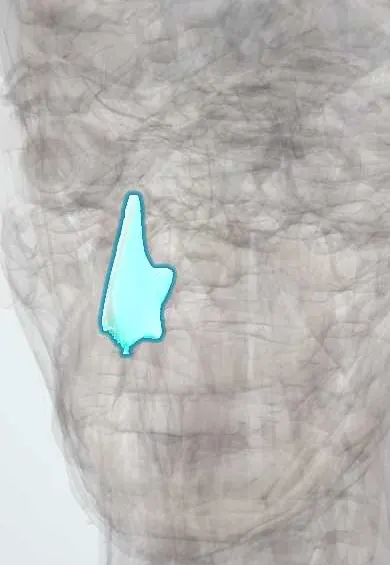
A displacement of the cartilaginous or bony nasal septum away from the midline that narrows one or both nasal passages. Minor deviation is almost universal; it matters when it causes nasal obstruction or other symptoms.
Who gets it
Most adults have some degree of septal deviation, but only a minority have symptoms. It is one of the most common reasons for nasal surgery, and in children and young adults it often follows a nasal injury.
Causes
- Developmental: unequal growth of the septal cartilage and bones
- Birth trauma
- Nasal trauma, including nasal fracture
- Previous nasal surgery
Risk factors
- Nasal injury from sports, falls, fights or traffic accidents
- Contact sports
- Untreated nasal fracture or septal haematoma
Classification
- By shape: C-shaped, S-shaped, or a spur (crest)
- By site: anterior (caudal cartilage, near the nasal valve) or posterior (bony septum)
- Caudal dislocation of the septum out of the maxillary crest
- Anatomical classifications (such as Mladina's) describe the pattern for surgical planning
Symptoms and signs
- Nasal obstruction, on one or both sides, often worse when lying down
- Mouth breathing and snoring
- Recurrent nosebleeds from dry mucosa over the deviation
- Recurrent sinusitis or postnasal drip
- Facial pain or headache from contact between the septum and a turbinate
- Visible deviation of the nose when there is external deformity
Diagnosis
- Clinical
- Anterior rhinoscopy and nasal endoscopy show the type and site of deviation, the turbinates and any polyps; the effect of a decongestant separates mucosal swelling from fixed deviation. The Cottle manoeuvre (pulling the cheek laterally) improves breathing when the nasal valve is narrow.
- Tests
- Usually none. Rhinomanometry or acoustic rhinometry are used in some centres to measure airflow; allergy testing when allergic rhinitis coexists.
- Imaging
- Not needed for diagnosis. Sinus CT when chronic rhinosinusitis is suspected or before combined septal and sinus surgery.
Differential diagnosis
- Allergic or non-allergic rhinitis with turbinate hypertrophy
- Nasal polyps and chronic rhinosinusitis
- Nasal valve collapse
- Adenoid hypertrophy in children
- Nasal foreign body or tumour (unilateral symptoms)
Treatment
- Conservative
- No treatment when there are no symptoms. Saline irrigation and external nasal dilator strips can relieve mild obstruction.
- Medical
- Intranasal corticosteroid sprays, and antihistamines when allergic, treat coexisting rhinitis; a medical trial usually comes before surgery. Long-term decongestant sprays are avoided (rebound congestion).
- Surgical
- Septoplasty, usually endonasal, removes or reshapes the deviated cartilage and bone, often with turbinate reduction, when obstruction persists and affects quality of life; referral to otolaryngology.
- Surgical
- Septorhinoplasty when the external nose is also deviated. In children surgery is usually delayed until facial growth is complete unless obstruction is severe.
- Acute
- After nasal trauma, a septal haematoma is drained urgently to prevent abscess and septal collapse.
Complications
- Chronic mouth breathing, poor sleep and snoring
- Recurrent sinusitis and epistaxis
- After surgery: bleeding, septal haematoma or abscess, septal perforation, saddle nose, adhesions, and rarely cerebrospinal fluid leak or loss of smell
Prognosis
Good. Many people never need treatment. Septoplasty improves nasal breathing and quality of life in most well-selected patients; some still have symptoms when rhinitis is the main problem.
Test yourself
Think of the answer, then tap the question to see it.
What is the first-line approach to a symptomatic deviated septum with rhinitis?
A trial of medical treatment (saline and intranasal corticosteroid), with septoplasty if obstruction persists.
What does a positive Cottle manoeuvre suggest?
Narrowing or collapse of the internal nasal valve.
Which complication of nasal trauma must be ruled out because it can destroy the septal cartilage?
Septal haematoma, which needs urgent drainage.
Why is septoplasty usually delayed in children?
Because the septum is a growth centre of the midface; surgery is reserved for severe obstruction until growth is complete.
In ENT
Connections
Educational information, not medical advice. For any symptom, see a health professional.
Sources: Septoplasty (StatPearls (NCBI Bookshelf), 2022).
Spotted a mistake?We are always improving for the community. Tell us what is wrong and our team will review it.Report a mistake
Representative model, for educational purposes only.