
Adenoid hypertrophy
Enlarged adenoids at the back of the nose that block nasal breathing in children, causing snoring, mouth breathing and repeated ear infections.
What it is
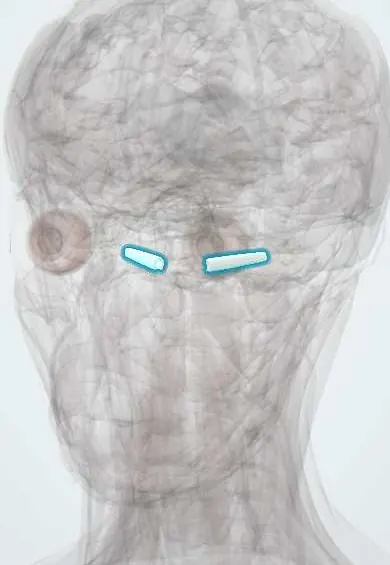
Adenoid hypertrophy is enlargement of the pharyngeal tonsil (adenoids) in the roof of the nasopharynx. Large adenoids obstruct the back of the nose and the openings of the auditory tubes, causing nasal obstruction, sleep-disordered breathing and middle ear problems.
Who gets it
Very common in children. Adenoid tissue grows during early childhood, is largest around 3 to 7 years and usually shrinks during adolescence. Adenoidectomy, often with tonsillectomy, is one of the most frequent paediatric operations.
Causes
- Physiological lymphoid growth in early childhood
- Repeated viral or bacterial infections
- Allergic rhinitis
- Exposure to tobacco smoke and possibly reflux
- In adults, persistent enlargement needs evaluation for HIV infection, lymphoma or nasopharyngeal carcinoma
Risk factors
- Age 3 to 7 years
- Attending daycare and frequent colds
- Allergy
- Passive smoking
- Craniofacial conditions and Down syndrome (a smaller nasopharynx)
Pathophysiology
The adenoids sit on the posterior wall of the nasopharynx, next to the choanae and the pharyngeal openings of the auditory tubes. When enlarged they narrow the nasal airway, forcing mouth breathing, and block tubal drainage and ventilation of the middle ear. They can also act as a reservoir of bacteria (biofilm) that seeds the sinuses and middle ear. Chronic mouth breathing during growth can change facial development.
Classification
- Grading by the proportion of the choanae covered on nasal endoscopy (grades 1 to 4, from under 25% to over 75%)
- By predominant problem: obstructive (nasal blockage, sleep-disordered breathing) or infectious (recurrent adenoiditis, otitis, sinusitis)
Symptoms and signs
- Persistent nasal obstruction and mouth breathing
- Snoring and sleep-disordered breathing, sometimes with observed apnoeas
- Hyponasal voice
- Recurrent or persistent ear infections, middle ear effusion and hearing loss
- Chronic nasal discharge and adenoid facies (long face, open mouth, high-arched palate)
Diagnosis
- Clinical
- History of nasal obstruction, snoring and ear problems; examination of the nose, throat (tonsil size) and ears with otoscopy.
- Tests
- Flexible nasal endoscopy shows the adenoids directly and grades obstruction. Audiometry and tympanometry when there is middle ear effusion or hearing loss; polysomnography when sleep apnoea is suspected but uncertain.
- Imaging
- A lateral soft-tissue radiograph of the nasopharynx estimates adenoid size (adenoid-to-nasopharynx ratio) when endoscopy is not possible; CT or MRI only for atypical masses.
Differential diagnosis
- Allergic or infectious rhinitis and rhinosinusitis
- Deviated nasal septum or turbinate hypertrophy
- Nasal foreign body (unilateral, foul discharge)
- Choanal atresia or stenosis
- Juvenile nasopharyngeal angiofibroma and nasopharyngeal tumours
Goal of treatment
Restore nasal breathing and normal sleep, prevent ear and sinus complications, and protect hearing and speech development.
Treatment
- Follow-up
- Watchful waiting in mild cases, since adenoids shrink with age; treat allergic rhinitis and avoid tobacco smoke.
- Medical
- Intranasal corticosteroids for several weeks can reduce adenoid size and nasal obstruction in mild to moderate cases; antibiotics for bacterial adenoiditis.
- Surgical
- Adenoidectomy for persistent obstruction with sleep-disordered breathing, recurrent or chronic adenoiditis or sinusitis, and persistent middle ear effusion (often with ventilation tubes); combined with tonsillectomy when the tonsils are also large.
- Follow-up
- Refer to ENT when obstruction persists, sleep apnoea is suspected, or effusion and hearing loss last three months or more; post-operative watch for bleeding and nasal voice.
Complications
- Obstructive sleep apnoea, poor growth and behavioural problems
- Otitis media with effusion, recurrent acute otitis media and conductive hearing loss
- Recurrent and chronic rhinosinusitis
- Dental malocclusion and changes in facial growth from mouth breathing
- After adenoidectomy: bleeding, velopharyngeal insufficiency (nasal speech) and, rarely, regrowth
Prognosis
Symptoms often improve as the adenoids regress in late childhood. Adenoidectomy reliably relieves nasal obstruction and improves sleep and ear disease in selected children; regrowth is uncommon.
Test yourself
Think of the answer, then tap the question to see it.
At what age is adenoid tissue typically largest?
Between about 3 and 7 years.
Why do enlarged adenoids cause middle ear effusion?
They block the pharyngeal openings of the auditory tubes, impairing middle ear ventilation and drainage.
Which non-surgical treatment can reduce adenoid size?
Intranasal corticosteroids.
What diagnosis must be considered in an adolescent boy with unilateral nasal obstruction and recurrent nosebleeds?
Juvenile nasopharyngeal angiofibroma.
In ENT
- Voice and speech disorders: muscle tension, spasmodic dysphonia, puberphonia and voice care
- Tonsillectomy and adenoidectomy: indications, technique and complications
Connections
Educational information, not medical advice. For any symptom, see a health professional.
Sources: Adenoid Hypertrophy (StatPearls (NCBI Bookshelf), 2023).
Spotted a mistake?We are always improving for the community. Tell us what is wrong and our team will review it.Report a mistake
Representative model, for educational purposes only.