Conditions · Emergency medicine and toxicology
Anticoagulant poisoning (warfarin and superwarfarins) !
Bleeding caused by too much warfarin or by eating rat poison with long-acting 'superwarfarins'. The blood stops clotting and the effect can last months.
Updated 2026-11-01
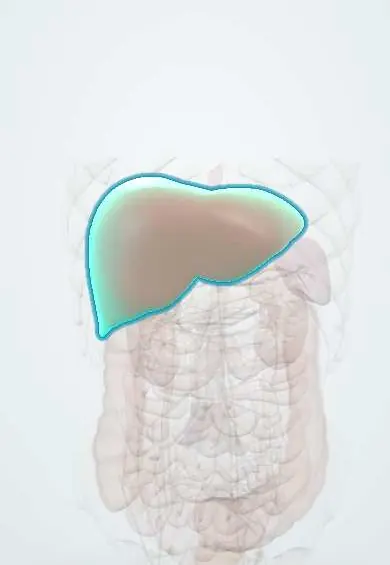
Structures involved
Tap one to see what it is and open it in 3D.
Why it happens
- Hemorrhage: petechiae, purpura, ecchymosis, hematoma, and what blood loss does
- The coagulation cascade
- Coagulation tests: PT/INR, aPTT and platelets
- Vitamin K epoxide reductase (VKORC1)
- Vitamin K (phylloquinone)
What it is
Poisoning by coumarin-type anticoagulants that block vitamin K recycling in the liver: excess of the medicine warfarin, or ingestion of rodenticides containing long-acting 'superwarfarins' such as brodifacoum. Clotting factors II, VII, IX and X fall, the INR rises after a delay, and bleeding can appear anywhere, from gums and urine to the brain.
Who gets it
Warfarin over-anticoagulation is common in patients with atrial fibrillation, mechanical valves and thrombosis, often due to drug interactions or diet changes. Rodenticide ingestion occurs as accidental exposure in small children, as suicidal attempts in adolescents and adults, and occasionally through contaminated products. In Colombia rat poisons are widely available, and some sold informally are not anticoagulants but cholinesterase-inhibiting pesticides, so the actual product must be identified.
Causes
- Warfarin overdose (accidental or intentional)
- Drug interactions that raise warfarin effect (some antibiotics, antifungals, amiodarone)
- Ingestion of superwarfarin rodenticides (brodifacoum, bromadiolone and others)
- Reduced vitamin K intake, diarrhoea or liver disease in a patient on warfarin
Risk factors
- Older age, polypharmacy and poor INR follow-up
- Kidney or liver disease, heart failure and fever
- Young children with access to rat poison
- Depression and previous self-harm
- Malnutrition and alcohol use
Pathophysiology
Coumarins inhibit vitamin K epoxide reductase, so the liver cannot activate factors II, VII, IX and X or proteins C and S. Because factors already in the blood must be used up first, the INR rises after 24 to 72 hours; factor VII falls first. Superwarfarins are fat-soluble, bind tightly to the liver and have half-lives of weeks, so coagulopathy can last for months.
Symptoms and signs
- Often no symptoms at first; bleeding appears one to several days later
- Easy bruising, bleeding gums and nosebleeds
- Blood in the urine, heavy menstruation
- Black stools or vomiting blood
- Headache, confusion or weakness from bleeding inside the skull
- Pain and swelling of a joint or muscle from internal bleeding
Diagnosis
- Clinical
- History of medicines and possible rodenticide exposure, product container, timing and amount; signs of bleeding. In a child with a small accidental ingestion of a single product, clinicians follow national poison centre advice.
- Tests
- INR or prothrombin time at baseline and repeated over the following days (an early normal INR does not exclude poisoning); blood count, blood type and cross-match; kidney and liver tests. Specific superwarfarin levels where available for unexplained coagulopathy.
- Imaging
- Urgent CT of the head for any neurological symptom or head injury; other imaging to find the source of bleeding.
Differential diagnosis
- Liver failure
- Vitamin K deficiency (malabsorption, cholestasis, newborns)
- Disseminated intravascular coagulation
- Haemophilia or von Willebrand disease
- Thrombocytopenia or other drug-induced bleeding
Goal of treatment
Stop the bleeding, restore clotting factors and keep the INR safe for as long as the poison lasts, while preserving necessary anticoagulation when possible.
Treatment
- Acute
- Airway, breathing and circulation; stop the anticoagulant; activated charcoal early after a large ingestion when the airway is safe; contact the poison centre.
- Medical
- Vitamin K (phytonadione), intravenously in serious bleeding, plus prothrombin complex concentrate or fresh frozen plasma to replace factors immediately. Superwarfarin poisoning needs oral vitamin K for weeks to months, guided by the INR.
- Follow-up
- Serial INR, haemoglobin and neurological checks; nursing measures to avoid falls, intramuscular injections and unnecessary punctures; watch for bleeding at gums, urine and stools.
- Lifestyle
- Medication review, education about interactions and steady vitamin K intake, and regular INR follow-up for people on warfarin; safe storage of rodenticides; mental health assessment after intentional ingestion.
Drugs for this condition
Complications
- Intracranial haemorrhage
- Gastrointestinal haemorrhage and haemorrhagic shock
- Bleeding into muscles, joints or the retroperitoneum
- Thrombosis when anticoagulation is reversed in patients who need it
- Recurrent bleeding when superwarfarin treatment is stopped too early
Prognosis
Most cases are controlled with vitamin K and factor replacement. Intracranial haemorrhage carries high mortality. Superwarfarin poisoning requires long follow-up, and stopping treatment too early leads to relapse.
Prevention
- Regular INR monitoring and checking interactions before new medicines
- Storing rat poisons in locked places, out of reach of children and in original containers
- Using bait stations rather than loose poison
- Restricting access to means in people at risk of self-harm
Test yourself
Think of the answer, then tap the question to see it.
Which clotting factors are reduced by warfarin and superwarfarins?
The vitamin K–dependent factors II, VII, IX and X, together with proteins C and S.
Why can the INR be normal shortly after a rodenticide ingestion?
Factors already circulating must be used up first, so the INR rises only after 24 to 72 hours; it must be repeated.
What is the immediate reversal for life-threatening warfarin bleeding?
Intravenous vitamin K plus prothrombin complex concentrate (or fresh frozen plasma if unavailable) to replace factors at once.
Why do superwarfarin poisonings need vitamin K for months?
Superwarfarins are fat-soluble, stay bound in the liver and have half-lives of weeks, so coagulopathy persists long after exposure.
Related conditions
- Upper gastrointestinal bleeding
- Intracerebral haemorrhage
- Subdural haematoma
- Epistaxis (nosebleed)
- Disseminated intravascular coagulation
- Haemophilia A and B
- Von Willebrand disease
- Acute liver failure
- Atrial fibrillation
- Deep vein thrombosis
- Pulmonary embolism
- Vitamin K deficiency bleeding of the newborn
Educational information, not medical advice. For any symptom, see a health professional.
Sources: Anticoagulant rodenticides poisoning (MedlinePlus, US National Library of Medicine, 2026).
Spotted a mistake?We are always improving for the community. Tell us what is wrong and our team will review it.Report a mistake
Representative model, for educational purposes only.