
Anorectal foreign bodies and anorectal trauma
Objects can get stuck in the rectum, and the rectum can be torn by injury. Calm, respectful care, an X-ray and knowing when to operate prevent harm.
What it is
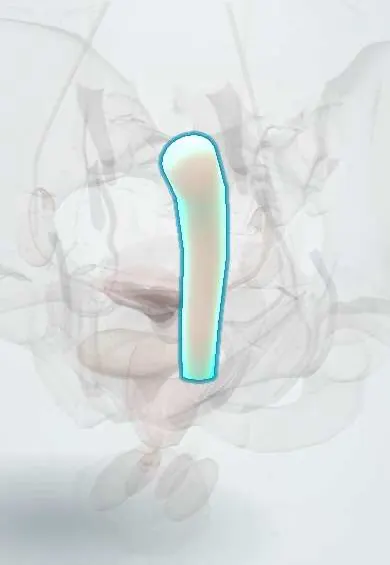
An object inserted into or retained in the rectum or anal canal, and injuries of the anorectum from objects, sexual activity, assault, impalement, gunshot or stab wounds, pelvic fractures, enemas or medical procedures. Most inserted objects sit low in the rectum and can be removed through the anus; the dangers are a missed perforation, injury to the anal sphincters and a missed sexual assault.
Who gets it
Retained rectal foreign bodies are seen in emergency departments everywhere, mostly in men aged 20 to 50, often after sexual activity and sometimes after assault, self-treatment of constipation or haemorrhoids, psychiatric illness, intoxication or concealment of drug packets. Embarrassment often delays the visit by hours or days. Anorectal trauma is uncommon among abdominal injuries but carries a high risk of infection. In Colombia gunshot and stab wounds to the buttocks, perineum and pelvis and sexual violence are important causes, and survivors of sexual violence are entitled to urgent, comprehensive and free care under the national protocol.
Causes
- Objects inserted for sexual stimulation, often smooth and large, which can create suction against the rectal wall
- Sexual assault, including with objects
- Self-treatment of constipation or haemorrhoids, or insertion during psychiatric illness or intoxication
- Drug packets concealed in the rectum
- Swallowed objects that reach the rectum: fish or chicken bones, toothpicks
- Penetrating trauma: gunshot, stab and impalement wounds of the pelvis, buttocks and perineum
- Blunt trauma: pelvic fractures with bone fragments tearing the rectum
- Iatrogenic: enema tips, thermometers, endoscopy, anorectal or prostate surgery, obstetric injury
Risk factors
- Alcohol or drug intoxication
- Psychiatric illness or intellectual disability
- Previous episodes
- Exposure to violence, including sexual violence and armed conflict
Pathophysiology
An object is inserted → the anal sphincter closes behind it, and spasm, swelling and the curves of the rectum trap it; a smooth or cupped object seals against the wall and creates a vacuum above it → straining, enemas or blind pulling drive it higher and tear the mucosa → a sharp object or force cuts through the wall. Hole below the peritoneal reflection → faeces leak into the perirectal and presacral spaces → spreading pelvic and perineal infection, which can become necrotising fasciitis. Hole above the reflection → faeces enter the peritoneal cavity → peritonitis and sepsis. Stretching or tearing of the sphincters → faecal incontinence.
Classification
- Foreign body by height: low (within reach of the finger, below the rectosigmoid) vs high (at or above the rectosigmoid)
- By object: blunt and smooth, sharp, fragile (glass), drug packets
- Rectal injury by location: intraperitoneal (upper rectum, front and sides) vs extraperitoneal (lower rectum)
- By depth: mucosal tear, partial-thickness, full-thickness (perforation), destructive injury with tissue loss
- Anal sphincter injury: partial or complete; internal, external or both
Symptoms and signs
- Rectal pain, fullness, inability to pass stool or the feeling that something is retained
- Rectal bleeding
- Delay of hours or days before seeking care, often with an incomplete first story
- Lower abdominal pain, fever and distension when there is perforation or peritonitis
- Perineal or buttock swelling, crepitus or a wound; pain on sitting
- Faecal incontinence after sphincter injury
Diagnosis
- Clinical
- Take the history privately and without judgement: what the object is, how many, when, whether it was consensual, and any attempts at removal. Examine the abdomen for peritonitis and the perineum for wounds and crepitus; do a digital rectal examination only after X-ray if a sharp object is possible. In trauma, blood on rectal examination with a pelvic, buttock or perineal wound means a rectal injury until proven otherwise. Ask safely about violence and offer the sexual violence pathway when indicated.
- Tests
- Full blood count, lactate, blood group and crossmatch if bleeding, blood cultures in sepsis; pregnancy test in women of childbearing age; toxicology if drug packets are suspected. After removal, rigid or flexible sigmoidoscopy to inspect the mucosa. In sexual assault, follow the forensic protocol with consent: evidence collection, testing and prophylaxis for sexually transmitted infections, HIV post-exposure prophylaxis and emergency contraception as indicated.
- Imaging
- Plain abdominal and pelvic X-rays, front and side, show the size, shape, number and height of most objects, and an erect chest X-ray shows free gas. CT of the abdomen and pelvis for suspected perforation, radiolucent objects, drug packets and all penetrating trauma; CT with rectal contrast helps show a leak, and CT traces the path of a bullet or blade.
Differential diagnosis
- Faecal impaction
- Rectal prolapse
- Thrombosed haemorrhoid or perianal abscess
- Rectal or anal cancer causing bleeding or obstruction
- Swallowed foreign body impacted at the anorectum
Anorectal foreign body or injury: what decides the route
| Situation | Key finding | What to do |
|---|---|---|
| Low object, no perforation | Within reach or low on X-ray; soft abdomen, stable | Transanal removal under sedation or anaesthesia, then sigmoidoscopy |
| High or impacted object | At or above the rectosigmoid, or failed attempts | Examination under general anaesthesia; laparoscopy to push it down; colotomy only if needed |
| Intraperitoneal perforation | Peritonitis or free gas | Laparoscopy or laparotomy: repair or resection, often with a stoma |
| Extraperitoneal rectal injury | Blood on rectal examination, leak below the peritoneal reflection | Small accessible tear: repair through the anus; larger or destructive injury: diverting colostomy |
| Sexual assault | Disclosure, injuries, fear or a changing story | Urgent comprehensive pathway: medical care, prophylaxis, forensic evidence with consent, psychological support, protection |
Goal of treatment
Remove the object safely through the anus when possible, find and treat any perforation or sphincter injury, prevent pelvic sepsis, and care for the person with respect, including the sexual violence pathway when indicated.
Treatment
- Acute
- Resuscitate if unstable; antibiotics against bowel bacteria for perforation or penetrating injury; tetanus prophylaxis for wounds. Never give laxatives or enemas to push an object out, and never attempt blind removal of a sharp or glass object.
- Procedure
- Low objects: removal in the emergency department or theatre with sedation or regional anaesthesia, a perianal block to relax the sphincter, anal retractors, grasping forceps, or a balloon catheter passed above the object to break the vacuum; endoscopic snares or baskets for smaller objects higher up. Drug packets are removed gently by hand, never with sharp instruments, because a burst packet can cause fatal poisoning.
- Follow-up
- After removal, sigmoidoscopy to look for tears, and observation for fever, pain or bleeding that would suggest a missed perforation, with CT if in doubt.
- Surgical
- Failed transanal removal: examination under general anaesthesia, then laparoscopy or laparotomy to milk the object down toward the anus; colotomy and extraction only if that fails. Perforation: repair or resection, often with a temporary stoma. Destructive or extraperitoneal injuries: diverting colostomy; routine presacral drains and distal rectal washout are no longer recommended.
- Rehabilitation
- Sphincter injury: primary repair when acute and clean, or delayed sphincter repair; pelvic floor physiotherapy and biofeedback for incontinence.
- Medical
- Sexual assault: care follows the national protocol (in Colombia, Resolución 459 de 2012): urgent, free care, prophylaxis for sexually transmitted infections and HIV, emergency contraception, forensic evidence with consent, psychological care and referral to protection services. Offer mental-health care when insertion is linked to psychiatric illness.
Complications
- Perforation with peritonitis or pelvic sepsis
- Perirectal abscess and necrotising soft tissue infection of the perineum (Fournier gangrene)
- Bleeding
- Faecal incontinence
- Fistula or stricture
- Poisoning from a burst drug packet
- Post-traumatic stress and other psychological harm, especially after assault
Common traps
- Pulling hard on the object is the fastest fix: blind traction against a vacuum pulls it higher or tears the rectum; relax the sphincter and break the suction first
- A soft abdomen rules out a rectal injury: a tear below the peritoneal reflection gives no peritonitis at first; look with a scope and CT
- An enema or a laxative will push it out: they drive the object higher and can cause perforation; never use them
- Asking whether it was consensual is intrusive: asking privately and calmly is how assault is detected, and it opens the urgent care, prophylaxis and protection pathway
- Once the object is out the job is done: always inspect the mucosa afterwards and watch for signs of a missed perforation
Prognosis
Most low objects are removed through the anus without an operation and the patient goes home the same day. Outcomes worsen with delay, perforation, and high or sharp objects; a rectal injury recognised late leads to pelvic sepsis with substantial mortality.
Prevention
- Plain, non-judgemental sexual health advice: use devices designed for anal use with a flared base
- Avoid inserting objects to treat constipation or haemorrhoids
- Prevention of sexual violence and easy access to urgent care after it
- Care with enema tips, thermometers and rectal instruments, especially in older and frail patients
Test yourself
Think of the answer, then tap the question to see it.
A man has had a smooth object in his rectum for a day. X-ray shows it low in the pelvis and his abdomen is soft. What is the plan?
Transanal removal under sedation or anaesthesia with a perianal block, retractors and a balloon catheter to break the suction, then sigmoidoscopy to check the wall, and observation for signs of perforation.
Why is it dangerous to give an enema to push out a retained rectal object?
It drives the object higher toward the rectosigmoid, where it is harder to reach and more likely to perforate the bowel.
Why can an extraperitoneal rectal perforation present late and quietly?
Below the peritoneal reflection, faeces leak into the fat around the rectum rather than the peritoneal cavity, so there is no peritonitis at first; pelvic sepsis spreads slowly.
A frightened patient with a rectal foreign body, anal tears and bruises gives a changing story. What should you do?
Speak privately and without judgement, ask about coercion, and if assault is disclosed or suspected start the sexual violence pathway: urgent care, prophylaxis, forensic evidence with consent, psychological support and protection.
Connections
Educational information, not medical advice. For any symptom, see a health professional.
Sources: Rectum Foreign Body Removal (StatPearls (NCBI Bookshelf), 2025); Rectal Trauma (StatPearls (NCBI Bookshelf), 2023); Sexual Assault Trauma-Informed Approach: Evaluation, Evidence Collection, and Documentation (StatPearls (NCBI Bookshelf), 2026); Resolución 459 de 2012: Protocolo y Modelo de Atención Integral en Salud para Víctimas de Violencia Sexual (Ministerio de Salud y Protección Social de Colombia, 2012).
Spotted a mistake?We are always improving for the community. Tell us what is wrong and our team will review it.Report a mistake
Representative model, for educational purposes only.