
Hyperventilation syndrome
Breathing more than the body needs blows off carbon dioxide and causes tingling, cramps and fear. It is only diagnosed once dangerous causes are ruled out.
What it is
Hyperventilation syndrome is a functional breathing disorder in which ventilation exceeds metabolic needs, causing episodic or sustained hypocapnia and respiratory alkalosis with no organic cause. It is often linked to anxiety, can be acute or chronic, and is a diagnosis of exclusion.
Who gets it
Most common in young women, but it affects either sex and any age. Episodes are often triggered by emotional stress. About half of patients with hyperventilation syndrome have features of panic disorder and vice versa, and asthma coexists in a large share.
Causes
- Anxiety, panic attacks and acute stress
- Learned habitual overbreathing (chronic form), with frequent sighing
- Coexisting asthma, which can be the hidden trigger or the true diagnosis
- Pain or emotional distress as triggers
- Secondary hyperventilation from organic disease must be excluded first: pulmonary embolism, asthma, metabolic acidosis, sepsis, salicylate poisoning, cardiac ischaemia
Risk factors
- Female sex and young adulthood
- Anxiety and panic disorders, depression
- Asthma
- Stressful life events
Pathophysiology
Excess alveolar ventilation lowers PaCO2 and raises blood pH (respiratory alkalosis). Alkalosis makes albumin bind more calcium, lowering ionised calcium even when total calcium is normal, and lowers phosphate; nerves become excitable, giving perioral and peripheral paraesthesias and carpopedal spasm. Hypocapnia constricts cerebral vessels, causing light-headedness, blurred thinking and sometimes fainting. The frightening symptoms increase anxiety, which drives more overbreathing. In the chronic form CO2 stays low and the kidneys lower bicarbonate to compensate, so small extra breaths or sighs keep symptoms going.
Classification
- Acute: a sudden attack with rapid breathing, fear, tingling and tetany
- Chronic: persistent low CO2 with frequent sighs and vague symptoms (fatigue, dizziness, chest tightness)
- Primary (functional) versus secondary hyperventilation from organic disease (not this diagnosis)
Symptoms and signs
- Breathlessness or air hunger, sometimes described as suffocation
- Perioral and fingertip tingling or numbness
- Carpopedal spasm and stiff fingers or arms (tetany)
- Light-headedness, presyncope or fainting
- Chest pain or tightness, palpitations and tremor
- Fear, agitation or a sense of doom
- Normal lung examination
Diagnosis
- Clinical
- A diagnosis of exclusion. Typical: an anxious, tachypnoeic patient with tingling and tetany, a normal lung examination and similar previous episodes. Do not assume it in every frightened young person who breathes fast: hypoxia also causes tachypnoea and agitation. Symptom questionnaires (such as the Nijmegen Questionnaire) quantify symptoms but do not make the diagnosis.
- Tests
- Pulse oximetry: saturation at or near 100%. ECG to look for ischaemia, remembering that hyperventilation itself can cause ST depression, T-wave inversion and QT prolongation. Arterial blood gas when another cause is possible: low PaCO2 with high pH; a low bicarbonate with a low pH means metabolic acidosis, not this syndrome. D-dimer and further tests when pulmonary embolism is possible, because it can be indistinguishable. Spirometry for suspected asthma. Hyperventilation provocation testing or cardiopulmonary exercise testing in chronic cases.
- Imaging
- Chest X-ray is usually normal. CT pulmonary angiography or ventilation–perfusion scanning when pulmonary embolism cannot be excluded clinically.
Differential diagnosis
- Pulmonary embolism
- Acute asthma
- Metabolic acidosis with compensatory breathing (diabetic ketoacidosis, sepsis, salicylate poisoning)
- Acute coronary syndrome
- Pneumothorax or pneumonia
- Panic disorder (overlaps, often coexists)
- Hypocalcaemia from other causes
Fast breathing and distress: functional or dangerous?
| Feature | Hyperventilation syndrome | Pulmonary embolism | Metabolic acidosis (e.g. ketoacidosis) |
|---|---|---|---|
| Oxygen saturation | At or near 100% | Often low or falls on exertion | Usually normal |
| Blood gas | Low CO2, high pH, normal or mildly low bicarbonate | Low CO2, high pH, may have low oxygen and wide A–a gradient | Low bicarbonate, low pH, CO2 low as compensation |
| Clues | Anxiety, tingling, tetany, past similar episodes | Pleuritic pain, leg swelling, recent surgery or immobility | Deep (Kussmaul) breathing, high glucose or ketones, toxin history |
| Danger of missing it | Low, once the others are excluded | High: can be fatal | High: the cause needs urgent treatment |
Goal of treatment
Exclude organic causes, then explain the mechanism, calm the breathing and treat the anxiety or mood disorder that sustains it.
Treatment
- Acute
- After dangerous causes are excluded: education and reassurance, explaining that the tingling and spasm come from low CO2 and are harmless; slow, low breathing with prolonged exhalation (pursed-lip or diaphragmatic breathing). Paper-bag rebreathing is not part of standard care, because it is risky if hypoxia or another cause has been missed.
- Rehabilitation
- Breathing retraining (slow maximal exhalation, diaphragmatic breathing), usually within cognitive behavioural therapy, often taught by physiotherapists.
- Medical
- Treatment of coexisting panic, anxiety or mood disorders (cognitive behavioural therapy, psychotherapy and, when indicated, antidepressants or other medicines) and optimisation of asthma.
- Follow-up
- Reassess if the pattern changes, oxygen falls, or new pain, fever or exertional symptoms appear; nurses keep the patient observed until oximetry and ECG are reviewed.
Complications
- Missed pulmonary embolism, asthma attack or acidosis labelled as anxiety
- Fainting and injury
- Repeated emergency visits and unnecessary testing
- Reduced quality of life in the chronic form
Common traps
- A fast-breathing anxious young woman has hyperventilation syndrome: pulmonary embolism, asthma and acidosis also cause fast breathing and fear, so check oxygen, the gas and the ECG first.
- ST depression on the ECG proves ischaemia: hyperventilation itself can cause ST depression and T-wave inversion, but ischaemia must still be excluded.
- Tingling and tetany mean low total calcium: the total calcium is usually normal; alkalosis lowers the ionised fraction.
- A fast breather with a low CO2 has respiratory alkalosis: if the pH is low and bicarbonate low, the breathing is compensating a metabolic acidosis.
- Breathing into a paper bag is the treatment: it is not recommended because a missed hypoxic illness can worsen; reassurance and slow breathing are used.
Prognosis
Acute attacks end without lasting harm. The chronic form often relapses, especially with untreated anxiety; breathing retraining and cognitive behavioural therapy reduce symptoms in many patients.
Prevention
- Early recognition and treatment of anxiety and panic disorders
- Practising slow diaphragmatic breathing and relaxation
- Good asthma control
- A shared plan for recurrent episodes, including when to seek emergency care
Test yourself
Think of the answer, then tap the question to see it.
Why does hyperventilation cause perioral tingling and carpopedal spasm with a normal total calcium?
Respiratory alkalosis increases calcium binding to albumin, so ionised calcium falls and nerves become excitable.
What pulse oximetry reading is typical of hyperventilation syndrome?
Saturation at or close to 100%; a low reading points to another cause.
A rapidly breathing patient has low CO2, low bicarbonate and a low pH. What is the diagnosis?
A primary metabolic acidosis with respiratory compensation, not hyperventilation syndrome.
Which serious condition can be clinically indistinguishable from hyperventilation syndrome?
Pulmonary embolism, so D-dimer or imaging may be needed.
What is the core long-term treatment of hyperventilation syndrome?
Education, breathing retraining and treatment of coexisting anxiety or panic, usually through cognitive behavioural therapy.
Connections
Educational information, not medical advice. For any symptom, see a health professional.
Sources: Hyperventilation Syndrome - Pulmonology - MSD Manual Professional Edition (MSD Manual Professional Edition, 2026); Hyperventilation: MedlinePlus Medical Encyclopedia (MedlinePlus, US National Library of Medicine, 2026).
Spotted a mistake?We are always improving for the community. Tell us what is wrong and our team will review it.Report a mistake
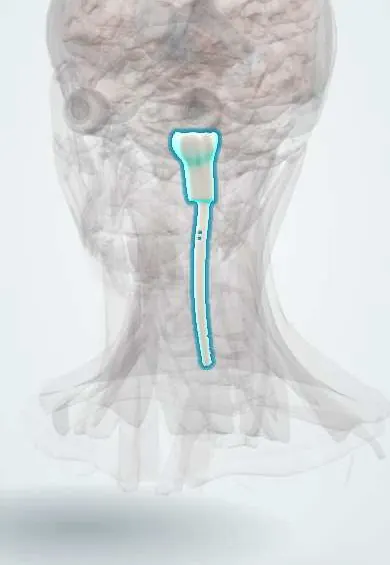
Representative model, for educational purposes only.