
Syndromic approach to sexually transmitted infections
When a lab result is not available the same day, STIs are treated by the pattern the patient presents with, covering the usual causes at the first visit.
What it is
A WHO-endorsed method, adopted by Colombia's STI guideline, that groups STIs into recognisable syndromes (urethral discharge, genital ulcer, vaginal discharge, lower abdominal pain, scrotal swelling, inguinal bubo) and treats the main causes of each at the first visit, with partner management, counselling and testing for HIV and syphilis.
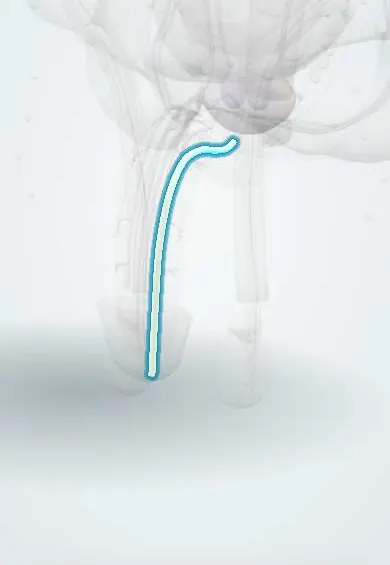
Who gets it
WHO estimates more than a million curable STIs are acquired every day worldwide; most are asymptomatic. In Colombia syphilis, including gestational and congenital syphilis, has been rising, and gonococcal resistance limits the drugs that still work. Syndromic care is used where testing is not available at the point of care; many services now combine it with rapid tests.
Causes
- Urethral discharge (men): Neisseria gonorrhoeae and Chlamydia trachomatis; when persistent, Trichomonas vaginalis or Mycoplasma genitalium
- Genital ulcer: syphilis (painless, indurated) and herpes simplex (painful, vesicles, recurrent) are the commonest; chancroid (painful, ragged, suppurating nodes), lymphogranuloma venereum and donovanosis are less frequent
- Vaginal discharge: usually vaginitis (bacterial vaginosis, candida, trichomonas); less often cervicitis from gonorrhoea or chlamydia
- Lower abdominal pain in a sexually active woman: pelvic inflammatory disease (gonorrhoea, chlamydia, mixed anaerobes)
- Scrotal swelling: epididymo-orchitis (gonorrhoea or chlamydia under 35; enteric bacteria in older men)
- Inguinal bubo: lymphogranuloma venereum or chancroid
Risk factors
- A new partner or several partners, condomless sex
- A partner with symptoms or a recent STI
- Adolescents and young adults, sex work, men who have sex with men
- Previous STI or HIV infection
- Alcohol or drug use before sex
Pathophysiology
Each organism has a favoured tissue → gonococcus and chlamydia infect columnar epithelium (urethra, endocervix, rectum) and cause discharge → they ascend through the cervix to the endometrium and tubes, producing pelvic inflammatory disease, or along the vas to the epididymis → Treponema, herpes and Haemophilus ducreyi break the squamous epithelium and produce ulcers with typical draining lymph nodes → vaginitis organisms alter the vaginal flora rather than infect the cervix → so a syndrome points to a short list of organisms, and treating that list at once cures most patients while waiting is avoided → any ulcer or mucosal inflammation multiplies HIV acquisition and transmission.
Classification
- Syndromic management: treat the main causes of the syndrome at the first visit, without a laboratory diagnosis
- Aetiological management: identify the organism (nucleic-acid amplification tests, microscopy, serology, PCR) and treat it specifically
- Combined approach: syndromic treatment plus rapid tests (syphilis, HIV) and confirmatory tests when available
- Screening of people without symptoms, which syndromic care cannot replace
Symptoms and signs
- Urethral discharge with burning on urination in men
- Genital, perianal or oral ulcer, painful or painless, with or without inguinal nodes
- Abnormal vaginal discharge, itching or odour
- Lower abdominal pain, pain during sex, abnormal bleeding
- Painful scrotal swelling
- A tender inguinal swelling (bubo)
Diagnosis
- Clinical
- Take a sexual history (partners, practices, condom use, last exposure), examine the genitals, inguinal nodes, mouth and skin, and perform a speculum and bimanual examination in women. Match the findings to a syndrome; then decide syndromic or aetiological treatment according to available tests.
- Tests
- Always offer rapid syphilis and HIV tests (and hepatitis B). Where available: nucleic-acid amplification tests for gonorrhoea and chlamydia (urine, vaginal, rectal or pharyngeal swabs), Gram stain of urethral discharge (intracellular gram-negative diplococci), vaginal pH, wet mount and whiff test for vaginitis, herpes PCR from an ulcer, pregnancy test in lower abdominal pain.
- Imaging
- Pelvic ultrasound if a tubo-ovarian abscess or ectopic pregnancy is suspected; scrotal Doppler ultrasound if torsion cannot be excluded clinically (without delaying surgery).
Differential diagnosis
- Urinary tract infection (dysuria without discharge)
- Non-infectious ulcers: fixed drug eruption, Behçet disease, trauma, cancer
- Physiological discharge or contact dermatitis
- Ectopic pregnancy, appendicitis, ovarian torsion or cyst in lower abdominal pain
- Testicular torsion or tumour in scrotal swelling
The syndromes: what to cover and when to switch to aetiological care
| Syndrome | Main causes | Syndromic cover (principle) | Pitfall / when to test instead |
|---|---|---|---|
| Urethral discharge | Gonorrhoea and chlamydia (often together) | Treat both at once: a cephalosporin-based anti-gonococcal agent plus an anti-chlamydial agent | Persistent discharge: think trichomonas or Mycoplasma genitalium; NAAT and culture for resistance |
| Genital ulcer | Syphilis, herpes; less often chancroid, LGV, donovanosis | Cover syphilis (benzathine penicillin) and add chancroid cover where prevalent; antiviral if vesicles or recurrent | Always do syphilis serology; herpes PCR if available |
| Vaginal discharge | Bacterial vaginosis, candida, trichomonas; less often cervicitis | Treat vaginitis by appearance and pH; add cervicitis cover only with risk or cervical signs | A poor predictor of cervical gonorrhoea and chlamydia: test with NAAT |
| Cervicitis | Chlamydia and gonorrhoea | Treat both, as for urethral discharge | Often silent: screening finds most cases |
| Lower abdominal pain | Pelvic inflammatory disease (gonorrhoea, chlamydia, anaerobes) | Low threshold: treat when there is cervical motion, uterine or adnexal tenderness | Pregnancy test first; rule out ectopic pregnancy and appendicitis |
| Scrotal swelling | Epididymo-orchitis from gonorrhoea or chlamydia | Cover both organisms in younger men; enteric bacteria in older men | Sudden severe pain in a young man: torsion until proved otherwise |
| Inguinal bubo | LGV, chancroid | Cover both; aspirate fluctuant nodes, do not incise | Look for a healed ulcer and test for syphilis and HIV |
Goal of treatment
Cure the patient at the first visit, break the chain of transmission through partner treatment, prevent complications (infertility, ectopic pregnancy, congenital syphilis) and use the visit to test for HIV and syphilis and to counsel.
Treatment
- Medical
- Syndromic treatment: a single visit, drugs covering the main causes of the syndrome, preferably observed single-dose treatment, following the national flowcharts (Colombia's STI clinical practice guideline).
- Medical
- Aetiological treatment wherever reliable same-day tests exist: treat the organism identified and avoid unnecessary antibiotics, which helps contain gonococcal resistance.
- Lifestyle
- Partner management: notify and treat recent sex partners (expedited partner therapy where permitted), no sex until both have finished treatment, condoms and counselling.
- Follow-up
- Rapid HIV and syphilis tests, hepatitis B vaccination and HPV vaccination where eligible; review if symptoms persist, and test for reinfection.
- Acute
- Refer urgently when red flags suggest ectopic pregnancy, a surgical abdomen, tubo-ovarian abscess or testicular torsion.
Complications
- Infertility, ectopic pregnancy and chronic pelvic pain after pelvic inflammatory disease
- Congenital syphilis and neonatal conjunctivitis or pneumonia
- Increased HIV acquisition and transmission
- Antibiotic resistance (especially gonococcus) from overtreatment or incomplete treatment
- Missed asymptomatic infection, the main weakness of syndromic care
Common traps
- Vaginal discharge means cervical gonorrhoea or chlamydia: most discharge is vaginitis; the vaginal discharge syndrome predicts cervical infection poorly, so test with NAAT where possible
- If the patient has no symptoms, there is no STI: most chlamydia and many gonococcal infections are silent, and the syndromic approach only treats people who present with a syndrome, so screening is still needed
- Treat only the urethral organism you see on Gram stain: gonorrhoea and chlamydia coexist often, so both are covered
- Lower abdominal pain in a young woman is PID until proved otherwise: a pregnancy test comes first, because ectopic pregnancy kills
- Treating the index patient is enough: without partner treatment, reinfection within weeks is the rule
Prognosis
Most bacterial and parasitic STIs are cured by correct treatment at the first visit when partners are also treated; herpes and HPV are controlled but persist. Reinfection is common without partner treatment.
Prevention
- Condoms and fewer concurrent partners
- Screening of people without symptoms: syphilis and HIV in every pregnancy, chlamydia and gonorrhoea in young women and men who have sex with men
- HPV and hepatitis B vaccination
- HIV PrEP visits used for regular STI testing
Test yourself
Think of the answer, then tap the question to see it.
Why does syndromic treatment of urethral discharge cover both gonorrhoea and chlamydia?
They cause the same syndrome, often coexist and cannot be separated clinically; one visit with cover for both cures most patients and prevents loss to follow-up.
What is the main weakness of the syndromic approach?
It misses asymptomatic infections and overtreats (for example cervicitis cover in simple vaginitis), feeding resistance; screening and aetiological tests complement it.
A 22-year-old woman has lower abdominal pain, discharge and cervical motion tenderness. What test comes before treating PID?
A pregnancy test, to exclude ectopic pregnancy; then treat PID on a low threshold and treat her partner.
A man has a single painless indurated genital ulcer and rubbery inguinal nodes. Most likely cause and the test always done?
Primary syphilis. Syphilis serology (rapid treponemal test plus a non-treponemal test), with an HIV test.
What does partner management include?
Notifying and treating recent partners, abstaining until both finish treatment, condoms, and offering HIV and syphilis testing.
Connections
Educational information, not medical advice. For any symptom, see a health professional.
Sources: Guía de Práctica Clínica para el abordaje sindrómico del diagnóstico y tratamiento de los pacientes con infecciones de transmisión sexual y otras infecciones del tracto genital (Ministerio de Salud y Protección Social (Colombia), 2013); Guidelines for the management of symptomatic sexually transmitted infections (World Health Organization, 2021); Sexually transmitted infections (STIs) (World Health Organization, 2026); Sexually Transmitted Infections (StatPearls (NCBI Bookshelf), 2024); Urethritis (StatPearls (NCBI Bookshelf), 2024); Vaginitis (StatPearls (NCBI Bookshelf), 2025).
Spotted a mistake?We are always improving for the community. Tell us what is wrong and our team will review it.Report a mistake
Representative model, for educational purposes only.