
Upper limb arterial disease
Arm arteries seldom narrow, so a cold, weak or painful hand usually has a specific cause: a clot from the heart, a rib pinching the artery, or vasculitis.
What it is
Narrowing, blockage or embolism of the arteries from the subclavian to the digital arteries. Unlike the legs, the arms are seldom affected by ordinary atherosclerosis, so the causes form a short, distinct list: proximal subclavian stenosis (often with steal), arterial thoracic outlet compression, emboli (mostly from the heart) and large-vessel vasculitis such as Takayasu arteritis.
Who gets it
Much less common than leg arterial disease: only about 2–18% of episodes of acute limb ischaemia involve the arm. Atherosclerosis of the arm affects mostly the proximal left subclavian artery. Arterial thoracic outlet syndrome is the rarest form of thoracic outlet syndrome and is usually seen in young adults who do repetitive overhead activity. Takayasu arteritis is rare, mostly affects women (about 8 women per man) and usually starts between 15 and 30 years of age.
Causes
- Atherosclerotic stenosis or occlusion of the subclavian (especially the left, near its origin) or brachiocephalic artery
- Arterial thoracic outlet syndrome: an anomalous first rib, cervical rib or fibrous band damages the subclavian artery, causing stenosis, a post-stenotic aneurysm and thrombus that embolises to the hand
- Embolism, most often from the heart (atrial fibrillation and other sources of mural thrombus); also from a subclavian aneurysm or aortic plaque
- Large-vessel vasculitis, above all Takayasu arteritis in young women
- Trauma: open injury of the brachial artery, or repeated blows to the ulnar side of the palm (hypothenar hammer syndrome)
- Secondary Raynaud phenomenon, most often from rheumatic (connective tissue) disease
Risk factors
- Smoking, diabetes, hypertension and dyslipidaemia (atherosclerosis)
- Atrial fibrillation and other cardiac sources of embolus
- Cervical rib or first-rib anomaly, overhead sports or work
- Young female sex with systemic symptoms (Takayasu arteritis)
Pathophysiology
A slowly developing proximal blockage often causes only arm fatigue with exercise, while a sudden embolus blocks an artery abruptly and threatens the hand. A proximal subclavian lesion before the vertebral origin can reverse vertebral flow when the arm works (steal). In arterial thoracic outlet syndrome, repeated compression at the base of the scalene triangle damages the wall; the dilated segment beyond the compression fills with thrombus that showers small emboli into the hand and fingers. In Takayasu arteritis, wall inflammation causes stenosis, occlusion, dilation or aneurysms of the aorta and its branches.
Classification
- Acute ischaemia: embolism or thrombosis, a limb-threatening emergency
- Chronic proximal occlusive disease: subclavian or brachiocephalic stenosis, with or without steal
- Compression disease: arterial thoracic outlet syndrome
- Inflammatory disease: large-vessel vasculitis (Takayasu arteritis)
- Distal (hand and finger) disease, including secondary Raynaud phenomenon
Symptoms and signs
- Arm fatigue, aching or cramping with use (arm claudication), worse with the arm raised
- Sudden pain, coldness, pallor, numbness or weakness of the hand or arm (acute ischaemia)
- Colour changes or blanching of one hand, often unilateral, with finger ulcers or necrosis (emboli)
- Dizziness or other brainstem symptoms when the arm is exercised (subclavian steal)
- Fever, fatigue, weight loss and neck or arm pain in Takayasu arteritis
Diagnosis
- Clinical
- Feel and compare both radial, brachial and subclavian pulses, measure blood pressure in both arms (and the legs in suspected vasculitis), listen for bruits above the clavicle and over the brachial arteries, and examine the fingers for ulcers and necrosis. Look for a cardiac source in acute ischaemia, and repeat the pulse examination with the arm raised and abducted when thoracic outlet compression is suspected.
- Tests
- ECG for atrial fibrillation in any arm embolism; inflammatory markers in suspected vasculitis (nonspecific; the disease can progress even when they suggest remission); autoimmune tests when small-artery hand disease or Raynaud phenomenon is part of the picture.
- Imaging
- Duplex ultrasound first, including flow during arm-raising manoeuvres for thoracic outlet compression. CT angiography (with the chest included to show cervical or first-rib anomalies) or MR angiography defines the level and cause; MR angiography is often preferred in young women with suspected Takayasu arteritis. Echocardiography looks for a cardiac source of emboli.
Differential diagnosis
- Primary Raynaud phenomenon (symmetric, triggered by cold or stress, normal pulses)
- Cervical radiculopathy or neurogenic thoracic outlet syndrome (pain and tingling without ischaemia)
- Venous thoracic outlet syndrome
- Carpal tunnel syndrome
- Complex regional pain syndrome
Ischaemic arm or hand: which cause?
| Cause | Typical patient | Level and clue | Key test |
|---|---|---|---|
| Atherosclerotic subclavian stenosis | Older smoker with vascular risk factors | Proximal (often left); lower pressure in that arm, supraclavicular bruit, possible steal | Arm pressures in both arms, duplex, CT angiography |
| Arterial thoracic outlet syndrome | Young adult, overhead activity, cervical or abnormal first rib | Subclavian at the first rib; aneurysm with emboli to the hand, symptoms with the arm raised | Duplex with arm manoeuvres, CT angiography including the chest |
| Embolism | Older patient, often in atrial fibrillation | Sudden onset; often the brachial bifurcation; hand cold and pale | ECG and duplex at once; echocardiography for the source |
| Takayasu arteritis | Young woman (onset usually 15–30 years), fever and fatigue | Stenoses or occlusions of the subclavian and other aortic branches; unequal pulses and pressures, bruits | Inflammatory markers, MR or CT angiography |
| Primary Raynaud phenomenon (mimic) | Young woman, both hands | Episodic white-blue-red colour change with cold or stress; normal pulses, no ulcers | Clinical; tests for a secondary cause if atypical |
Goal of treatment
Save the hand when ischaemia is acute, remove the source of emboli, and treat the cause (atherosclerosis, compression or inflammation) of chronic disease.
Treatment
- Acute
- Acute arm ischaemia: anticoagulation and urgent vascular surgery assessment; embolectomy (catheter or surgical) or catheter-directed thrombolysis depending on the site, severity and patient.
- Medical
- Atherosclerotic disease: stopping smoking, antiplatelet therapy, statins and control of blood pressure and diabetes; long-term anticoagulation when the embolus came from atrial fibrillation.
- Procedure
- Symptomatic subclavian stenosis or occlusion: endovascular or surgical revascularisation (details on the subclavian steal page).
- Surgical
- Arterial thoracic outlet syndrome: decompression (removal of the cervical rib and resection of the first rib), repair of the damaged subclavian artery or aneurysm with a bypass, and treatment of distal emboli, sometimes in stages.
- Medical
- Takayasu arteritis: glucocorticoids, often with a second immunosuppressant or biological agent; a bypass to disease-free sites when ischaemia persists despite drugs, since angioplasty and stents restenose often.
Complications
- Loss of fingers or hand from acute ischaemia or repeated emboli
- Chronic arm claudication and weakness, muscle wasting
- Posterior circulation ischaemic symptoms or syncope with arm use (steal)
- Underestimated blood pressure when measured on the affected arm
- Restenosis after angioplasty or stenting, especially in vasculitis
Common traps
- A pale, blanching hand is Raynaud phenomenon: one-sided attacks with claudication, weakness or finger ulcers point to emboli from a proximal source such as arterial thoracic outlet syndrome; image the subclavian
- Arm ischaemia behaves like leg PAD: atherosclerosis seldom affects the arm beyond the proximal subclavian, so a distal arm blockage needs a cause (embolus, compression, vasculitis)
- An arm embolus needs only an embolectomy: the heart is the usual source, so an ECG and echocardiogram look for atrial fibrillation or thrombus, and anticoagulation follows
- Blood pressure in one arm is the patient's blood pressure: a stenosed subclavian under-reads; measure both arms (and the legs in vasculitis) and follow the unaffected limb
- Decompression alone fixes arterial thoracic outlet syndrome: once the artery is damaged (stenosis, aneurysm, thrombus) it also needs arterial repair, and distal emboli need treatment
Prognosis
Acute embolism threatens the hand but usually responds to prompt revascularisation; the outlook then depends on the heart disease that caused it. Chronic subclavian disease often causes only fatigue with arm use. Arterial thoracic outlet syndrome does well when treated before repeated emboli destroy the hand's small arteries; late diagnosis can leave lasting disability.
Prevention
- Recognising and treating atrial fibrillation
- Stopping smoking and treating vascular risk factors
- Early imaging of the subclavian in young people with one-sided hand ischaemia
- Measuring blood pressure in both arms at a first visit
Test yourself
Think of the answer, then tap the question to see it.
A 74-year-old woman has a sudden cold, painful right hand with weak brachial and radial pulses. What cause and first tests?
An embolus, most often from the heart. ECG for atrial fibrillation, duplex ultrasound, and urgent vascular assessment, then echocardiography for the source.
Why do unilateral Raynaud-like attacks with finger ulcers in a young weightlifter need subclavian imaging?
They suggest arterial thoracic outlet syndrome: a damaged subclavian aneurysm at the first or cervical rib throwing emboli into the hand.
Which arm artery is most often affected by atherosclerosis?
The proximal subclavian artery, especially the left near its origin.
In suspected Takayasu arteritis, why measure blood pressure in all four limbs?
Subclavian stenoses lower arm readings and can hide hypertension; comparing limbs shows the narrowing and the true pressure.
What treatments does arterial thoracic outlet syndrome need besides rib resection?
Repair or bypass of the damaged subclavian artery or aneurysm, and treatment of distal emboli, sometimes in stages.
Connections
Educational information, not medical advice. For any symptom, see a health professional.
Sources: Peripheral Artery Disease (MSD Manual Professional Edition, 2025); Takayasu Arteritis (MSD Manual Professional Edition, 2025); A case of misdiagnosed arterial thoracic outlet syndrome as primary Raynaud's phenomenon (Journal of Vascular Surgery Cases, Innovations and Techniques, 2024); Acute Upper Extremity Ischemia Due to Cardioembolism From Undiagnosed Atrial Fibrillation (Cureus, 2022).
Spotted a mistake?We are always improving for the community. Tell us what is wrong and our team will review it.Report a mistake
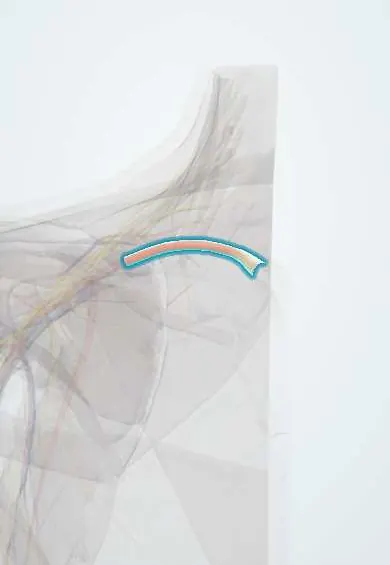
Representative model, for educational purposes only.