
Late-life depression
Depression in people over about 65. It often shows as tiredness, pain, poor sleep or memory complaints rather than sadness, and it responds to treatment.
What it is
A depressive disorder (major depression or a persistent, milder form) occurring in older adults, whether a first episode after about age 60 to 65 (late-onset) or the recurrence of an illness that began earlier. It is not a normal part of ageing.
Who gets it
Major depression affects a few percent of older adults living in the community, but clinically important depressive symptoms are far more common: roughly 1 in 7 in primary care and higher still in hospital, in nursing homes and after stroke or heart disease. Older men have the highest suicide rate of any group in many countries, including Latin America.
Causes
- Vascular brain changes: small-vessel disease of the frontal-subcortical circuits (vascular depression)
- Neurodegenerative disease: early Alzheimer, Parkinson and Lewy body disease, in which depression can be a first sign
- Medical illness and disability: stroke, heart disease, diabetes, cancer, chronic pain, hearing or visual loss
- Medicines: corticosteroids, some beta-blockers, interferon, benzodiazepines and other sedatives
- Psychosocial losses: bereavement, retirement, loneliness, caregiving burden and loss of independence
- Genetic and personality vulnerability, more important in early-onset recurrent illness
Risk factors
- Female sex, though older men have more completed suicides
- Prior episodes of depression
- Bereavement, social isolation and living alone
- Multimorbidity, chronic pain and functional disability
- Cerebrovascular disease and cognitive impairment
- Insomnia
- Alcohol misuse and polypharmacy
Pathophysiology
Ageing lowers the brain's reserve → small-vessel disease leaves white-matter lesions that cut the frontal-subcortical circuits (prefrontal cortex to striatum and limbic system) → drive, speed and executive control fall, giving apathy, slowing and poor planning (vascular depression) → chronic inflammation and an overactive hypothalamic-pituitary-adrenal axis raise cortisol, which shrinks the hippocampus → mood regulation and memory weaken further. Illness, pain, disability and loss then act on this reduced reserve, so an episode starts more easily and resolves more slowly. The same brain changes overlap with those of dementia, which is why late-onset depression can be an early sign of it.
Classification
- By course: early-onset recurrent versus late-onset (first episode after about 60 to 65)
- By DSM-5 type: major depressive disorder, persistent depressive disorder, or depression due to another medical condition or a substance
- Clinical subtypes: depression-executive dysfunction syndrome (vascular depression), psychotic depression, depression with anxiety
- Subthreshold (minor) depression: fewer symptoms but similar disability
Symptoms and signs
- Loss of interest or pleasure, sometimes more than a sad mood ("depression without sadness")
- Fatigue, poor sleep, low appetite and weight loss
- Somatic complaints: pain, constipation, dizziness
- Slowed thinking, poor concentration and memory complaints
- Apathy, withdrawal and neglect of self-care or medicines
- Hopelessness, guilt or feeling a burden
- Anxiety and irritability
Diagnosis
- Clinical
- Interview based on DSM-5 criteria, asking directly about interest, mood and suicidal thoughts and talking to family. Screening with the PHQ-2 or PHQ-9, or the Geriatric Depression Scale, which leans less on bodily symptoms; the Cornell Scale for Depression in Dementia when cognition is impaired. A cognitive screen is done because depression and dementia overlap.
- Tests
- To find reversible contributors: complete blood count, electrolytes and calcium, glucose, kidney and liver tests, thyroid function, vitamin B12 and folate; others (syphilis, HIV) by history. A medication review looks for drugs that cause low mood.
- Imaging
- Brain CT or MRI with late onset, atypical features, focal signs or marked cognitive decline; it often shows white-matter hyperintensities.
Differential diagnosis
- Dementia or mild cognitive impairment (and depression as an early sign of it)
- Delirium, especially the hypoactive form
- Normal grief or prolonged grief disorder
- Apathy from frontal or subcortical disease
- Hypothyroidism, anaemia, hypercalcaemia or cancer
- Medication or alcohol effects
- Bipolar depression
Slowed, forgetful and withdrawn: depression or a look-alike?
| Condition | Onset and course | Attention | Typical clue |
|---|---|---|---|
| Late-life depression | Weeks to months; often a datable start | Normal alertness; poor effort | Complains of memory loss, answers "I don't know", loss of interest and hope |
| Dementia | Insidious over months to years, progressive | Alert; attention kept until late | Unaware of or minimises deficits; tries but answers wrongly |
| Delirium | Hours to days; fluctuates during the day | Inattentive; altered level of consciousness | An acute cause: infection, drugs, retention, dehydration |
| Hypothyroidism | Gradual | Slowed but alert | Cold intolerance, weight gain, constipation, dry skin; high TSH |
| Grief and prolonged grief disorder | After a death; comes in waves | Normal | Yearning for the person who died; self-worth kept; prolonged if it disables beyond 12 months |
Goal of treatment
Full remission, restored function and no suicide, using treatments that respect frailty, other illnesses and drug interactions; then prevention of relapse.
Treatment
- Medical
- First-line antidepressants are selective serotonin reuptake inhibitors such as sertraline or escitalopram; alternatives are mirtazapine (helpful with poor sleep and appetite), bupropion or a serotonin-norepinephrine reuptake inhibitor. Start low, go slow, but reach a full dose: response can take longer than in younger adults.
- Medical
- Tricyclic antidepressants and paroxetine are avoided because of anticholinergic, cardiac and fall risks. Watch for hyponatraemia, bleeding with antiplatelet drugs and falls with any antidepressant; augmentation or lithium is guided by a psychiatrist.
- Conservative
- Psychotherapy works as well as medicines for mild to moderate depression: problem-solving therapy, cognitive behavioural therapy, interpersonal therapy and behavioural activation, alone or combined with a medicine.
- Procedure
- Electroconvulsive therapy for severe, psychotic or treatment-resistant depression and for refusal to eat or drink; it is effective and safe in older adults. Repetitive transcranial magnetic stimulation is an option in some centres.
- Lifestyle
- Physical activity, social contact, treating hearing and vision loss, sleep hygiene and reducing alcohol all support recovery.
- Follow-up
- Collaborative care in primary care with follow-up of symptoms by scale; suicide-risk review at each visit and safe storage of medicines and firearms. After remission, continuing treatment for at least a year (longer after recurrences) prevents relapse.
Complications
- Suicide
- Greater disability, frailty and falls
- Worse outcomes of heart disease, stroke and diabetes, and higher mortality
- Malnutrition and dehydration
- Faster cognitive decline and higher dementia risk
- Caregiver burden and nursing-home placement
Common traps
- Low mood is a normal part of ageing: depression is not normal at any age; most older adults are content, and persistent loss of interest or hope needs assessment and treatment
- No sadness means no depression: older adults often report fatigue, pain, poor sleep or memory problems instead; ask about loss of interest and hopelessness
- Memory complaints in an older adult mean dementia: depression slows thinking and attention and can mimic it; the person complains of poor memory, gives up on tests and improves with treatment (though late-onset depression also raises later dementia risk)
- Asking about suicide may plant the idea: asking directly does not raise risk; older men have the highest suicide rates, and many see a doctor in the weeks before
- Older adults should stay on small antidepressant doses: start low and go slow, but continue to a full therapeutic trial; under-treatment is a common cause of apparent non-response
Prognosis
Most older adults respond to treatment, but response is slower and relapse is more common than in younger adults, especially with executive dysfunction, vascular disease or cognitive impairment. Continued treatment lowers relapse risk.
Test yourself
Think of the answer, then tap the question to see it.
Why can late-life depression be missed in a primary-care visit?
Older adults often report fatigue, pain, poor sleep or memory problems instead of sadness, and both they and clinicians may attribute these to ageing or physical illness.
What is the "vascular depression" hypothesis?
Small-vessel white-matter disease disrupts frontal-subcortical circuits, giving late-onset depression with apathy, slowing and executive dysfunction and a poorer response to antidepressants.
Which antidepressant classes are usually avoided in older adults, and why?
Tricyclics and paroxetine: strong anticholinergic effects (confusion, constipation, urinary retention), orthostatic hypotension, cardiac conduction effects and falls.
When is electroconvulsive therapy considered in an older adult with depression?
In severe, psychotic or treatment-resistant depression, high suicide risk, or refusal of food and fluids; it works quickly and is safe in older adults.
A 78-year-old widower has lost weight and sleeps badly; he says he is "just tired" and forgetful, and gives up on memory tests. Thyroid tests are normal. What is likely, and what must you ask?
Late-life depression without sadness: memory complaints with poor effort suggest depression rather than dementia. Ask directly about loss of interest, hopelessness and suicidal thoughts; older widowed men carry the highest risk.
In behavioral science
- Depression with psychotic features
- Anticipatory guidance for older adults: screening, counselling and driving safety
In neurology
- The dementias you can treat: B12, thyroid, syphilis, NPH, depression
- Mild cognitive impairment and screening tests
- Normal neurological ageing or disease? What an older nervous system may do
- Small vessel disease: the silent strokes
Connections
Educational information, not medical advice. For any symptom, see a health professional.
Sources: Late-Life Depression (StatPearls (NCBI Bookshelf), 2023); Suicide: Assessment and Management (StatPearls (NCBI Bookshelf), 2026); Guía de Práctica Clínica (GPC) Detección temprana y diagnóstico del episodio depresivo y trastorno depresivo recurrente en adultos. Atención integral de los adultos con diagnóstico de episodio depresivo o trastorno depresivo recurrente (Ministerio de Salud y Protección Social de Colombia, 2013).
Spotted a mistake?We are always improving for the community. Tell us what is wrong and our team will review it.Report a mistake
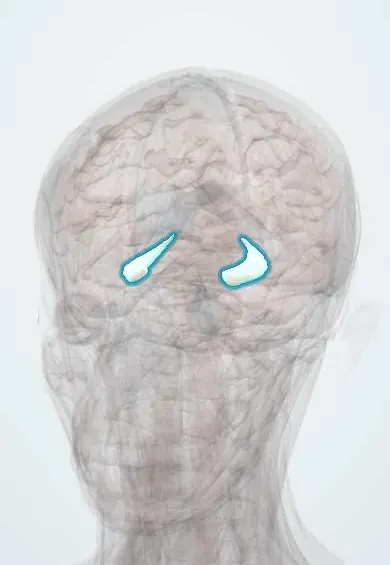
Representative model, for educational purposes only.