
Orthostatic hypotension
Blood pressure that drops on standing, causing dizziness, blurred vision or falls. Common in older adults; medicine review and slow position changes help.
What it is
A sustained fall in blood pressure of at least 20 mmHg systolic or 10 mmHg diastolic within 3 minutes of standing (or of head-up tilt). It is a physical sign that may cause symptoms or none, and a marker of risk.
Who gets it
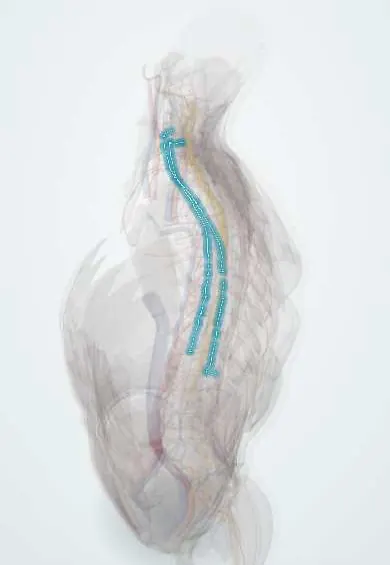
Present in about 1 in 5 people over 65 living in the community and in more than half of frail nursing-home residents. It is a common cause of falls and of syncope in older adults and is very frequent in Parkinson disease, multiple system atrophy and diabetes.
Causes
- Medicines (the most common reversible cause): alpha-blockers, diuretics, nitrates, vasodilators, antihypertensives, tricyclic antidepressants, antipsychotics, dopaminergic drugs and opioids
- Volume depletion: dehydration, vomiting, diarrhoea, bleeding
- Neurogenic: Parkinson disease, multiple system atrophy, Lewy body dementia, pure autonomic failure
- Autonomic neuropathy: diabetes, amyloidosis, alcohol, vitamin B12 deficiency
- Cardiac: heart failure, aortic stenosis, arrhythmias
- Prolonged bed rest, adrenal insufficiency and anaemia
Risk factors
- Age over 65 and frailty
- Multiple blood-pressure-lowering or psychoactive medicines
- Supine hypertension
- Diabetes and kidney disease
- Neurodegenerative disease
- Low fluid intake, heat, large carbohydrate meals and alcohol
Pathophysiology
Standing → about half a litre of blood pools in the legs and splanchnic veins → venous return and cardiac output fall → baroreceptors in the carotid sinus and aortic arch sense the drop and signal the medulla → sympathetic outflow rises (noradrenaline constricts vessels and speeds the heart) and vagal tone falls, restoring pressure within seconds. The chain breaks in three places: too little volume (dehydration, bleeding), drugs that block the response (alpha-blockers, vasodilators, diuretics), or autonomic failure, in which nerves release too little noradrenaline, so vessels do not constrict and the heart rate barely rises. Ageing itself blunts baroreceptor sensitivity and the heart-rate response, which leaves older adults closer to the edge.
Classification
- Classic: within 3 minutes of standing
- Initial: a brief drop in the first 15 seconds that recovers
- Delayed: after 3 minutes, often an early autonomic failure
- Neurogenic (autonomic failure, small heart-rate rise) versus non-neurogenic (drugs, volume loss, heart disease; compensatory tachycardia)
- Symptomatic or asymptomatic
Symptoms and signs
- Light-headedness or dizziness on standing, after meals or after exertion
- Blurred or greying vision
- Weakness, fatigue and slowed thinking
- Neck and shoulder ache ("coat-hanger" pain)
- Falls and fainting
- Often no symptoms at all
Diagnosis
- Clinical
- Measure blood pressure and heart rate after 5 minutes lying down, then at 1 and 3 minutes standing; a rise in heart rate under about 15 beats per minute points to a neurogenic cause. Ask about medicines, fluids, meals and falls; examine for parkinsonism, neuropathy and heart murmurs.
- Tests
- Head-up tilt-table testing when bedside testing is inconclusive or delayed hypotension is suspected. Blood count, electrolytes, glucose, kidney function, vitamin B12 and morning cortisol as indicated; electrocardiogram; 24-hour ambulatory blood pressure for supine hypertension; formal autonomic testing in specialist centres.
- Imaging
- Echocardiography if structural heart disease is suspected; brain MRI only if a neurodegenerative or structural cause is being investigated.
Differential diagnosis
- Vasovagal (reflex) syncope
- Cardiac arrhythmia or structural heart disease
- Postural orthostatic tachycardia syndrome
- Postprandial hypotension
- Vestibular vertigo
- Hypoglycaemia
- Carotid sinus hypersensitivity
Dizzy or falling on standing: which one?
| Condition | Timing | Heart rate on standing | Key clue |
|---|---|---|---|
| Non-neurogenic orthostatic hypotension | Within 3 minutes of standing | Rises briskly (compensation) | Drugs, dehydration or bleeding; corrects with the cause |
| Neurogenic orthostatic hypotension | Within 3 minutes, or delayed | Barely rises (under about 15 beats per minute) | Parkinson disease, diabetes, multiple system atrophy; supine hypertension |
| Postural orthostatic tachycardia syndrome | On standing | Rises by 30 beats per minute or more without a fall in pressure | Mostly young women; palpitations and fatigue |
| Reflex (vasovagal) syncope | Prolonged standing, heat, pain or emotion | Slows after a prodrome | Nausea, sweating and warmth first; quick recovery lying down |
| Cardiac syncope | Any posture, on exertion or lying down | Very slow, very fast or irregular | Palpitations, chest pain, a murmur or an abnormal ECG; a red flag |
Goal of treatment
Reduce symptoms, falls and syncope and keep the person active, rather than normalising the standing blood pressure; avoid worsening supine hypertension.
Treatment
- Conservative
- Review and reduce or stop the culprit medicines (alpha-blockers, diuretics, nitrates, sedatives, anticholinergic and dopaminergic drugs where possible), correct dehydration and anaemia, and treat the cause.
- Lifestyle
- Stand up slowly in stages, sit on the bed edge first; drink enough fluid (a rapid water drink before rising helps), use salt liberally if the heart and kidneys allow, eat smaller, low-carbohydrate meals, avoid heat and alcohol, sleep with the head of the bed raised, use waist-high compression or abdominal binders and counter-manoeuvres (leg crossing, squatting).
- Medical
- Midodrine (an alpha-agonist) raises standing blood pressure; it is taken during the day and not near bedtime because of supine hypertension.
- Medical
- Droxidopa (a noradrenaline precursor) for neurogenic orthostatic hypotension; fludrocortisone expands volume but causes hypokalaemia, oedema and supine hypertension, so it is used with caution in older adults. Pyridostigmine is an option in mild cases.
- Follow-up
- Repeat orthostatic measurements after each change; monitor supine blood pressure, electrolytes and falls; fall-prevention assessment and physiotherapy.
Complications
- Falls and fractures
- Syncope and injury
- Cognitive impairment and dementia (association)
- Stroke, coronary disease and heart failure (association) and higher mortality
- Supine hypertension and its organ damage in neurogenic forms
Common traps
- Orthostatic hypotension always causes dizziness: many older adults have no symptoms and present with falls, fatigue or slowed thinking; measure lying and standing pressures in anyone who falls
- Sitting and then standing measurements are enough: have the person lie for 5 minutes, then measure at 1 and 3 minutes of standing; delayed forms appear after 3 minutes and need longer standing or a tilt test
- A big heart-rate rise on standing points to autonomic failure: it is the opposite; in neurogenic forms the heart rate barely rises (under about 15 beats per minute), while volume loss and drugs give a compensatory tachycardia
- The goal is a normal standing blood pressure: the goal is fewer symptoms and falls; pushing pressure up worsens supine hypertension, especially at night
- Adding a pressor is the first step: the first step is removing culprit drugs (alpha-blockers, diuretics, nitrates, sedatives) and correcting volume
Prognosis
Drug-induced and volume-related forms often resolve when the cause is corrected. Neurogenic orthostatic hypotension is usually chronic and progressive, and its outlook depends on the underlying disease.
Test yourself
Think of the answer, then tap the question to see it.
How is orthostatic hypotension defined?
A sustained fall of at least 20 mmHg systolic or 10 mmHg diastolic within 3 minutes of standing or head-up tilt.
Which bedside finding suggests a neurogenic cause?
A small heart-rate rise on standing (under about 15 beats per minute) despite the drop in blood pressure, showing failure of the sympathetic reflex.
What is the most common reversible cause in older adults?
Medicines, such as alpha-blockers, diuretics, nitrates, other antihypertensives, antidepressants, antipsychotics and dopaminergic drugs.
Why is midodrine not taken near bedtime?
It raises blood pressure for several hours and can cause severe supine hypertension while the person lies in bed.
A 76-year-old with Parkinson disease falls on rising at night. Lying 160/90 mmHg; standing (3 min) 125/75; heart rate 70 then 74. What does this show, and what must treatment avoid?
Neurogenic orthostatic hypotension: a 35 mmHg systolic drop with almost no heart-rate rise. Treatment must not worsen his supine hypertension: no pressor near bedtime, head of the bed raised, and a review of culprit drugs.
In family medicine
- Polypharmacy and deprescribing in primary care
- Following stable chronic disease and changing treatment over time
In emergency medicine
In neurology
- Autonomic failure: fainting on standing, bladder and sweat
- Parkinson disease over the years: fluctuations, falls, psychosis
- Normal neurological ageing or disease? What an older nervous system may do
- Was it a seizure? Syncope, seizure or functional attack
Connections
In physiology12
- The baroreceptor reflex
- The response to standing up
- Blood pressure control on three time scales: seconds, minutes and days
- Peripheral venous pressure, gravity and the blood reservoirs
- Physiology of ageing: organ by organ, and what it changes at the bedside
- Physiology of the vital signs (including blood pressure measurement)
- Aviation and space physiology
- Acceleration forces: positive, negative and linear G
- The autonomic nervous system: organization
- Sympathetic and parasympathetic effects on each organ
- Spinal shock and the isolated cord
- Autonomic tone and denervation supersensitivity
Educational information, not medical advice. For any symptom, see a health professional.
Sources: Orthostatic Hypotension (StatPearls (NCBI Bookshelf), 2025); Syncope (StatPearls (NCBI Bookshelf), 2025).
Spotted a mistake?We are always improving for the community. Tell us what is wrong and our team will review it.Report a mistake
Representative model, for educational purposes only.