
The solid organ transplant recipient: infections, cancer and drug interactions
Transplant drugs that protect the organ also weaken defences against germs and cancer and clash with many common medicines. Any doctor may meet these patients.
What it is
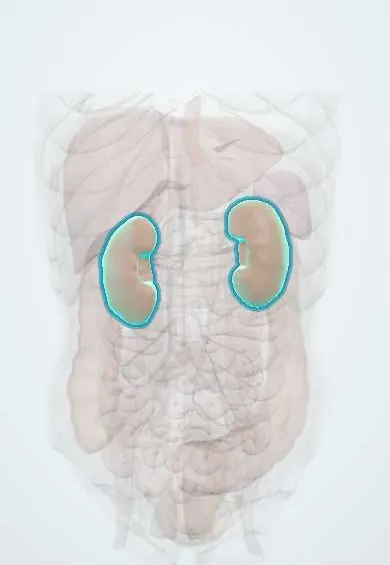
The problems shared by people living with a kidney, liver, heart, lung or pancreas transplant that come from lifelong immunosuppression rather than from the organ itself: infections that follow a predictable timeline, a higher risk of some cancers (above all skin cancer and lymphoma), and interactions between immunosuppressants and other drugs. They often present first to a general practitioner, emergency doctor or general surgeon.
Who gets it
The number of people living with a transplant grows every year as survival improves; kidney and liver transplants are the most common. Infection is a leading cause of death in the first year and cancer an important cause later; skin squamous cell carcinoma is many times more frequent than in the general population. Colombia has an established national donation and transplant network coordinated by the Instituto Nacional de Salud, and most recipients live far from transplant centres, so local doctors manage much of their day-to-day care. Chagas disease, tuberculosis and Strongyloides are particularly relevant in Colombian donors and recipients.
Causes
- Immunosuppressive drugs: calcineurin inhibitors (tacrolimus, ciclosporin), antimetabolites (mycophenolate, azathioprine), mTOR inhibitors (sirolimus, everolimus), corticosteroids and induction antibodies
- Donor-derived infection carried in the organ (cytomegalovirus, Epstein–Barr virus, Chagas, tuberculosis, bacteria)
- Reactivation of the recipient's latent infections (herpes viruses, tuberculosis, Strongyloides, hepatitis B)
- Hospital and surgical exposures in the early period
- Oncogenic viruses under reduced immune surveillance (Epstein–Barr virus, human herpesvirus 8, human papillomavirus) and ultraviolet light
Risk factors
- Recent transplantation (first six to twelve months) or recent treatment of rejection with intensified immunosuppression
- Cytomegalovirus or Epstein–Barr virus mismatch: seropositive donor and seronegative recipient
- Prophylaxis that has just been stopped (late-onset cytomegalovirus disease)
- Fair skin, high sun exposure and previous skin cancer
- Lung, intestinal and heart transplants, and children (higher risk of lymphoproliferative disorder)
- New drugs started without checking interactions, including antibiotics, antifungals and herbal products
- Long-term corticosteroids (adrenal suppression, poor wound healing, masked signs)
Pathophysiology
Immunosuppressants block T-cell activation and proliferation to prevent rejection → cell-mediated immunity weakens → latent viruses, intracellular bacteria, fungi and parasites that T cells normally contain reactivate or invade → corticosteroids also blunt fever and peritoneal signs, so infection looks milder than it is. Over years, impaired immune surveillance lets virus-driven and ultraviolet-damaged cells escape → skin squamous cell carcinoma, Epstein–Barr virus-driven B-cell lymphoproliferation (post-transplant lymphoproliferative disorder), Kaposi sarcoma and anogenital cancers. Most calcineurin and mTOR inhibitors are cleared by the liver enzyme CYP3A4 and the transporter P-glycoprotein → drugs that inhibit them raise levels (toxicity: kidney injury, tremor, high potassium) and drugs that induce them lower levels (rejection).
Classification
- Infections by time since transplant: first month (surgical and hospital, donor-derived); about one to six months (opportunistic); beyond six to twelve months (mostly community-acquired, plus late opportunists in the heavily immunosuppressed)
- Cancers: skin (squamous more than basal cell carcinoma), post-transplant lymphoproliferative disorder, Kaposi sarcoma, anogenital and cervical cancer, kidney cancer in native kidneys, recurrence of a pre-transplant cancer
- Drug interactions: raising immunosuppressant levels (CYP3A4 or P-glycoprotein inhibitors), lowering levels (inducers), additive toxicity (kidney, potassium, bone marrow)
- Drug toxicity of immunosuppressants: kidney injury, hypertension, diabetes, tremor, high potassium and low magnesium (calcineurin inhibitors); low blood counts and diarrhoea (antimetabolites); poor wound healing and mouth ulcers (mTOR inhibitors)
Symptoms and signs
- Fever, often low or absent even with serious infection
- Cough or breathlessness with few chest signs (Pneumocystis, cytomegalovirus, fungal or tuberculous pneumonia)
- Diarrhoea (cytomegalovirus colitis, Clostridioides difficile, drug side effect)
- Headache, confusion or fever (Listeria, Cryptococcus, Toxoplasma)
- New or fast-growing skin lesions, often on sun-exposed skin
- Lymph node enlargement, weight loss, night sweats or a mass (lymphoproliferative disorder)
- Tremor, rising creatinine or high potassium after a new medicine (drug interaction)
Diagnosis
- Clinical
- Ask the questions that define risk: which organ, when it was transplanted, current immunosuppressants and any recent change, recent rejection treatment, prophylaxis taken or stopped, donor and recipient cytomegalovirus status if known, travel, exposures and sun history. Examine the graft, skin, lymph nodes, mouth and any lines or wounds. Contact the transplant team early.
- Tests
- Full blood count, kidney and liver function, electrolytes including potassium and magnesium, and trough immunosuppressant levels. Blood and urine cultures, and site-directed tests: cytomegalovirus and Epstein–Barr virus viral load, Clostridioides difficile stool testing, sputum or bronchoscopy samples for Pneumocystis, fungi and tuberculosis, and cryptococcal antigen or lumbar puncture when there are neurological signs. Biopsy of skin lesions or lymph nodes.
- Imaging
- Low threshold for imaging because examination is unreliable: chest X-ray and often chest CT for respiratory symptoms; ultrasound with Doppler of the graft; CT of the abdomen for pain; brain MRI or CT for neurological signs; CT or PET-CT when a lymphoproliferative disorder is suspected.
Differential diagnosis
- Acute rejection (fever, graft dysfunction)
- Calcineurin inhibitor toxicity
- Drug fever or drug-induced cytopenias
- Adrenal insufficiency in long-term steroid users
- Recurrence of the original disease in the graft
- Ordinary community infection in a stable, late recipient
Fever after transplantation: what to think of, by time since the operation
| Time since transplant | Main driver | Typical infections | What it changes |
|---|---|---|---|
| First month | Surgery and hospital stay, donor organ | Wound and anastomotic infection, line infection, urinary infection, hospital pneumonia, Clostridioides difficile, donor-derived infection | Treat like any postoperative patient; look at the operation site |
| About 1–6 months | Peak immunosuppression | Cytomegalovirus, Pneumocystis, Listeria, Nocardia, Toxoplasma, fungi, reactivated tuberculosis, BK virus (kidney) | Think opportunists; check whether prophylaxis is being taken |
| After 6–12 months, stable | Lower maintenance immunosuppression | Community infections: respiratory viruses, pneumonia, urinary infection; shingles | Usual treatment, but watch drug interactions |
| Any time after rejection treatment | Immunosuppression turned back up | The opportunists of months 1–6 return; late cytomegalovirus after prophylaxis stops | Treat as an early, high-risk recipient |
Goal of treatment
Recognise infection, cancer and drug toxicity early in a patient whose signs are muted, treat them without endangering the graft, and keep immunosuppressant levels stable by checking every new medicine, always together with the transplant team.
Treatment
- Acute
- Fever or sepsis: cultures and prompt empirical antimicrobials chosen with the time since transplant in mind, early discussion with the transplant and infectious diseases teams, and consideration of stress corticosteroid cover in patients on long-term steroids.
- Medical
- Drug interactions as principles: azole antifungals, macrolides such as clarithromycin and erythromycin, diltiazem, verapamil and grapefruit raise calcineurin and mTOR inhibitor levels; rifampicin, carbamazepine, phenytoin and St John's wort lower them. Check every new drug, and measure trough levels when an interacting drug is started or stopped.
- Medical
- Additive toxicity: avoid NSAIDs (kidney injury with calcineurin inhibitors), take care with trimethoprim and potassium-sparing drugs (high potassium), never combine azathioprine with allopurinol or febuxostat without specialist advice (bone marrow suppression), and watch for muscle toxicity with statins and ciclosporin.
- Medical
- Prophylaxis and vaccines: antiviral cytomegalovirus prophylaxis or monitoring, Pneumocystis prophylaxis in the early period, screening and treatment of latent tuberculosis and Strongyloides, inactivated vaccines (influenza, pneumococcal, hepatitis B, recombinant zoster); live vaccines are contraindicated after transplantation.
- Medical
- Cancer: reduction of immunosuppression is a key step in post-transplant lymphoproliferative disorder, with anti-CD20 therapy or chemotherapy; switching to an mTOR inhibitor may be considered for recurrent skin cancers. All changes are decided by the transplant team.
- Surgical
- Surgery in a recipient: continue immunosuppression around the operation unless the transplant team advises otherwise, expect slower wound healing (especially with mTOR inhibitors and steroids), and protect the graft (avoid nephrotoxins and hypotension; in kidney recipients avoid injuring the graft in the iliac fossa).
- Lifestyle
- Daily sun protection and yearly skin examination, cervical screening, age-appropriate cancer screening, food hygiene (avoid unpasteurised dairy and undercooked meat), and never stopping or changing transplant medicines without the team.
Complications
- Severe or disseminated opportunistic infection
- Sepsis and death, especially in the first year
- Graft loss from rejection when levels fall, or from toxicity when levels rise
- Skin cancer, including aggressive and metastatic squamous cell carcinoma
- Post-transplant lymphoproliferative disorder
- Kidney injury, diabetes, hypertension and bone disease from long-term drugs
- Adrenal crisis in long-term steroid users
Common traps
- No fever means no serious infection: immunosuppressants and corticosteroids blunt fever and peritoneal signs, so a recipient can have pneumonia or perforation with very few signs
- Infections after transplant are the same at any time: they follow a timeline, from surgical infections in the first month to opportunists between about one and six months and mostly community infections later
- A short antibiotic course cannot affect the graft: clarithromycin or an azole can raise tacrolimus levels to toxic ones, and rifampicin can drop them and cause rejection
- Skin cancer in recipients is as harmless as in the general population: squamous cell carcinoma is far more frequent, appears younger and spreads more often; regular skin checks are essential
- Live vaccines are fine once the recipient is stable: they remain contraindicated after transplantation and should be given before it when possible
Prognosis
Most recipients live many years with a working graft. Infection dominates the first year and cancer and cardiovascular disease dominate later. Outcomes improve with prophylaxis, early recognition of infection, careful medicine management and regular skin and cancer surveillance.
Prevention
- Screen donor and recipient before transplantation (cytomegalovirus, Epstein–Barr virus, tuberculosis, Chagas, Strongyloides, hepatitis and HIV)
- Complete vaccinations, including live vaccines, before transplantation when possible
- Take prophylaxis as prescribed and know when it ends
- Check interactions before any new medicine, including over-the-counter and herbal products
- Sun protection and regular skin checks
Test yourself
Think of the answer, then tap the question to see it.
Two months after a kidney transplant, a man who stopped his prophylaxis has fever, dry cough and low oxygen saturation with few chest signs. Which infections lead the list?
Opportunists of the one-to-six-month period: Pneumocystis pneumonia and cytomegalovirus disease first, also fungal infection and reactivated tuberculosis. Image the chest and involve the transplant team early.
A liver recipient on tacrolimus is given clarithromycin for a chest infection and a week later has tremor and a rising creatinine. Why?
Clarithromycin inhibits CYP3A4, which clears tacrolimus, so tacrolimus levels rise to toxic levels, causing tremor and kidney injury. Check a trough level and choose an antibiotic without this interaction.
Why are transplant recipients advised to avoid NSAIDs for pain?
NSAIDs reduce prostaglandin-driven blood flow into the kidney while calcineurin inhibitors constrict the afferent arteriole too, so together they cause acute kidney injury and can damage a kidney graft.
Which cancer is the most common after solid organ transplantation and what simple measure reduces it?
Cutaneous squamous cell carcinoma. Daily sun protection and regular skin examination with early removal of suspicious lesions.
Connections
Educational information, not medical advice. For any symptom, see a health professional.
Sources: Calcineurin Inhibitors (StatPearls (NCBI Bookshelf), 2023); Tacrolimus (StatPearls (NCBI Bookshelf), 2026); Lymphoproliferative Disorders (StatPearls (NCBI Bookshelf), 2023); Organ Transplantation (MedlinePlus (U.S. National Library of Medicine), 2025).
Spotted a mistake?We are always improving for the community. Tell us what is wrong and our team will review it.Report a mistake
Representative model, for educational purposes only.