Coma and brain death !
Coma is deep unconsciousness from which a person cannot be woken. Brain death is the permanent loss of all brain and brainstem function, legally death.
Updated 2026-11-01
Structures involved
Tap one to see what it is and open it in 3D.
- Midbrain
- Pons
- Medulla oblongata
- Thalamus
- Oculomotor nerve (III)
- Trigeminal nerve (V)
- Facial nerve (VII)
- Vestibulocochlear nerve (VIII)
- Glossopharyngeal nerve (IX)
- Vagus nerve
- Cerebellar tonsils
Why it happens
- Watershed areas and the organs most sensitive to ischemia
- Cerebral blood flow, brain metabolism and intracranial pressure
What it is
Coma is a state of unresponsiveness in which the person cannot be aroused, caused by damage to both cerebral hemispheres or to the brainstem reticular activating system. Brain death is the irreversible loss of all functions of the brain, including the brainstem, and is legally equivalent to death.
Who gets it
Coma is common in emergency and intensive care units, mainly from trauma, stroke, cardiac arrest, poisoning and metabolic problems. In Colombia traumatic brain injury from traffic accidents and violence is a major cause. Most organ donors in Colombia are people declared brain dead.
Causes
- Structural: traumatic brain injury, haemorrhage, large stroke, tumour, brain herniation
- Hypoxic-ischaemic injury after cardiac arrest
- Metabolic: hypoglycaemia, severe hyponatraemia, hepatic or uraemic encephalopathy, hypercapnia
- Toxic: opioids, sedatives, alcohol and other poisonings
- Infections (meningitis, encephalitis) and non-convulsive status epilepticus
Risk factors
- Head trauma
- Stroke and uncontrolled hypertension
- Diabetes treated with insulin (hypoglycaemia)
- Substance use and poisonings
- Cardiac arrest
Pathophysiology
Consciousness needs the ascending reticular activating system in the upper brainstem and thalamus plus functioning cerebral hemispheres. Coma results from bilateral hemispheric dysfunction, damage to these brainstem and thalamic pathways, or compression by herniation. In brain death, swelling raises intracranial pressure above perfusion pressure, blood flow to the brain stops, and all brain and brainstem functions are lost permanently.
Classification
- Glasgow Coma Scale: eye (1–4), verbal (1–5) and motor (1–6), total 3–15; 8 or less defines severe impairment (coma)
- Related states: vegetative (unresponsive wakefulness) state, minimally conscious state, locked-in syndrome (awake but paralysed)
- Brain death: irreversible coma with absent brainstem reflexes and apnoea
Symptoms and signs
- Eyes closed and no meaningful response to voice or pain
- Abnormal posturing: decorticate (flexion) or decerebrate (extension)
- Pupil changes: fixed dilated pupil (third nerve compression), pinpoint pupils (pons lesion or opioids)
- Abnormal breathing patterns (Cheyne-Stokes, central hyperventilation, ataxic)
- In brain death: no response, no brainstem reflexes and no spontaneous breathing
Diagnosis
- Clinical
- Airway, breathing and circulation first, then Glasgow Coma Scale, pupils, eye movements and brainstem reflexes, motor responses and signs of trauma. Brain death requires a known irreversible cause, exclusion of confounders (sedatives, hypothermia, shock, metabolic disorders) and absence of all brainstem reflexes (pupillary, corneal, oculocephalic, oculovestibular, gag and cough) plus a positive apnoea test. In Colombia, the diagnosis for donation follows national regulation (Decreto 2493 de 2004) and is made by two physicians not involved in transplantation.
- Tests
- Capillary glucose immediately; electrolytes, kidney and liver function, blood gases, toxicology and ammonia; EEG for non-convulsive seizures; lumbar puncture when infection is suspected and safe. In brain death, EEG showing electrocerebral silence is an ancillary test when the clinical exam cannot be completed.
- Imaging
- Urgent non-contrast CT of the head; MRI later for detail. Ancillary studies for brain death show absent intracranial blood flow (cerebral angiography, transcranial Doppler or perfusion scintigraphy).
Differential diagnosis
- Locked-in syndrome (ventral pontine lesion)
- Psychogenic unresponsiveness
- Non-convulsive status epilepticus
- Akinetic mutism and catatonia
- Deep sedation, hypothermia or neuromuscular blockade mimicking brain death
Goal of treatment
Protect the airway, breathing and circulation, treat reversible causes at once, prevent secondary brain injury, and, when brain death is confirmed, support the family and the organ donation process.
Treatment
- Acute
- ABC: airway protection (intubation if GCS is 8 or less), oxygenation and blood pressure support; cervical spine protection in trauma.
- Acute
- Immediate correction of reversible causes: glucose for hypoglycaemia, thiamine in at-risk patients, naloxone for suspected opioid toxicity, and antiseizure drugs for seizures.
- Medical
- Treatment of raised intracranial pressure: head elevation, hyperosmolar therapy (mannitol or hypertonic saline), controlled ventilation, and neurosurgery for haematomas or hydrocephalus.
- Follow-up
- Nursing care: frequent Glasgow score and pupil checks, vital signs, eye and mouth care, turning to prevent pressure injuries, and aspiration and thrombosis prevention.
- Conservative
- In brain death: clear communication with the family, notification to the donation network, and maintenance of the potential donor when donation applies.
Complications
- Aspiration pneumonia
- Pressure injuries and contractures
- Venous thromboembolism
- Persistent vegetative state or severe disability
- Brain death
Prognosis
Depends on cause and duration: metabolic and toxic comas often recover fully, while hypoxic and severe structural comas have worse outcomes. Coma rarely lasts more than a few weeks; people then wake up, enter a vegetative or minimally conscious state, or die. Brain death is irreversible.
Test yourself
Think of the answer, then tap the question to see it.
What are the three components of the Glasgow Coma Scale and its range?
Eye opening (1–4), verbal response (1–5) and motor response (1–6); total from 3 to 15.
Which two anatomical systems must be affected to cause coma?
Both cerebral hemispheres or the ascending reticular activating system of the upper brainstem and thalamus.
What does a new fixed dilated pupil suggest in a comatose patient?
Compression of the oculomotor nerve by uncal (transtentorial) herniation.
Which clinical test confirms absent respiratory drive when diagnosing brain death?
The apnoea test: no breathing despite a marked rise in arterial carbon dioxide.
What is the first bedside test in any unconscious patient?
Capillary blood glucose, to detect and correct hypoglycaemia.
Related conditions
- Traumatic brain injury
- Intracerebral haemorrhage
- Subarachnoid haemorrhage
- Ischaemic stroke
- Cardiac arrest (VF, pulseless VT, asystole, PEA)
- Hypoglycaemia (including insulin-induced)
- Opioid overdose
- Hepatic encephalopathy
- Status epilepticus
- Brainstem stroke syndromes (Wallenberg and others)
Educational information, not medical advice. For any symptom, see a health professional.
Sources: Brain Death (MSD Manual Professional Edition, 2026); Coma (MedlinePlus (U.S. National Library of Medicine), 2026); Decreto 2493 de 2004 (Ministerio de la Protección Social de Colombia, 2004).
Spotted a mistake?We are always improving for the community. Tell us what is wrong and our team will review it.Report a mistake
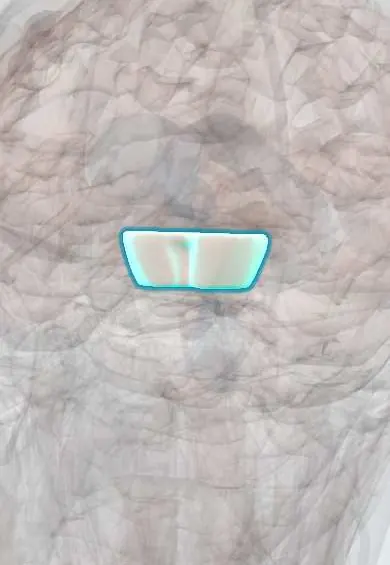
Representative model, for educational purposes only.