
Which side is the pleural effusion? Laterality by cause
The side of a pleural effusion is a clue. Body-wide causes wet both sides; a sick organ beside the chest usually wets its own side.
What it is
Using the side of a pleural effusion (right, left or both) as a clue to its cause. Systemic causes such as heart failure and low albumin are usually bilateral; organs that touch one hemidiaphragm or one side of the mediastinum, such as the liver, pancreas and oesophagus, tend to produce effusions on their own side.
Who gets it
In heart failure, effusions are bilateral in 81%, right-sided in 12% and left-sided in 7%. Hepatic hydrothorax is right-sided in 73–85%, left-sided in 13–17% and bilateral in 2–10%; it affects 5–16% of people with cirrhosis. About a quarter of patients with acute pulmonary embolism have an effusion, usually small and on one side. In acute pancreatitis about a third have an effusion, unilateral in about half.
Causes
- Usually bilateral: heart failure, nephrotic syndrome and other low-albumin states (often subpulmonic), constrictive pericarditis
- Usually right: hepatic hydrothorax; ovarian hyperstimulation syndrome (right-sided or bilateral)
- Usually left: pancreaticopleural fistula in chronic pancreatitis, Boerhaave rupture of the oesophagus, the small effusion common after coronary bypass surgery
- On the side of the lesion: parapneumonic effusion and empyema, tuberculous pleurisy (with its infiltrate), pulmonary embolism, a subpulmonic effusion above a subdiaphragmatic abscess
- Either side or both: malignant effusion, acute pancreatitis
Risk factors
- Cirrhosis with ascites (right-sided hepatic hydrothorax)
- Chronic pancreatitis, often alcohol-related, with a pseudocyst (left-sided fistula)
- Endoscopic procedures, the commonest cause of oesophageal perforation, and forceful vomiting (Boerhaave)
- Recent coronary bypass surgery (small left effusion)
- Heart failure or atrial fibrillation in a patient with pulmonary embolism (bilateral effusions)
Pathophysiology
Pleural fluid builds up when filtration exceeds lymphatic drainage → in systemic transudates the raised venous pressure (heart failure) or low oncotic pressure (nephrotic syndrome) acts on both pleurae, so fluid gathers on both sides → in hepatic hydrothorax, negative pressure in the chest draws ascitic fluid through small defects in the diaphragm, and these defects are commoner in the weaker right hemidiaphragm → in chronic pancreatitis a ruptured duct or pseudocyst, usually in the body or tail, lies close to the left pleura and the aortic and oesophageal hiatuses and forms a fistula into the left chest → in Boerhaave syndrome the tear is usually in the left wall of the lower third of the oesophagus, so gastric contents reach the left pleura → pneumonia, tuberculosis and a pulmonary infarct inflame the pleura next to them, so their effusion is on the same side.
Classification
- Bilateral
- Right-sided
- Left-sided
- On the side of a lung or subdiaphragmatic lesion
Symptoms and signs
- Breathlessness, worse with larger effusions
- Pleuritic pain on the side of an inflammatory cause
- Dullness and reduced breath sounds over the affected side
- Clues to the cause: ascites (liver), raised jugular venous pressure and oedema (heart), alcohol use or previous pancreatitis (pancreas), vomiting followed by chest pain (oesophageal rupture)
Diagnosis
- Clinical
- Note the side, the size and whether both sides are involved, then ask whether this fits the presumed cause. Bilateral transudates in obvious heart failure can be treated first; an unusual side, fever, pain or no response is a reason to sample the fluid rather than assume the obvious cause.
- Tests
- Thoracentesis with Light's criteria and cell count; a transudate with ascites supports hepatic hydrothorax, and NT-proBNP helps separate it from a cardiac effusion; markedly raised pleural amylase has been reported with pancreaticopleural fistula; culture, pH and adenosine deaminase when infection or tuberculosis is suspected.
- Imaging
- Chest X-ray and ultrasound show the side and size. CT looks for the cause: CT with water-soluble oral contrast for suspected oesophageal rupture, abdominal CT for a pancreatic pseudocyst, CT pulmonary angiography for embolism. Peritoneal scintigraphy can show ascites crossing the diaphragm when doubt remains.
Differential diagnosis
- Raised hemidiaphragm
- Subpulmonic effusion mimicking a high diaphragm
- Lobar collapse or consolidation
- Pleural thickening
Which side, and why?
| Cause | Usual side | Why that side | Numbers from series |
|---|---|---|---|
| Heart failure | Both; if only one, usually right | Raised venous pressure acts on both pleurae | Bilateral 81%, right 12%, left 7% |
| Nephrotic syndrome, low albumin | Both, often subpulmonic | Low oncotic pressure everywhere | Usually bilateral |
| Hepatic hydrothorax | Right | Ascites crosses defects in the weaker right hemidiaphragm | Right 73–85%, left 13–17%, bilateral 2–10% |
| Pancreaticopleural fistula (chronic pancreatitis) | Left | Leak from the body or tail of the pancreas, next to the left pleura | Left 57%, right 34%, both 9% (91 cases) |
| Acute pancreatitis | Either or both | Inflammatory fluid crosses the diaphragm | Effusion in 34%; unilateral in about half |
| Boerhaave rupture | Usually left | Tear usually in the left wall of the lower oesophagus | Right-sided cases occur |
| Pulmonary embolism | Usually one side, small | Inflammation or infarction of the nearby lung and pleura | Effusion in 24%; unilateral 69%; under a third of the hemithorax in 95% |
| After coronary bypass surgery | Left, small | Pleural reaction after cardiac surgery | Very common; large in about 10% |
| Tuberculous pleurisy | One side, with any infiltrate | Hypersensitivity reaction next to the infection | Usually unilateral |
Goal of treatment
Use the side to decide how hard to look: treat the cause, and sample the fluid when its side, size or course does not fit.
Treatment
- Medical
- Treat the cause: diuretics in heart failure; in hepatic hydrothorax, salt restriction, diuretics and paracentesis to control the ascites, with TIPS or liver transplantation for refractory cases; anticoagulation for pulmonary embolism.
- Procedure
- Diagnostic thoracentesis when the side is unusual or there is fever, pain or no response to treatment; therapeutic drainage for symptoms.
- Procedure
- Pancreaticopleural fistula: pleural drainage together with treatment of the duct leak, for example endoscopic drainage or stenting of the pancreatic duct.
- Surgical
- Oesophageal rupture: urgent endoscopic stenting or surgical repair with drainage, together with broad-spectrum antibiotics and resuscitation.
Complications
- A missed oesophageal rupture: mediastinitis and septic shock
- A missed pulmonary embolism
- Empyema when an infected effusion is not drained
Common traps
- A left-only effusion in a patient with heart failure is the heart failure: only about 7% of heart-failure effusions are left-only, so an unusual side calls for a search for a second cause.
- Pancreatitis always causes a left effusion: in acute pancreatitis effusions are often bilateral, and the classic left-sided picture belongs to the pancreaticopleural fistula of chronic pancreatitis.
- Hepatic hydrothorax needs visible ascites: about 10% of patients with hepatic hydrothorax have no concomitant ascites, so a right transudate in liver disease still suggests it.
- A right effusion rules out Boerhaave syndrome: the tear is usually on the left, but right-sided effusions occur, so vomiting followed by chest pain still needs imaging.
- A pancreatic effusion presents with abdominal pain: a pancreaticopleural fistula usually presents with breathlessness and chest symptoms, with little abdominal complaint.
Prognosis
Depends on the cause. In acute pulmonary embolism an effusion roughly doubles the risk of death, and a bilateral one carries about four times the 30-day mortality of a unilateral one. In acute pancreatitis an effusion is linked to severe disease and higher mortality.
Prevention
- Control of ascites with salt restriction and diuretics, which limits hepatic hydrothorax
- Sampling an effusion whose side does not fit, so a rupture, embolism or infection is not missed
Test yourself
Think of the answer, then tap the question to see it.
Why are effusions from heart failure and nephrotic syndrome usually bilateral?
They come from a systemic problem, high venous pressure or low oncotic pressure, which acts on both pleural spaces at once.
Why is hepatic hydrothorax usually right-sided?
Negative chest pressure draws ascites through small diaphragmatic defects, which are commoner in the weaker right hemidiaphragm.
Which pancreatic cause classically gives a left pleural effusion, and why?
A pancreaticopleural fistula in chronic pancreatitis: the leak usually arises from the body or tail of the pancreas, next to the left pleura.
A patient with heart failure has a left-only effusion. What should you think?
Only about 7% of heart-failure effusions are left-only, so look for another cause and consider sampling the fluid.
Why does Boerhaave syndrome usually cause a left effusion?
The tear is usually in the left wall of the lower third of the oesophagus, so gastric contents spill into the left pleural space.
Connections
Educational information, not medical advice. For any symptom, see a health professional.
Sources: Pleural Effusion (MSD Manual Professional Edition, 2026); Hepatic Hydrothorax: A Comprehensive Approach to Diagnosis and Management (GE Portuguese Journal of Gastroenterology (Europe PMC), 2026); Comprehensive treatment strategy for pancreaticopleural fistula: A rare case report and review of 91 cases (Medicine (Europe PMC), 2025); Incidence and prognostic role of pleural effusion in patients with acute pancreatitis: a meta-analysis (Annals of Medicine (Europe PMC), 2023); Pleural effusion in acute pulmonary embolism: characteristics and relevance (BMJ Open Respiratory Research (Europe PMC), 2024); Esophageal emergencies: WSES guidelines (World Journal of Emergency Surgery (Europe PMC), 2019).
Spotted a mistake?We are always improving for the community. Tell us what is wrong and our team will review it.Report a mistake
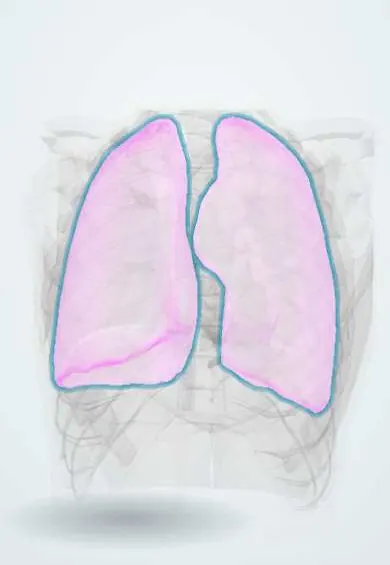
Representative model, for educational purposes only.