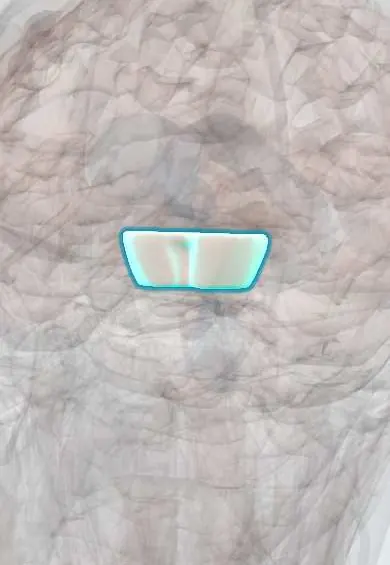
Progressive supranuclear palsy !
A brain disease that looks like Parkinson disease but causes early falls backwards, trouble looking up and down, and stiff posture.
Updated 2026-11-01
Structures involved
Tap one to see what it is and open it in 3D.
- Midbrain
- Substantia nigra
- Globus pallidus
- Red nucleus
- Thalamus
- Frontal lobe
- Cerebellum
- Pons
- Cerebral aqueduct
- Third ventricle
- Putamen
- Caudate nucleus
- Oculomotor nerve (III)
- Superior rectus
- Inferior rectus
- Pharynx
Why it happens
- Intracellular accumulations: cholesterol, proteins, hyaline, glycogen
- Basal ganglia and movement control
What it is
A neurodegenerative tauopathy and the most common atypical parkinsonism. Neurons and glia in the midbrain, basal ganglia, brainstem and frontal lobes accumulate abnormal tau protein. The classic form (Richardson syndrome) combines early unexplained falls, slowing and paralysis of vertical gaze, axial rigidity, swallowing and speech problems and frontal cognitive changes. Corticobasal degeneration is a related tauopathy with asymmetric limb rigidity, apraxia and "alien limb".
Who gets it
Prevalence is about 5 to 7 per 100,000, probably underestimated because many cases are first labelled Parkinson disease. Onset is usually in the sixties, with no strong sex difference. In Latin America, as elsewhere, diagnosis is often delayed by several years.
Causes
- Sporadic in nearly all cases
- Accumulation of four-repeat (4R) tau protein in neurons and glia
- Common variants of the MAPT gene (H1 haplotype) increase risk; rare MAPT mutations cause familial forms
- Possible environmental factors are under study; a cluster of tauopathy in Guadeloupe was linked to annonaceous plants
Risk factors
- Age over 60 years
- MAPT H1 haplotype
- Possibly lower educational level and some environmental toxins
Pathophysiology
Abnormal 4-repeat tau forms neurofibrillary tangles in neurons and tufted astrocytes. Neuronal loss is greatest in the midbrain tegmentum, substantia nigra, subthalamic nucleus, globus pallidus and dentate nucleus. Damage to the vertical gaze centres in the rostral midbrain gives supranuclear gaze palsy (the eyes move with the doll's-head manoeuvre because the cranial nerve nuclei are intact). Postural reflex failure and axial rigidity cause early backward falls. Frontal-subcortical circuit damage causes apathy, slowed thinking and disinhibition. Because postsynaptic striatal neurons are also lost, response to levodopa is poor.
Classification
- Richardson syndrome (classic): falls, vertical gaze palsy, axial rigidity
- PSP-parkinsonism: asymmetric, tremor and initial levodopa response
- PSP with progressive gait freezing
- PSP with corticobasal syndrome, speech-language or frontal behavioural presentation
- Corticobasal degeneration: separate tauopathy with asymmetric rigidity, apraxia, cortical sensory loss and alien limb
Symptoms and signs
- Early unexplained falls, typically backwards, in the first year
- Slow vertical saccades, then paralysis of downgaze and upgaze; difficulty reading and walking downstairs
- Staring, astonished face with reduced blinking and deep facial creases
- Axial rigidity with an upright or extended neck posture, rather than the stooped Parkinson posture
- Symmetric bradykinesia, usually without rest tremor
- Slurred, slow speech and difficulty swallowing
- Apathy, slowed thinking, disinhibition, impulsive "rocket sign" (rising suddenly from a chair)
- Applause sign (continues clapping after being asked to clap three times)
Diagnosis
- Clinical
- Clinical diagnosis using international criteria (MDS-PSP), based on vertical supranuclear gaze palsy or slow vertical saccades plus early postural instability with falls, with akinesia and frontal dysfunction as supportive features. Poor or short response to levodopa supports it.
- Tests
- No blood test confirms PSP; tests exclude mimics (thyroid, B12, syphilis, Wilson disease in younger patients). Neuropsychological testing shows frontal dysexecutive deficits. Definitive diagnosis is neuropathological.
- Imaging
- MRI shows midbrain atrophy with a preserved pons on sagittal views, giving the "hummingbird" or "penguin" sign, and a "morning glory" sign on axial views; the midbrain-to-pons area ratio is reduced. Dopamine transporter imaging is abnormal but does not separate PSP from Parkinson disease.
Differential diagnosis
- Parkinson disease
- Multiple system atrophy
- Dementia with Lewy bodies
- Corticobasal degeneration
- Normal pressure hydrocephalus and vascular parkinsonism
- Frontotemporal dementia
- Wernicke encephalopathy and Niemann-Pick type C (gaze palsy in younger patients)
Goal of treatment
There is no disease-modifying treatment; care aims to prevent falls and aspiration, ease symptoms, maintain communication and plan palliative care.
Treatment
- Medical
- A trial of levodopa, which helps a minority modestly and briefly; amantadine in some; antidepressants for depression; botulinum toxin for blepharospasm or dystonia.
- Rehabilitation
- Physiotherapy for balance and gait with weighted walkers, speech and swallowing therapy, prism glasses for gaze limitation and occupational therapy for home safety.
- Follow-up
- Nursing priorities: fall prevention (bed and chair alarms, supervision on stairs), swallowing assessment, modified diet textures and aspiration precautions, weight monitoring and caregiver support.
- Procedure
- Gastrostomy for severe dysphagia after discussion of goals of care.
- Conservative
- Early palliative care and advance care planning while the patient can still communicate preferences.
Complications
- Falls with fractures and head injury
- Aspiration pneumonia (the most common cause of death)
- Malnutrition and weight loss
- Immobility, pressure injuries and venous thromboembolism
- Loss of speech and severe disability
Prognosis
Progressive; most patients need a wheelchair within about five years and median survival is around 6 to 9 years from symptom onset, death usually resulting from pneumonia or complications of immobility.
Test yourself
Think of the answer, then tap the question to see it.
A 65-year-old with "Parkinson disease" falls backwards in the first year, cannot look down and does not respond to levodopa. What is the diagnosis?
Progressive supranuclear palsy.
Which protein accumulates in progressive supranuclear palsy?
Four-repeat tau (it is a tauopathy).
What is the classic MRI sign?
The hummingbird (penguin) sign from midbrain atrophy with a preserved pons.
Why is the gaze palsy called "supranuclear"?
The lesion is above the cranial nerve nuclei, so vertical eye movements return with the oculocephalic (doll's-head) manoeuvre.
What is the most common cause of death?
Aspiration pneumonia from dysphagia.
Related conditions
- Parkinson disease
- Multiple system atrophy (MSA)
- Dementia with Lewy bodies
- Frontotemporal dementia
- Alzheimer disease
- Vascular dementia
- Dementia (major neurocognitive disorder)
- Hydrocephalus
- Falls in older adults
- Oropharyngeal dysphagia in older adults
- Aspiration pneumonia and pneumonitis
- Dystonia (generalised and focal)
Educational information, not medical advice. For any symptom, see a health professional.
Sources: Progressive supranuclear palsy: MedlinePlus Genetics (MedlinePlus (U.S. National Library of Medicine), 2025).
Spotted a mistake?We are always improving for the community. Tell us what is wrong and our team will review it.Report a mistake
Representative model, for educational purposes only.