
Lower urinary tract symptoms (LUTS) in men and women: storage, voiding and post-micturition
Frequency, a weak stream or dribbling are symptoms, not a diagnosis; sorting them into three groups points to the bladder, the outlet or beyond.
What it is
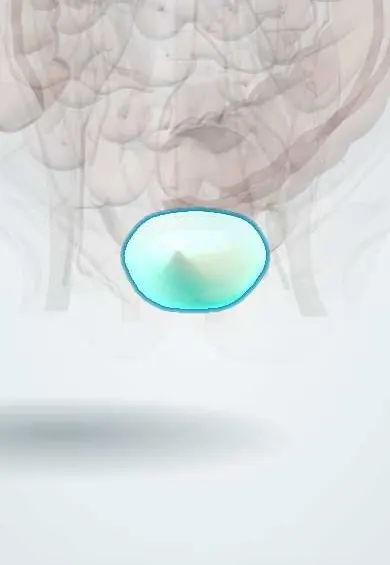
A descriptive term for urinary symptoms arising from the bladder, bladder neck, prostate and urethra, in men and women. They are grouped as storage symptoms (frequency, urgency, nocturia, incontinence), voiding symptoms (hesitancy, intermittency, slow, split or spraying stream, straining, terminal dribble) and post-micturition symptoms (post-micturition dribble, feeling of incomplete emptying).
Who gets it
LUTS are common in both sexes and become more frequent with age, and they are underreported: many people never mention them and many clinicians never ask. In men they are often blamed on the prostate, yet more than one cause is commonly present in the same man. In women with persistent LUTS, a minority have outlet obstruction, and only a small fraction of those have a urethral stricture.
Causes
- Outlet obstruction in men: benign prostatic obstruction, urethral stricture, bladder neck stenosis after prostate surgery, meatal stenosis or phimosis
- Outlet problems in women: pelvic organ prolapse, urethral stricture and dysfunctional voiding (pelvic floor that does not relax)
- Bladder muscle: detrusor overactivity (overactive bladder) or detrusor underactivity (underactive bladder, with voiding symptoms like those of obstruction)
- Too much urine: diabetes mellitus, arginine vasopressin deficiency, diuretics, caffeine and alcohol; nocturnal polyuria when oedema fluid (heart failure, calcium channel blockers) returns to the circulation at night
- Bladder irritation: urinary tract infection, stones, foreign bodies, bladder cancer and bladder pain syndrome
- Neurological disease: stroke, Parkinson disease, multiple sclerosis, spinal cord or nerve-root lesions, diabetic neuropathy
- Medicines: anticholinergics and opioids (poor emptying, retention), alpha-blockers (stress leakage in women), diuretics, sedatives and other psychoactive drugs
- Thinning of the urethral and vaginal lining after menopause, and constipation or faecal impaction
Risk factors
- Older age
- Diabetes and neurological disease
- Pregnancy and vaginal childbirth (stress incontinence, prolapse)
- Pelvic surgery, prostate surgery or pelvic radiotherapy
- Urethral catheterisation, instrumentation, trauma or urethritis (stricture)
- Medicines with anticholinergic, sedative or diuretic effects
Pathophysiology
Storage needs a relaxed, compliant bladder, a closed outlet and normal urine production → an overactive or irritated detrusor contracts too early, giving urgency and frequency, while too much urine (polyuria, nocturnal polyuria) gives frequency or nocturia with normal-sized voids → a weak sphincter or pelvic floor leaks with effort (stress incontinence). Emptying needs a strong detrusor contraction against an open outlet → a narrowed outlet (prostate, stricture, prolapse) or a weak detrusor both lower the flow, giving hesitancy, a slow stream and straining → urine left behind (post-void residual) brings incomplete-emptying symptoms, infection and stones, and a large chronic residual can dilate the upper tracts and impair kidney function.
Classification
- Storage: daytime frequency, urgency, nocturia, urinary incontinence (stress, urgency or mixed)
- Voiding: hesitancy, intermittency, slow stream, splitting or spraying, straining, terminal dribble
- Post-micturition: post-micturition dribble, feeling of incomplete emptying
- Clinical syndromes: overactive bladder, underactive bladder, urinary incontinence, nocturia, dysfunctional voiding, genitourinary fistula
- Uncomplicated versus complicated LUTS (retention, recurrent infection, haematuria, stones, kidney impairment)
Symptoms and signs
- Storage: passing urine often, sudden urgent need, waking at night to void, leaking with urgency or with cough and effort
- Voiding: waiting to start, stopping and starting, weak or split stream, straining, dribbling at the end
- Post-micturition: a few drops after leaving the toilet, feeling the bladder is still full
- Associated: pain, burning, blood in the urine, fever or a vaginal bulge, which change the work-up
Diagnosis
- Clinical
- A history that sorts the symptoms into storage, voiding and post-micturition and asks how much they bother the patient, plus fluids, caffeine, alcohol, medicines and the neurological, obstetric and surgical history. A validated symptom questionnaire with a bother and quality-of-life question (IPSS or ICIQ in men; a validated score in women). Examination of the abdomen for a palpable bladder, the external genitalia (meatal stenosis, phimosis, discharge), the perineum and a focused neurological exam; digital rectal exam in men; vaginal exam in women for oestrogen status, pelvic floor function and prolapse, with a cough stress test.
- Tests
- Frequency–volume chart or bladder diary for at least 3 days (time and volume of each void, fluid intake, leaks): it separates small-volume frequency from polyuria and nocturnal polyuria. Urine dipstick for blood, glucose, protein, leucocytes and nitrites, with culture when infection is suspected; in women a dipstick negative for nitrite and leucocyte esterase makes bacteriuria unlikely. Uroflowmetry when available. Creatinine only if kidney impairment is suspected. PSA in men after an informed discussion. Cystoscopy with haematuria or suspected stricture; urodynamics only in selected patients, usually before invasive treatment.
- Imaging
- Post-void residual by bladder ultrasound, preferred to catheterisation: European guidelines include it in the first assessment of both sexes, while NICE reserves it for specialist assessment of men. Ultrasound of the kidneys with a large residual, haematuria, stones or raised creatinine; prostate imaging when it changes treatment.
Differential diagnosis
- Benign prostatic obstruction
- Urethral stricture
- Overactive bladder
- Polyuria or nocturnal polyuria
- Urinary tract infection, stones or bladder cancer
- Neurogenic bladder or detrusor underactivity
- Stress urinary incontinence
- Pelvic organ prolapse
LUTS: what the pattern points to
| Cause | Typical patient | Dominant symptoms | First-assessment clue |
|---|---|---|---|
| Benign prostatic obstruction | Older man | Voiding, often with storage symptoms | Smooth, enlarged prostate; low flow; sometimes a residual |
| Urethral stricture | Man (sometimes a woman) after catheter, instrumentation, trauma or urethritis | Voiding: slow, prolonged stream | Flat, prolonged flow curve; confirmed by urethrography or cystoscopy |
| Overactive bladder | Either sex | Urgency, frequency, nocturia, urge leakage | Diary: frequent small voids; urine test normal |
| Polyuria or nocturnal polyuria | Diabetes, diuretics, heart failure, large evening fluids | Frequency or nocturia with normal-sized voids | Diary: large 24-hour or night-time volume |
| Urinary tract infection | Either sex, sudden onset | Frequency, urgency, burning | Dipstick leucocytes and nitrites; culture |
| Bladder cancer | Older adult | Storage symptoms, often with haematuria | Haematuria: cystoscopy |
| Neurogenic bladder or weak detrusor | Diabetes, neurological disease, older age | Voiding, incomplete emptying, sometimes leakage | Large residual; neurological signs; pressure-flow study separates it from obstruction |
| Stress urinary incontinence | Woman after childbirth; man after prostatectomy | Leak with cough, sneeze or lifting | Positive cough stress test |
| Pelvic organ prolapse | Woman | Vaginal bulge with storage or voiding symptoms | Seen on vaginal examination |
Goal of treatment
Exclude the dangerous causes first, find which job (storage or emptying) is failing and why, and treat the cause and the bother rather than the label.
Treatment
- Lifestyle
- Advice on the amount and timing of fluids, less caffeine and alcohol, supervised bladder training for urgency, treatment of constipation, and review of medicines that cause or worsen LUTS.
- Conservative
- Post-micturition dribble in men: urethral milking after voiding. Containment products (pads, sheath devices) for leakage until a diagnosis and plan are agreed.
- Medical
- Treatment of the cause found, such as a urinary tract infection, diabetes or a culprit medicine; drug treatment for overactive bladder and prostatic obstruction is on those pages.
- Procedure
- Voiding symptoms that cannot be corrected with less invasive measures: intermittent catheterisation before an indwelling urethral or suprapubic catheter.
- Follow-up
- Referral to urology or urogynaecology for haematuria, pain, recurrent infection, retention, kidney impairment, suspected cancer, continuous leakage, new enuresis, neurological disease, previous pelvic surgery or radiotherapy, or symptoms that do not respond to first-line care.
Complications
- Acute or chronic urinary retention
- Recurrent urinary tract infection and bladder stones
- Upper tract dilatation and kidney impairment with a large chronic residual
- Falls and fractures in older adults with urgency and nocturia
- Skin maceration and pressure ulcers with incontinence
- Embarrassment, social isolation and depression
Common traps
- LUTS in an older man mean the prostate: overactive bladder, a weak detrusor, nocturnal polyuria, stricture or cancer give the same symptoms, and several causes often coexist
- Nocturia is always a bladder problem: often the kidneys make too much urine at night (diuretics, oedema from heart failure, diabetes), which only a frequency–volume chart shows
- A weak stream proves obstruction: a weak detrusor gives the same low flow; only a pressure-flow study tells them apart
- Women's LUTS are always infection or incontinence: women also get outlet obstruction, including prolapse and urethral stricture, and a dipstick negative for nitrite and leucocyte esterase makes bacteriuria unlikely
- Haematuria with frequency is just cystitis: haematuria with LUTS needs cystoscopy to exclude bladder cancer once infection is treated or excluded
Prognosis
Depends on the cause. Most LUTS are not dangerous and improve with treatment of the mechanism, but a missed cancer, stricture or chronic retention can do lasting harm, which is why the red flags are checked first.
Prevention
- Avoid unnecessary urethral catheterisation (a common cause of stricture)
- Review medicines in older adults with new LUTS
- Prompt treatment of urethritis and sexually transmitted infections
Test yourself
Think of the answer, then tap the question to see it.
Into which three groups are LUTS divided, with two examples of each?
Storage (frequency, urgency, nocturia, incontinence), voiding (hesitancy, slow stream, straining, terminal dribble) and post-micturition (post-micturition dribble, feeling of incomplete emptying).
Which three simple tests belong to the first assessment of LUTS, and what does each add?
Frequency–volume chart (polyuria, nocturnal polyuria, small frequent voids), urinalysis (infection, blood, glucose) and post-void residual by ultrasound (incomplete emptying).
A 70-year-old man on a diuretic for heart failure voids four times each night, with normal volumes. What is the likely mechanism, and how is it shown?
Nocturnal polyuria: the kidneys make too much urine at night, partly from oedema fluid returning on lying down, so the bladder is not the problem. A frequency–volume chart shows a large night-time volume.
Why can uroflowmetry alone not prove prostatic obstruction?
A low flow comes from either obstruction or a weak detrusor, and a normal flow does not exclude obstruction. Only a pressure-flow study separates them.
Which findings in a woman with LUTS call for referral rather than first-line care?
Pain, haematuria, recurrent urinary infection, previous pelvic surgery or radiotherapy, continuous leakage suggesting a fistula, new-onset enuresis or suspected neurological disease.
Connections
Educational information, not medical advice. For any symptom, see a health professional.
Sources: Introduction - EAU Guidelines on Non-neurogenic Female LUTS (European Association of Urology, 2025); Diagnosis - EAU Guidelines on Non-neurogenic Female LUTS (European Association of Urology, 2025); Diagnostic Evaluation - EAU Guidelines on the Management of Non-neurogenic Male LUTS (European Association of Urology, 2026); Epidemiology Aetiology and Pathophysiology - EAU Guidelines on the Management of Non-neurogenic Male LUTS (European Association of Urology, 2026); Lower urinary tract symptoms in men: management (CG97), Recommendations (National Institute for Health and Care Excellence (NICE), 2015); Urinary Incontinence in Adults (MSD Manual Professional Edition, 2026).
Spotted a mistake?We are always improving for the community. Tell us what is wrong and our team will review it.Report a mistake
Representative model, for educational purposes only.