
Radiation enteritis and proctitis (pelvic radiation disease)
Radiotherapy for pelvic cancers also hits nearby bowel. Diarrhoea during treatment settles; scarring months or years later can block, bleed or form fistulas.
What it is
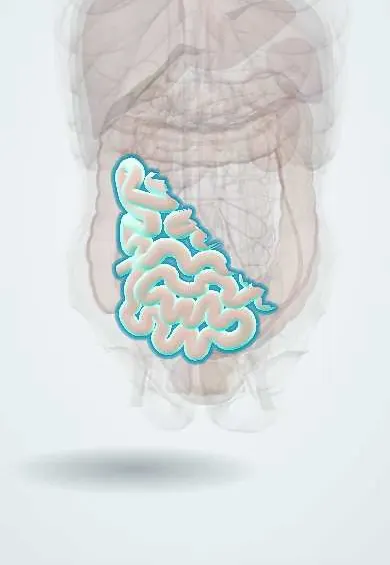
Injury to the small bowel (radiation enteritis) or the rectum and sigmoid colon (radiation proctitis) caused by radiotherapy to the abdomen or pelvis, most often for cervical, prostate, rectal, endometrial, bladder or anal cancer. The acute form starts during treatment and settles within weeks to about three months; the chronic form appears months to many years later, is progressive, and causes strictures, fistulas, bleeding and malabsorption.
Who gets it
Most patients receiving pelvic radiotherapy get some acute bowel symptoms; a substantial minority develop lasting changes in bowel habit, and a smaller group develop serious chronic complications needing endoscopic treatment or surgery. Radiation proctitis is the commonest chronic form after prostate and cervical radiotherapy. In Colombia, cervical cancer is one of the commonest cancers in women and is usually treated with chemoradiotherapy, so pelvic radiation disease is a frequent reason for bleeding, diarrhoea and obstruction years later.
Causes
- External-beam radiotherapy to the pelvis or abdomen
- Brachytherapy (internal radiation) for cervical, endometrial or prostate cancer
- Higher dose and larger volume of irradiated bowel
- Chemotherapy given together with radiation (chemoradiotherapy)
Risk factors
- Previous abdominal or pelvic surgery, which fixes loops of small bowel in the pelvis by adhesions
- Older radiotherapy techniques without image guidance or dose shaping
- Diabetes, hypertension and vascular disease
- Smoking
- Inflammatory bowel disease and connective tissue diseases
- Low body weight
- Severe acute reaction during treatment (predicts chronic damage)
Pathophysiology
Acute: radiation kills dividing crypt stem cells → villi are not replaced and shorten → loss of absorptive surface and inflammation → watery diarrhoea, cramps, nausea, urgency and tenesmus; bile acids from the damaged terminal ileum reach the colon and worsen diarrhoea → the lining regrows after treatment ends. Chronic: radiation damages endothelium of small arteries → obliterative endarteritis → progressive ischaemia → submucosal fibrosis and thickening → strictures (obstruction), loss of terminal ileal function (bile acid and vitamin B12 malabsorption), stasis (bacterial overgrowth) → thin, poorly perfused walls break down → fistulas to the vagina, bladder or skin, and perforation; in the rectum, fragile surface telangiectasias form → bleeding and anaemia.
Classification
- Timing: acute (during treatment and up to about 3 months) or chronic (beyond 3 months, often 1–2 years and up to decades later)
- Site: radiation enteritis (small bowel), radiation colitis, radiation proctitis or proctopathy (rectum)
- Severity grading by standard toxicity scales (such as CTCAE or RTOG/EORTC late effects), from mild symptoms to life-threatening complications
- Chronic patterns: diarrhoea and malabsorption, stricture and obstruction, fistula, bleeding, perforation
Symptoms and signs
- Acute: watery diarrhoea, cramping abdominal pain, nausea, urgency and tenesmus during radiotherapy
- Chronic: recurrent colicky pain, distension and vomiting (strictures, subacute obstruction)
- Chronic: diarrhoea, fatty stools, weight loss (bile acid malabsorption, bacterial overgrowth, lactose intolerance)
- Rectal bleeding, urgency, mucus and faecal incontinence (radiation proctitis)
- Passage of stool or gas from the vagina or in the urine (fistula)
- Fatigue and pallor from iron deficiency anaemia
Diagnosis
- Clinical
- Link the symptoms to the radiotherapy history: site, dates, dose if known and any concurrent chemotherapy. The diagnosis is partly one of exclusion: recurrent or second cancer, infection and inflammatory bowel disease must be ruled out, because they can look the same.
- Tests
- Full blood count, iron studies, vitamin B12, albumin and electrolytes. Stool tests for infection, including Clostridioides difficile, when diarrhoea is new. Tests for treatable causes of chronic diarrhoea: bile acid malabsorption (SeHCAT where available, or a trial of a bile acid binder) and breath testing for bacterial overgrowth. Flexible sigmoidoscopy or colonoscopy: pale mucosa with many fine new vessels (telangiectasias) and friability; biopsies are taken carefully, especially from the front wall of the rectum after prostate radiotherapy, because they can cause a fistula.
- Imaging
- CT of the abdomen and pelvis to look for strictures, thickened bowel, abscess, fistula and recurrent tumour. MR or CT enterography to map small-bowel strictures. Pelvic MRI to show fistulas to the vagina or bladder; contrast fistulography in selected cases.
Differential diagnosis
- Recurrent cancer or a new radiation-induced cancer
- Clostridioides difficile or other infective colitis
- Inflammatory bowel disease (Crohn disease, ulcerative colitis)
- Ischaemic colitis
- Adhesive small bowel obstruction unrelated to radiation
- Haemorrhoids as the cause of rectal bleeding
- Chemotherapy-induced diarrhoea
Bowel trouble after pelvic radiotherapy: which is it?
| Condition | Timing | Key features | Decisive step |
|---|---|---|---|
| Acute radiation enteritis | During treatment to 3 months | Watery diarrhoea, cramps, tenesmus; self-limiting | Clinical; exclude infection |
| Chronic radiation enteritis or proctitis | Months to decades later, progressive | Strictures, fistulas, telangiectatic bleeding, malabsorption | Endoscopy and enterography; recurrence excluded |
| Recurrent pelvic cancer | Any time after treatment | Mass, weight loss, pain, rising tumour marker | CT or MRI and biopsy |
| Clostridioides difficile infection | After antibiotics or hospital stay | Profuse diarrhoea, fever, high white cell count | Stool toxin or PCR test |
| Crohn disease | Young adult, no radiation needed | Skip lesions, perianal disease, granulomas | Colonoscopy with biopsy, MR enterography |
Goal of treatment
Help patients complete their radiotherapy with tolerable symptoms, then treat each chronic problem (diarrhoea, bleeding, stricture, fistula) by its mechanism, with surgery reserved for complications and planned around poorly healing irradiated bowel.
Treatment
- Medical
- Acute enteritis: hydration and electrolytes, antidiarrhoeals such as loperamide, antispasmodics and antiemetics, a low-lactose, low-fat, low-residue diet for the duration of treatment; topical steroid or other rectal preparations for acute proctitis; radiotherapy is paused only for severe toxicity.
- Medical
- Chronic diarrhoea: treat the mechanism found, with a bile acid binder for bile acid malabsorption, antibiotics for bacterial overgrowth, vitamin B12 and iron replacement, pancreatic enzymes where relevant, and dietary support from a dietitian.
- Procedure
- Bleeding radiation proctitis: endoscopic argon plasma coagulation of the telangiectasias is first-line; alternatives include radiofrequency ablation and topical formalin applied to the rectal mucosa; sucralfate enemas for mild bleeding.
- Procedure
- Hyperbaric oxygen therapy for refractory bleeding proctitis or non-healing radiation injury, where available; it stimulates new vessel growth in ischaemic tissue.
- Procedure
- Short strictures: endoscopic balloon dilatation where reachable; nutritional support, including parenteral nutrition, for patients who cannot absorb enough.
- Surgical
- Obstruction, fistula, perforation or uncontrolled bleeding: resection of the damaged segment with an anastomosis where at least one end is healthy, non-irradiated bowel, bypass or a defunctioning stoma; strictureplasty in selected cases; fistulas to the vagina or bladder often need diversion and complex repair with healthy tissue brought in (for example omentum).
- Follow-up
- Long-term follow-up of bowel symptoms, blood count and nutrition, and colonoscopy for new symptoms, since radiation increases the long-term risk of rectal and colon cancer.
Complications
- Recurrent small bowel obstruction from strictures and adhesions
- Rectovaginal, enterovaginal, enterovesical and enterocutaneous fistulas
- Iron deficiency anaemia from chronic rectal bleeding
- Malabsorption, malnutrition and short bowel syndrome after repeated resections
- Perforation and abscess
- Anastomotic leak after surgery on irradiated bowel
- Second cancers in the irradiated field (rectum, bladder) years later
Common traps
- Late bowel symptoms cannot be due to radiotherapy given years ago: chronic radiation injury can first appear 10 or 20 years after treatment and keeps progressing
- Diarrhoea after pelvic radiotherapy is just radiation damage and has no specific treatment: bile acid malabsorption, bacterial overgrowth and lactose intolerance are common, testable and treatable causes
- Rectal bleeding after prostate radiotherapy is always radiation proctitis: recurrent or new cancer and haemorrhoids must be excluded, and biopsies of the front rectal wall must be cautious because they can create a fistula
- Irradiated bowel heals like normal bowel after resection: its blood supply is damaged, so anastomoses leak more; surgeons join at least one end of healthy, non-irradiated bowel or create a stoma
- The acute reaction and the chronic disease are the same process: acute injury is stem-cell loss in the lining and heals; chronic injury is vascular and fibrotic and progresses
Prognosis
Acute enteritis almost always resolves after radiotherapy. Chronic radiation injury does not heal and often progresses; bleeding proctitis usually improves with endoscopic treatment, while strictures and fistulas tend to recur and surgery carries higher complication rates than in normal bowel. Quality of life depends greatly on recognising and treating the specific mechanism of diarrhoea.
Prevention
- Modern radiotherapy planning (intensity-modulated and image-guided radiotherapy) that limits the dose to the bowel
- A full bladder and prone or belly-board positioning during pelvic treatment to move small bowel out of the field
- Rectal spacer (hydrogel between prostate and rectum) in prostate radiotherapy
- At surgery before planned radiotherapy, measures to keep small bowel out of the pelvis (omental flap, pelvic reconstruction)
- Stop smoking and control diabetes and blood pressure
Test yourself
Think of the answer, then tap the question to see it.
A woman treated with chemoradiotherapy for cervical cancer 4 years ago now has colicky pain, distension and vomiting after meals. What is the likely mechanism, and which test maps it?
Chronic radiation enteritis with ileal strictures from obliterative endarteritis and fibrosis; MR or CT enterography maps the strictures, while CT also excludes recurrent cancer.
Why does acute radiation diarrhoea settle after treatment while chronic radiation injury keeps getting worse?
Acute injury is loss of dividing crypt stem cells, which regrow; chronic injury is damage to small blood vessels causing progressive ischaemia and scarring, which does not reverse.
A man has painless rectal bleeding 18 months after prostate radiotherapy; sigmoidoscopy shows many fine vessels on pale mucosa. What is the first-line treatment?
Radiation proctitis with telangiectasias; endoscopic argon plasma coagulation is first-line, with iron replacement if anaemic and exclusion of other causes.
Years after pelvic radiotherapy, a patient has chronic watery diarrhoea. Which treatable mechanisms should be tested for before calling it untreatable?
Bile acid malabsorption from terminal ileal damage, small intestinal bacterial overgrowth from strictures and stasis, lactose intolerance, and infection; each has a specific treatment.
Why it happens
Connections
Educational information, not medical advice. For any symptom, see a health professional.
Sources: Radiation Enteritis (StatPearls (NCBI Bookshelf), 2023); Radiation Proctitis (StatPearls (NCBI Bookshelf), 2024); Hyperbaric Treatment of Radiation Proctitis (StatPearls (NCBI Bookshelf), 2026).
Spotted a mistake?We are always improving for the community. Tell us what is wrong and our team will review it.Report a mistake
Representative model, for educational purposes only.