
Fever of unknown origin in adults
A fever that lasts weeks and stays unexplained after the first round of tests. It is usually a common disease behaving unusually, found step by step.
What it is
Classic FUO: temperature of 38.3 °C or more on several occasions for more than three weeks, without a diagnosis after a basic, thorough evaluation (traditionally three days in hospital or three outpatient visits). Nosocomial, neutropenic and HIV-associated FUO are separate categories with shorter time limits. Children: see Prolonged fever and fever of unknown origin in children.
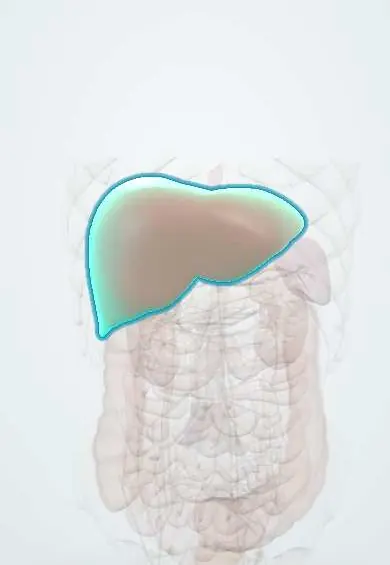
Who gets it
The causes fall into four groups, with the mix depending on setting: infections, cancers, non-infectious inflammatory diseases and miscellaneous causes; in many recent series up to a third stay undiagnosed. In Colombia and other middle-income countries infections, above all extrapulmonary tuberculosis, are a larger share, along with brucellosis, typhoid, visceral leishmaniasis, histoplasmosis and malaria in travellers to endemic areas. In older adults, giant cell arteritis and cancers are more common.
Causes
- Infections: extrapulmonary and miliary tuberculosis, abdominal or pelvic abscess, culture-negative endocarditis, osteomyelitis, CMV or EBV, brucellosis, typhoid, histoplasmosis, visceral leishmaniasis, malaria, HIV
- Cancers: lymphoma (Hodgkin and non-Hodgkin), leukaemia, renal cell carcinoma, hepatocellular carcinoma or liver metastases, atrial myxoma
- Non-infectious inflammatory diseases: adult-onset Still disease, giant cell arteritis and polymyalgia rheumatica (over 50), systemic lupus, other vasculitides, sarcoidosis, inflammatory bowel disease
- Miscellaneous: drug fever, venous thromboembolism, thyroiditis, haematoma, periodic fever syndromes, factitious fever
- Undiagnosed: a large minority; those who stay well usually have a good prognosis
Risk factors
- Travel or residence in areas endemic for TB, malaria, leishmaniasis or histoplasmosis
- Contact with farm animals or unpasteurised dairy (brucellosis, Q fever)
- Heart valve disease or prosthetic material (endocarditis)
- HIV infection, neutropenia, transplant or immunosuppressive drugs
- Age over 50 (giant cell arteritis, cancer)
- New drugs in the past weeks (drug fever)
Pathophysiology
An infection, tumour or inflammatory process releases pyrogenic cytokines (IL-1, IL-6, TNF) → prostaglandin E2 resets the hypothalamic set point upward → fever persists as long as the stimulus does → a disease becomes FUO when it hides (deep abscess, small lymphoma, culture-negative endocarditis), presents atypically (miliary TB without lung findings) or is not tested for → the diagnostic yield therefore comes from clues and from imaging that finds metabolically active tissue to biopsy.
Classification
- Classic: 38.3 °C or more, over three weeks, no diagnosis after a basic evaluation
- Nosocomial: fever in a hospitalised patient that was not present or incubating at admission, undiagnosed after three days including two days of cultures
- Neutropenic: neutrophils below 500 per microlitre (or expected to fall below), undiagnosed after three days including two days of cultures
- HIV-associated: in a person with HIV, fever over four weeks as an outpatient or three days in hospital, undiagnosed after three days including two days of cultures
Symptoms and signs
- Fever, documented with a thermometer, lasting weeks
- Night sweats, weight loss and fatigue (TB, lymphoma)
- New headache, jaw pain on chewing or visual symptoms over 50 (giant cell arteritis)
- Salmon-coloured evanescent rash with fever spikes, arthritis and sore throat (Still disease)
- Back pain (vertebral osteomyelitis, brucellosis), right upper quadrant pain (liver abscess)
- Clues on examination: new murmur, lymph nodes, enlarged spleen or liver, tender temporal artery, skin lesions, testicular or prostatic tenderness
Diagnosis
- Clinical
- Step 1: confirm the fever with measured readings and stop non-essential drugs (drug fever usually settles within days). Step 2: a complete, repeated history (travel, animals, occupation, sexual history, drugs, family history) and examination, looking for potentially diagnostic clues. Step 3: let any clue direct the next tests. Avoid empirical antibiotics or corticosteroids in a stable patient: they hide the diagnosis.
- Tests
- First panel: full blood count with smear, ESR and CRP, liver tests, LDH, CK, ferritin, creatinine, urinalysis and urine culture, at least three sets of blood cultures before any antibiotic, HIV test, IGRA or tuberculin test, ANA and rheumatoid factor, protein electrophoresis, TSH, and serology guided by exposure (CMV, EBV, brucella, hepatitis). A very high ferritin suggests Still disease or haemophagocytic syndrome. Biopsy is the decisive test: lymph node, liver, bone marrow (with culture for TB, brucella, histoplasma, leishmania) or temporal artery in older patients with high ESR.
- Imaging
- Chest X-ray and CT of chest, abdomen and pelvis early. 18F-FDG PET-CT is the best second-line test when there are no clues: it localises inflamed, infected or malignant tissue for biopsy and, when normal, predicts a good prognosis. Echocardiography (transoesophageal if needed) when endocarditis is possible.
Differential diagnosis
- Not FUO: a self-limiting viral illness, or fever not yet investigated enough
- Exaggerated normal temperature variation or factitious fever (a normal pulse at a high reading, discordant urine temperature)
- Drug fever (antibiotics, anticonvulsants, allopurinol and others)
- Periodic fever syndromes (familial Mediterranean fever) in recurrent episodes with fever-free intervals
The four kinds of FUO
| Category | Definition (beyond 38.3 °C) | Typical causes | First move |
|---|---|---|---|
| Classic | Over three weeks; undiagnosed after a basic work-up | TB and abscesses, lymphoma, Still disease, giant cell arteritis | Clue-directed work-up, then PET-CT and biopsy |
| Nosocomial | Arose in hospital; undiagnosed after three days and two days of cultures | Line or surgical-site infection, C. difficile, sinusitis, drug fever, thrombosis, pancreatitis | Look at lines, wounds and drugs; image the operated area |
| Neutropenic | Neutrophils below 500; undiagnosed after three days and two days of cultures | Bacteraemia, invasive candida or aspergillus, perianal infection | Empirical broad-spectrum treatment at once; then hunt for fungi |
| HIV-associated | Over four weeks outpatient or three days in hospital | TB, MAC, histoplasmosis, cryptococcosis, CMV, lymphoma | CD4 count guides the list; mycobacterial and fungal cultures, bone marrow |
Goal of treatment
Find the cause and treat it; in a stable patient, observe rather than treat empirically, because blind treatment hides the diagnosis.
Treatment
- Follow-up
- Stable patient without a diagnosis: watchful waiting with repeated history and examination, symptomatic antipyretics and re-investigation if new clues appear.
- Medical
- Treatment directed at the cause once found (for example anti-TB treatment, valve surgery referral for endocarditis, chemotherapy for lymphoma).
- Acute
- Empirical treatment is justified only when waiting is dangerous: neutropenic fever, septic or unstable patients, suspected endocarditis (after blood cultures) and suspected giant cell arteritis (corticosteroids to protect vision, with prompt temporal artery biopsy).
- Medical
- A therapeutic trial (for example of anti-TB drugs) only after tissue samples are taken and when suspicion is strong.
Complications
- Delayed diagnosis of a treatable infection or cancer
- Loss of vision in untreated giant cell arteritis
- Masking of the cause by empirical antibiotics or corticosteroids
- Harm from cascades of low-yield tests and invasive procedures
Common traps
- FUO is usually a rare disease: it is usually a common disease (TB, abscess, lymphoma, endocarditis) presenting atypically
- Starting empirical antibiotics or corticosteroids is a harmless first step: in a stable patient it sterilises cultures and shrinks lymphomas, hiding the diagnosis
- Ordering every serology at once speeds the diagnosis: untargeted tests yield false positives that misdirect; clues guide testing
- PET-CT gives the diagnosis: it shows where to biopsy; the diagnosis comes from tissue (lymph node, liver, bone marrow, temporal artery)
- Every fever over three weeks is FUO: it becomes FUO only after a basic, competent evaluation fails, and children have their own approach
Prognosis
Depends on the cause. Patients who remain undiagnosed after a full evaluation, including a normal PET-CT, usually do well, and the fever often settles on its own over months.
Prevention
- Blood cultures and tissue sampling before antibiotics
- A structured first panel instead of random testing
- Early HIV and TB testing in every unexplained fever
Test yourself
Think of the answer, then tap the question to see it.
What are the criteria for classic FUO?
Temperature of 38.3 °C or more on several occasions, lasting more than three weeks, without a diagnosis after a basic evaluation (traditionally three days in hospital or three outpatient visits).
What is the role of 18F-FDG PET-CT in FUO?
It is the best second-line test when no clues exist: it finds metabolically active tissue to biopsy, and a normal scan suggests a good prognosis.
A 68-year-old has had fever for five weeks, new temporal headache, jaw pain on chewing and ESR 95. Next step?
Suspect giant cell arteritis: start corticosteroids at once to protect vision and arrange temporal artery biopsy (or ultrasound) promptly.
Why should empirical antibiotics be avoided in a stable patient with FUO?
They can sterilise blood cultures and partially treat infections such as endocarditis or abscesses, making the diagnosis harder without curing the cause.
A 30-year-old farmer from Córdoba has six weeks of fever, sweats and back pain after drinking raw milk. Which cause and test fit?
Brucellosis, with spondylitis possible: blood cultures held longer and brucella serology; extrapulmonary TB is the other key option in Colombia.
Connections
In physiology1
Educational information, not medical advice. For any symptom, see a health professional.
Sources: Fever of Unknown Origin (StatPearls (NCBI Bookshelf), 2023); Febrile Neutropenia (StatPearls (NCBI Bookshelf), 2023); Fever in the Intensive Care Patient (StatPearls (NCBI Bookshelf), 2023); Nuclear Medicine Infection Assessment, Protocols, and Interpretation (StatPearls (NCBI Bookshelf), 2023); HIV-1–Associated Opportunistic Infections (StatPearls (NCBI Bookshelf), 2026).
Spotted a mistake?We are always improving for the community. Tell us what is wrong and our team will review it.Report a mistake
Representative model, for educational purposes only.