
Extrapulmonary tuberculosis
TB outside the lungs: in lymph nodes, pleura, abdomen, pericardium, kidneys and genitals. It hides behind other diagnoses and needs tissue or fluid to prove.
What it is
Tuberculosis affecting organs other than the lung parenchyma, such as the pleura, lymph nodes, abdomen and peritoneum, pericardium, genitourinary tract, bones and joints, and meninges. Bacilli reach these sites through blood or lymph during the primary infection, or by spread from a nearby focus, and may reactivate years later.
Who gets it
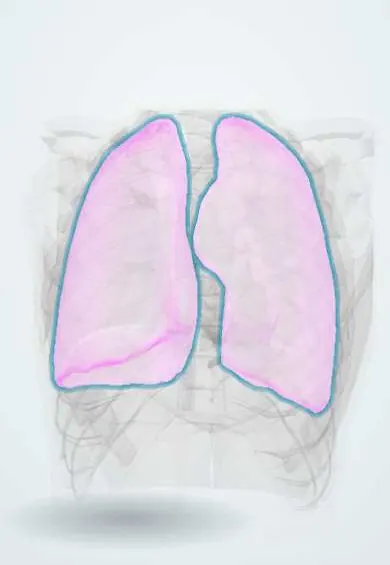
Roughly one in five TB cases is extrapulmonary, and the share is higher in people with HIV, children and women. Lymph node and pleural TB are the most common forms. In Colombia, intrathoracic nodes or a pleural effusion without lung lesions count as extrapulmonary TB, while a person with both lung and extrapulmonary disease is notified as a pulmonary case.
Causes
- Mycobacterium tuberculosis complex; rarely M. bovis from unpasteurised milk (abdominal and cervical node disease)
- Haematogenous or lymphatic seeding during primary infection, with later reactivation
- Contiguous spread: from a lung focus to the pleura, from nodes to the pericardium, from the kidney down the urinary tract
- Swallowed infected sputum (intestinal TB)
Risk factors
- HIV infection, especially with low CD4
- Children, in whom primary infection spreads more easily
- Immunosuppressive drugs: anti-TNF agents, corticosteroids, transplant drugs
- Chronic kidney disease, diabetes, malnutrition and cirrhosis
- Contact with a person with pulmonary TB and living in high-burden settings
Pathophysiology
Few bacilli seed a distant organ during primary infection → they stay contained in small granulomas → years later, or at once in a weak host, they reactivate → the organ responds with a strong T-cell reaction: lymphocytes, granulomas and caseous necrosis → in a serous cavity (pleura, peritoneum, pericardium) this gives a lymphocytic exudate with high ADA but very few bacilli → in nodes it gives matted swelling, caseation, abscess and sinuses → in tubes (ureter, fallopian tube, epididymis, bowel) healing by fibrosis causes stricture, obstruction and infertility → in the pericardium fibrosis causes constriction.
Classification
- Lymph node TB (scrofula when cervical): the most common form
- Pleural TB: lymphocytic exudative effusion; empyema is rare
- Abdominal TB: peritoneal (ascites), intestinal (ileocaecal), nodal and visceral
- Pericardial TB: effusion, effusive-constrictive and constrictive
- Genitourinary TB: renal, ureteric, bladder, epididymal and prostatic, fallopian tube and endometrial
- Bone and joint TB, including the spine (see Spinal tuberculosis)
- CNS TB: tuberculous meningitis and tuberculomas
- Miliary (disseminated) TB and others: laryngeal, skin, eye, adrenal
Symptoms and signs
- General symptoms: fever, night sweats, weight loss and fatigue, often for weeks; they can be absent
- Lymph node: painless, slowly enlarging neck node, later matted, fluctuant or draining through a sinus
- Pleural: pleuritic chest pain, dry cough and breathlessness, usually on one side
- Abdominal: abdominal swelling from ascites, pain, change in bowel habit, a right lower quadrant mass or bowel obstruction
- Pericardial: chest pain, breathlessness, swelling of the legs and abdomen from tamponade or constriction
- Genitourinary: frequency, dysuria, haematuria, flank pain, a hard scrotal swelling, infertility or menstrual changes
Diagnosis
- Clinical
- Suspect it in anyone with a chronic lymphocytic effusion, chronic lymphadenopathy, unexplained ascites, pericardial effusion or sterile pyuria, especially with HIV, contact or a past TB history. Always look for pulmonary TB too and test for HIV. The diagnosis needs tissue or fluid; treatment may start on strong clinical grounds while cultures are pending.
- Tests
- Fluid and tissue for culture in liquid medium, a WHO-recommended molecular test and histology; biopsy is kept in saline for culture and in formalin for histology. Pleural fluid: lymphocytic exudate with low glucose and high adenosine deaminase (ADA); Colombia's programme uses ADA above 32 U/L at 37 °C, and many references use about 40 U/L; fluid culture is positive in a minority, while pleural biopsy shows granulomas in most. Lymph nodes: fine-needle aspiration or excision biopsy for histology, culture and molecular testing. Ascites: lymphocytic, high protein, serum–ascites albumin gradient below 1.1 g/dL and high ADA; laparoscopic peritoneal biopsy has the highest yield. Pericardial fluid: lymphocytic exudate with high ADA. Urine: three early-morning samples for culture and molecular test; sterile pyuria (white cells with a negative routine culture) is the classic clue. Urine LAM in people with HIV.
- Imaging
- Chest X-ray in every case, since lung disease coexists in many. Ultrasound for effusions, ascites, nodes and the scrotum; echocardiography for pericardial effusion and constriction. CT shows necrotic nodes with rim enhancement, thickened peritoneum and omentum, ileocaecal thickening and renal calcification or cavities; CT urography shows ureteric strictures and a small contracted bladder. Hysterosalpingography may show blocked, beaded fallopian tubes.
Differential diagnosis
- Lymphoma and metastatic cancer (nodes, effusions, ascites)
- Nontuberculous mycobacterial lymphadenitis in young children and cat-scratch disease
- Malignant pleural effusion, parapneumonic effusion and empyema
- Crohn disease (ileocaecal TB is its classic mimic)
- Peritoneal carcinomatosis and ovarian cancer
- Viral or idiopathic pericarditis
- Bacterial urinary infection, renal cell carcinoma and bladder cancer
Extrapulmonary TB by site: the clue and the sample that proves it
| Site | Typical picture | Key clue | Best diagnostic sample |
|---|---|---|---|
| Lymph node | Painless neck nodes that mat together and may drain | Weeks of growth; caseation on biopsy | Fine-needle aspirate or excision biopsy for histology, culture and molecular test |
| Pleura | One-sided effusion in a young adult with fever | Lymphocytic exudate with high ADA | Pleural biopsy (granulomas); fluid ADA |
| Peritoneum and bowel | Ascites, pain, ileocaecal mass or obstruction | SAAG below 1.1 with lymphocytes and high ADA; Crohn look-alike | Laparoscopic peritoneal biopsy; colonoscopic biopsy of the ileocaecal region |
| Pericardium | Effusion, tamponade or later constriction | Lymphocytic exudate with high ADA | Pericardial fluid, and biopsy if needed |
| Genitourinary | Frequency, haematuria, flank pain, scrotal mass, infertility | Sterile pyuria; ureteric strictures | Three early-morning urine samples for culture and molecular test |
| Spine | Back pain, gibbus, cold psoas abscess | Two adjacent vertebrae with the disc destroyed | Image-guided biopsy; see the spinal tuberculosis page |
| Meninges | Subacute headache, fever, cranial nerve palsies, confusion | CSF with lymphocytes, high protein and very low glucose | Large-volume CSF for molecular test and culture; CSF ADA |
Goal of treatment
Cure the infection with the same multidrug therapy as pulmonary TB, prevent the scarring complications of each site, and drain or relieve what compresses or obstructs.
Treatment
- Medical
- The same first-line antituberculosis drugs as for pulmonary TB, given under the national programme; meningeal and bone and joint TB are treated for longer, as the programme sets out. Drug-susceptibility results guide changes.
- Medical
- Adjunctive corticosteroids reduce death and disability in tuberculous meningitis and are considered in selected cases of pericardial TB; they are not routine for pleural or nodal disease.
- Procedure
- Therapeutic drainage: pericardiocentesis for tamponade, thoracentesis for large symptomatic effusions, aspiration of fluctuant nodes or cold abscesses.
- Surgical
- Surgery for complications: pericardiectomy for constrictive pericarditis, relief of bowel obstruction or perforation, ureteric stenting or reconstruction for strictures; spinal decompression and stabilisation are covered on the spinal tuberculosis page.
- Follow-up
- Follow-up of clinical response (fluid, nodes, weight); nodes can enlarge or new nodes appear during treatment as a paradoxical reaction without meaning failure.
Complications
- Constrictive pericarditis and cardiac tamponade
- Pleural thickening and trapped lung
- Draining sinuses and scarring in the neck
- Bowel stricture, obstruction, perforation and malabsorption
- Ureteric stricture, hydronephrosis, non-functioning kidney and contracted bladder
- Infertility from fallopian tube or epididymal scarring
- Adrenal insufficiency from adrenal TB
- Hydrocephalus, stroke and neurological deficits in meningitis
Common traps
- A negative pleural fluid culture rules out pleural TB: the fluid holds very few bacilli; a high ADA and a pleural biopsy with granulomas make the diagnosis
- A normal chest X-ray excludes TB in a patient with ascites or neck nodes: extrapulmonary TB often occurs with clear lungs, and a pleural effusion or intrathoracic nodes alone count as extrapulmonary
- Ileocaecal ulcers with granulomas mean Crohn disease: intestinal TB looks the same; caseation, culture or molecular test and a chest X-ray are checked before steroids or anti-TNF drugs, which can make TB disseminate
- Nodes enlarging during TB treatment mean the drugs are failing: paradoxical enlargement is common, especially after starting antiretrovirals; failure is suspected only with persistent positive cultures or resistance
- Pus cells with a negative urine culture are a lab error: sterile pyuria is the classic clue to genitourinary TB and calls for early-morning urine for mycobacterial culture
Prognosis
Most forms are cured with full treatment. Disability comes from scarring at sites where fibrosis matters (pericardium, ureters, fallopian tubes, meninges), so early diagnosis decides the outcome; meningeal TB has the highest mortality.
Prevention
- Early diagnosis and treatment of pulmonary TB and contact tracing
- Treatment of latent TB in high-risk groups (HIV, children under 5, anti-TNF, transplant)
- BCG at birth against meningeal and miliary TB in children
- Pasteurisation of milk against M. bovis
- Ruling out TB before treating suspected Crohn disease with steroids or anti-TNF drugs
Test yourself
Think of the answer, then tap the question to see it.
Why does pleural fluid culture so often miss pleural TB?
The effusion is mainly a hypersensitivity reaction to very few bacilli. Lymphocytes and high ADA are the signature; pleural biopsy with granulomas and culture gives the highest yield.
A 28-year-old woman has weeks of fever, ascites with SAAG 0.8, 85% lymphocytes and high ADA. Malignant cytology is negative. Most likely diagnosis and best confirmation?
Tuberculous peritonitis. Best confirmation: laparoscopic peritoneal biopsy showing caseating granulomas, with culture and molecular testing of the tissue.
What is sterile pyuria and which TB site does it suggest?
White cells in the urine with a negative routine bacterial culture. It suggests genitourinary (renal) TB; early-morning urine is sent for mycobacterial culture and molecular testing.
Which late complication of pericardial TB may need surgery?
Constrictive pericarditis from fibrosis of the pericardium; it may need pericardiectomy.
Why test for TB before giving anti-TNF drugs to a patient with presumed Crohn disease?
Intestinal TB mimics Crohn disease, and anti-TNF drugs or steroids can turn local or latent TB into disseminated disease.
Why it happens
Connections
In physiology1
Educational information, not medical advice. For any symptom, see a health professional.
Sources: Pleural Effusion (StatPearls (NCBI Bookshelf), 2024); Abdominal Tuberculosis (StatPearls (NCBI Bookshelf), 2025); Pericarditis (StatPearls (NCBI Bookshelf), 2026); Genitourinary Tuberculosis (StatPearls (NCBI Bookshelf), 2024); Miliary Tuberculosis (StatPearls (NCBI Bookshelf), 2024); Resolución 227 de 2020: lineamientos técnicos y operativos del Programa Nacional de Prevención y Control de la Tuberculosis (Ministerio de Salud y Protección Social (Colombia), 2020).
Spotted a mistake?We are always improving for the community. Tell us what is wrong and our team will review it.Report a mistake
Representative model, for educational purposes only.