
Renal and genitourinary tuberculosis
TB that seeds the kidney and scars its way down the urinary and genital tract. It looks like a stubborn urine infection and can silently destroy a kidney.
What it is
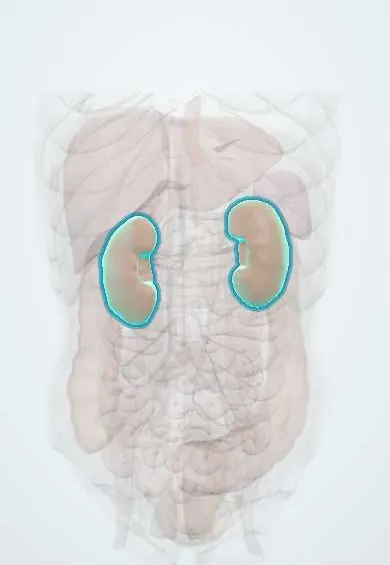
Infection of the kidneys, ureters, bladder and genital organs by Mycobacterium tuberculosis. Bacilli reach the kidneys through the blood, usually from a lung infection, lie dormant in small granulomas, and can reactivate years or even decades later; disease then spreads down the urinary tract and, in men, to the prostate and epididymis. In women, genital TB most often involves the fallopian tubes.
Who gets it
In high-burden countries it is one of the commonest forms of extrapulmonary TB, often second only to lymph node TB, and makes up as much as a quarter of extrapulmonary cases. It mainly affects adults (median age around 40), more often men. Many patients have no known lung disease when it is found: only about a third of people with extrapulmonary TB have a previous TB diagnosis. In Colombia it is notified within extrapulmonary TB (INS event 813). HIV, diabetes, chronic kidney failure and other immunosuppression raise the risk.
Causes
- Mycobacterium tuberculosis complex (rarely M. bovis; prostate TB has also followed intravesical BCG for bladder cancer)
- Blood-borne seeding of both kidneys, with later reactivation usually in one kidney
- Descending spread in the urine from kidney to ureter and bladder, and to the prostate, seminal vesicles and epididymis
- Female genital TB: blood-borne spread, most often to the fallopian tubes (about 90% of female cases), and also to the endometrium, ovaries or cervix
Risk factors
- Previous pulmonary or other TB, or contact with a person with TB
- HIV infection
- Diabetes and chronic kidney failure
- Immunosuppressive drugs, cancer and other causes of weakened immunity
- Crowded living conditions, undernutrition and living in high-burden settings
Pathophysiology
Bacilli reach both kidneys through the blood and form small granulomas near the glomeruli and in the medulla, which may stay latent for life → reactivation, mostly in the less well-perfused medulla, causes caseating necrosis of the papillae → the lesion erodes into a calyx, so bacilli and pus pass into the urine (sterile pyuria) → infection travels down the urothelium to the renal pelvis, ureter and bladder, where cystitis starts around the ureteric orifice → healing lays down fibrosis: strictures inside the kidney and along the ureter, most often at its narrowest points (the ureterovesical and pelviureteric junctions), causing hydronephrosis → the obstructed kidney may end as a calcified non-functioning shell (autonephrectomy) → bladder fibrosis gives a small contracted bladder with vesicoureteric reflux that can damage the other kidney → in men, spread to the prostate, seminal vesicles and epididymis causes nodules, abscesses and sinuses.
Classification
- Renal TB: papillary necrosis, cavities, strictures inside the kidney, calcification, autonephrectomy
- Ureteric TB: single or multiple strictures, wall thickening, calcification, hydroureter
- Bladder TB: cystitis, ulcers, small contracted bladder
- Male genital TB: epididymis (the commonest clinically affected site), prostate (the organ most often involved in autopsy studies, usually silent), seminal vesicles, vas deferens, testis by extension
- Female genital TB: fallopian tubes, endometrium, less often ovaries and cervix
Symptoms and signs
- Frequency (the commonest symptom), urgency and dysuria that do not settle with routine antibiotics
- Visible or microscopic haematuria
- Dull flank or low back pain
- Renal TB is often silent even while it damages the kidney; fever, night sweats and weight loss may be absent
- Men: a thickened, painful epididymis for months, sometimes with a scrotal sinus; chronic prostatitis; infertility
- Women: infertility, pelvic pain or irregular periods
- Signs: flank tenderness, a thickened epididymis or nodular prostate on examination, high blood pressure in advanced disease
Diagnosis
- Clinical
- Suspect it with haematuria or frequency lasting more than 3 months with sterile pyuria (white cells, routine culture negative), repeated failed antibiotic courses, a stricture or thickening of the urinary tract on CT or MRI, a past TB history, or chronic epididymitis or prostatitis that does not respond to usual antibiotics. Ask about prior TB, contacts, HIV and intravesical BCG.
- Tests
- Urinalysis: sterile pyuria and haematuria. At least three early-morning urine samples on different days for mycobacterial culture (the reference test; results take 6 to 8 weeks and give drug susceptibility) together with Xpert MTB/RIF, the rapid molecular test WHO recommends first, which also detects rifampicin resistance. Both are highly specific but miss many cases: against a composite reference standard, urine culture found about 40% and culture plus Xpert about 63% of cases, so a negative result does not exclude GU TB. Urine smear finds only about 1 in 5. HIV test, creatinine. Tissue (epididymis, prostate, bladder, endometrium) for histology (granulomas), culture and molecular testing. TST or IGRA show infection only, not active disease.
- Imaging
- Ultrasound for hydronephrosis, a thick-walled small bladder or a scrotal mass (the first test for the scrotum). CT urography is the main test: irregular calyces, papillary necrosis and cavities, strictures inside the kidney or along the ureter with hydronephrosis, ureteric wall thickening, a thick-walled small bladder, and calcification up to a calcified non-functioning kidney. Chest and plain abdominal X-rays look for active or healed TB. Hysterosalpingography most often shows blocked fallopian tubes.
Differential diagnosis
- Recurrent bacterial urinary infection and chronic pyelonephritis
- Analgesic or diabetic papillary necrosis
- Urinary schistosomiasis (haematuria and bladder calcification in travellers or migrants from endemic areas)
- Bladder cancer, upper tract urothelial cancer and renal cell carcinoma
- Interstitial cystitis and urolithiasis
- Bacterial epididymitis and testicular tumour
Sterile pyuria, haematuria or a scarred urinary tract: TB or a look-alike?
| Condition | Urine | Imaging | Key clue |
|---|---|---|---|
| Renal and GU TB | Sterile pyuria, haematuria | Irregular calyces, strictures, contracted bladder, calcification | Fails routine antibiotics; past TB; urine culture or Xpert positive (a negative result does not exclude it) |
| Bacterial UTI or pyelonephritis | Pyuria with a positive routine culture | Usually normal; swollen kidney in severe pyelonephritis | Responds to standard antibiotics within days |
| Papillary necrosis (analgesics, diabetes, sickle cell) | Haematuria, pyuria, sloughed papillae in urine | Ring shadows and clubbed calyces without strictures or bladder disease | Drug history, diabetes or sickle cell disease; mycobacterial culture negative |
| Urinary schistosomiasis | Terminal haematuria, eggs with a terminal spine | Bladder wall calcification, ureteric changes | Freshwater exposure in Africa or the Middle East |
| Bladder or upper tract cancer | Painless haematuria, positive cytology | Filling defect or mass | Older smoker; cystoscopy and biopsy |
Goal of treatment
Cure the infection with combination anti-TB therapy, keep the kidneys and bladder working by catching and relieving obstruction early, repair scarring when it threatens function, and break transmission by finding and treating any lung disease.
Treatment
- Medical
- Standard first-line combination anti-TB therapy (the same drugs as for pulmonary TB, chosen by drug susceptibility), given under the national TB programme. Treatment can start on strong clinical and imaging grounds even when urine tests are negative.
- Medical
- HIV testing, and antiretroviral therapy for those with HIV; liver and kidney function are checked before and during treatment, with doses reviewed in kidney failure.
- Follow-up
- Repeat imaging during treatment, because ureteric strictures can worsen as fibrosis progresses; creatinine and blood pressure. Corticosteroids to limit stricture formation are debated. Relapse is commoner than after lung TB (about 6–22% in reported series), so follow-up is long, up to 10 years in some recommendations.
- Procedure
- Early relief of obstruction, within about the first month, with a double-J ureteric stent or percutaneous nephrostomy when the kidney is worth saving; in one series this halved the risk of later nephrectomy.
- Surgical
- Reconstruction after some weeks of drug treatment (often 4 to 6): endoscopic dilation or incision for a single short stricture (under 2 cm), otherwise ureteric reimplantation or other open, laparoscopic or robotic repair; bladder augmentation with bowel when bladder capacity is severely reduced; nephrectomy for a non-functioning kidney causing symptoms or hypertension; drainage or surgery for genital abscesses or sinuses.
- Medical
- Women with tubal infertility after genital TB are referred for fertility assessment; contact tracing and notification to the surveillance system.
Complications
- Ureteric stricture, hydronephrosis and loss of the kidney (autonephrectomy)
- Chronic kidney disease when both kidneys or a single kidney are affected
- Small contracted bladder with severe frequency, incontinence and vesicoureteric reflux
- Hypertension from a scarred kidney
- Male infertility from genital tract damage; female infertility from tubal and endometrial scarring
- Secondary bacterial infection of an obstructed system
- Relapse after treatment, sometimes years later
Common traps
- White cells with a negative urine culture is a lab error: sterile pyuria is the classic clue to renal TB and calls for early-morning urine for mycobacterial culture and molecular testing
- A normal chest X-ray rules out renal TB: the kidney often reactivates years after the primary infection, when there may be no lung disease to see
- A negative urine test excludes TB: smear finds only about 1 in 5 cases, and even culture plus Xpert miss many; several early-morning samples are needed, and a negative result does not exclude it
- A stricture that appears during treatment means the drugs are failing: healing fibrosis can create or tighten strictures, so the urinary tract is re-imaged during therapy
- One more antibiotic course will settle a 'stubborn UTI': more than 3 months of frequency or haematuria with sterile pyuria calls for TB testing, not more routine antibiotics
Prognosis
Drug therapy controls the infection in most patients, but tissue already destroyed does not recover, so outcome depends on how much kidney and bladder are left at diagnosis. Late diagnosis with a non-functioning kidney or a contracted bladder is common because early symptoms are non-specific, and in some series more than half of patients needed surgery. Relapse can occur years later.
Prevention
- Early diagnosis and full treatment of pulmonary TB, and contact tracing
- Screening and TB preventive treatment for people at high risk, such as people with HIV and household contacts
- Thinking of TB, and sending early-morning urine for mycobacteria, when pyuria persists with negative cultures
- BCG vaccination of babies, which protects children mainly against serious forms of TB
Test yourself
Think of the answer, then tap the question to see it.
Why does genitourinary TB usually start in the kidney?
Bacilli spread through the blood and settle as small granulomas in both kidneys; when one reactivates, often years later, it erodes into the collecting system and spreads down the urinary tract.
A 38-year-old man has 4 months of frequency and haematuria despite two antibiotic courses. Urine shows pyuria; routine cultures are negative. Next test?
Suspect renal TB: at least three early-morning urine samples for mycobacterial culture plus Xpert MTB/RIF, an HIV test, and CT urography for strictures and calyceal damage.
Which part of the ureter most often narrows in TB?
The lower ureter at the ureterovesical junction, then the pelviureteric junction, the two narrowest points; the result is hydroureter and hydronephrosis.
Why is the urinary tract re-imaged during TB treatment?
Healing causes fibrosis, so strictures can form or worsen while the drugs work; early stenting or repair protects the kidney.
Which male genital organ is most often involved by TB, and which most often causes symptoms?
The epididymis is the commonest clinically affected site (months of pain and thickening, sometimes a scrotal sinus); the prostate is involved most often in autopsy studies but usually silently.
Connections
Educational information, not medical advice. For any symptom, see a health professional.
Sources: Tuberculosis (World Health Organization, 2026); Protocolo de vigilancia de tuberculosis (versión 6) (Instituto Nacional de Salud (Colombia), 2022); Urogenital Tuberculosis: A Narrative Review and recommendations for diagnosis and treatment (International Brazilian Journal of Urology, 2025); Genitourinary Tuberculosis: A Comprehensive Review of a Neglected Manifestation in Low-Endemic Countries (Antibiotics (Basel), 2021).
Spotted a mistake?We are always improving for the community. Tell us what is wrong and our team will review it.Report a mistake
Representative model, for educational purposes only.