
Bariatric surgery and the post-bariatric patient
Surgery on the stomach and gut is the most effective lasting treatment for severe obesity. Its patients later reach any ER with problems you must know.
What it is
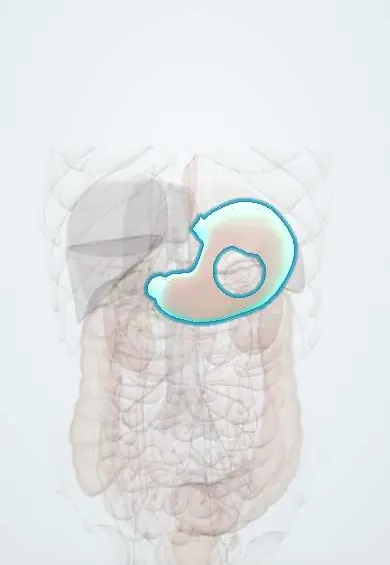
Operations that change the stomach and small bowel to produce large, lasting weight loss and improve obesity-related disease, chiefly type 2 diabetes. The two commonest are the sleeve gastrectomy and the Roux-en-Y gastric bypass.
Who gets it
Obesity is rising across Latin America; in Colombia more than half of adults carry excess weight. Sleeve gastrectomy is now the most performed bariatric operation worldwide, followed by the gastric bypass, and nearly all are done by laparoscopy, so every emergency department meets post-bariatric patients, often operated in another city or country.
Causes
- Indication: body mass index (BMI) of 35 or more, with or without obesity-related disease (current international criteria)
- Indication: BMI 30–34.9 with metabolic disease, especially type 2 diabetes poorly controlled despite medical treatment (lower thresholds are used in Asian populations)
- Older criteria still used by many payers: BMI 40 or more, or 35 or more with a serious comorbidity
- Prerequisites: failure of structured lifestyle and medical treatment, multidisciplinary assessment (surgery, nutrition, psychology, endocrinology) and the ability to keep lifelong follow-up
Risk factors
- For early complications: very high BMI, male sex, obstructive sleep apnoea, previous venous thromboembolism, revision surgery
- For marginal ulcer: smoking, anti-inflammatory drug (NSAID) use, corticosteroids, Helicobacter pylori, diabetes
- For internal hernia: bypass with unclosed mesenteric defects and rapid, large weight loss
- For deficiencies: bypass or malabsorptive procedures, poor adherence to supplements, pregnancy, persistent vomiting
- For reflux after sleeve: pre-existing reflux or hiatal hernia
Pathophysiology
Sleeve: most of the stomach along the greater curvature, including the fundus, is removed → smaller capacity, faster emptying and less ghrelin (less hunger) → weight loss, but a long staple line and a high-pressure tube favour leaks near the angle of His and new or worse reflux. Bypass: a small pouch is joined to a Roux limb of jejunum; the duodenum and proximal jejunum carry only bile and pancreatic juice until they rejoin downstream → food reaches the distal gut early, raising GLP-1 and other gut hormones (diabetes often improves within days, before weight loss) → but acid and intrinsic factor are lost and the main iron and calcium absorption site is skipped → deficiencies; the new mesenteric gaps let small bowel twist through (internal hernia), and the jejunal side of the pouch join meets acid it was not built for (marginal ulcer).
Classification
- Sleeve gastrectomy: restrictive and hormonal; normal food path; not reversible
- Roux-en-Y gastric bypass: small pouch, alimentary (Roux) limb, biliopancreatic limb and common channel; restrictive, hormonal and mildly malabsorptive; remnant stomach left in place
- Other operations: one-anastomosis gastric bypass, biliopancreatic diversion with duodenal switch (more malabsorptive, more deficiencies), adjustable gastric band (now rare: slippage, erosion)
- Early complications (first 30 days): leak, bleeding, venous thromboembolism, early obstruction
- Late complications: stricture, marginal ulcer, internal hernia, gallstones, dumping and late hypoglycaemia, reflux after sleeve, micronutrient and protein deficiencies, weight regain, alcohol use disorder
Symptoms and signs
- Leak: tachycardia, fever, abdominal or left shoulder pain, breathlessness and a sense that something is wrong, often with a soft-looking abdomen
- Stricture: progressive intolerance first of solids, then liquids, with vomiting weeks to months after surgery
- Marginal ulcer: epigastric pain on eating, bleeding or perforation, often in smokers or NSAID users
- Internal hernia: intermittent colicky periumbilical or left upper pain, often after meals, sometimes with little vomiting and normal blood tests
- Deficiencies: tiredness and pallor (iron, B12), numbness and unsteady gait (B12, copper), confusion and eye movement problems after vomiting (thiamine), bone pain (vitamin D and calcium)
- Dumping: cramps, diarrhoea, palpitations and flushing soon after sweet food; late hypoglycaemia with sweating and confusion one to three hours after a meal
Diagnosis
- Clinical
- Ask which operation, when, where and by whom, and examine with the plumbing map in mind. In severe obesity the abdominal examination is unreliable and peritonitis may show only as tachycardia, breathlessness or fever. Never place a nasogastric tube blindly after a fresh sleeve or bypass; involve the bariatric surgeon early.
- Tests
- Full blood count, inflammatory markers, lactate, electrolytes, kidney function, glucose, liver tests and lipase; pregnancy test. In follow-up and when deficiency is suspected: ferritin and iron studies, vitamin B12, folate, thiamine, vitamin D, calcium and parathyroid hormone, albumin, copper and zinc. Endoscopy shows strictures (with dilation in the same session) and marginal ulcers.
- Imaging
- CT of the abdomen with oral and intravenous contrast for leak (contrast or air outside the staple line, collection) and internal hernia (swirl of mesenteric vessels, small-bowel loops clustered in the left upper abdomen, displaced jejunojejunostomy). Upper GI contrast study for leaks and strictures. Ultrasound for gallstones. A normal CT does not exclude an internal hernia: diagnostic laparoscopy remains the test when pain persists.
Differential diagnosis
- Gallstone disease and biliary colic (common after rapid weight loss)
- Peptic ulcer or bleeding from the remnant stomach
- Adhesive small bowel obstruction or incisional hernia
- Pancreatitis, kidney stones (oxalate stones after bypass), acute coronary syndrome
- Dumping and late post-bariatric hypoglycaemia versus insulinoma
- Eating disorder, intentional vomiting or alcohol use disorder
Pain or vomiting after bariatric surgery: which complication?
| Complication | When | Typical picture | Key test | First move |
|---|---|---|---|---|
| Leak | Days 1–10, sometimes later | Tachycardia, fever, pain, breathlessness; abdomen may look benign | CT with oral contrast; laparoscopy if unstable | Resuscitate, antibiotics, nil by mouth, call the surgeon; drainage, stent or reoperation |
| Stricture | Weeks to months | Solids then liquids no longer pass; vomiting | Endoscopy or contrast study | Endoscopic balloon dilation; thiamine if vomiting |
| Marginal ulcer (bypass) | Any time, often months | Pain on eating, bleeding, perforation; smoker or NSAID user | Endoscopy | Acid suppression, stop smoking and NSAIDs; surgery if perforated |
| Internal hernia (bypass) | Months to years, with weight loss or pregnancy | Intermittent colicky pain, few signs, normal tests | CT (swirl sign); laparoscopy if in doubt | Urgent surgical review; laparoscopic reduction and closure of defects |
| Gallstones | First year of rapid weight loss | Right upper pain after fatty food, possible jaundice | Ultrasound | Cholecystectomy; access to the bile duct is harder after bypass |
| Thiamine deficiency | Weeks to months, after vomiting | Confusion, ataxia, eye movement palsy, neuropathy | Clinical; thiamine level | Intravenous thiamine before any glucose |
Goal of treatment
Choose the right patient and operation, prevent and recognise early surgical complications, prevent lifelong nutritional deficiencies and treat obesity-related disease as a chronic illness that needs follow-up forever.
Treatment
- Surgical
- Laparoscopic sleeve gastrectomy or Roux-en-Y gastric bypass chosen with the patient: bypass is preferred with severe reflux or diabetes, sleeve when malabsorption or a remnant stomach would be a problem; revision or conversion for reflux, complications or weight regain.
- Acute
- Suspected leak or internal hernia: resuscitation, nil by mouth, broad-spectrum antibiotics for a leak and early return to the operating room or laparoscopy; low threshold to operate even when imaging is normal.
- Procedure
- Endoscopic balloon dilation of strictures; endoscopic stents, clips or internal drainage and percutaneous drainage of collections for contained leaks; percutaneous gastrostomy to decompress a distended remnant stomach.
- Medical
- Lifelong supplements after bypass and sleeve: a complete multivitamin with minerals, iron, calcium with vitamin D and vitamin B12, adjusted to blood levels; proton pump inhibitor to prevent and treat marginal ulcer; ursodeoxycholic acid in some centres to prevent gallstones during rapid weight loss.
- Acute
- Any post-bariatric patient with repeated vomiting: give intravenous thiamine before glucose-containing fluids to avoid precipitating Wernicke encephalopathy.
- Lifestyle
- Small protein-first meals, chewing well, not drinking with meals, avoiding sweets (dumping), no smoking, no NSAIDs, caution with alcohol (faster and higher blood levels), regular exercise, and effective contraception with pregnancy delayed until weight is stable.
- Follow-up
- Lifelong follow-up with the bariatric team: weight, diabetes and blood pressure medicines reduced as they improve, periodic micronutrient blood tests, bone density in selected patients, mental health and alcohol screening; nursing care includes early mobilisation, venous thromboembolism prophylaxis and staged diet teaching.
Complications
- Anastomotic or staple-line leak, abscess and sepsis
- Bleeding and venous thromboembolism
- Stricture and marginal ulcer (perforation, bleeding)
- Internal hernia with bowel ischaemia
- Gallstones, dumping syndrome and post-bariatric hypoglycaemia
- New or worse reflux and Barrett oesophagus after sleeve
- Iron, B12, folate, thiamine, vitamin D, calcium, copper and protein deficiency; secondary hyperparathyroidism and osteoporosis
- Oxalate kidney stones, weight regain, alcohol use disorder and depression
Common traps
- A soft abdomen rules out a leak: in severe obesity peritonitis is hard to feel; persistent tachycardia is often the first and only sign
- Normal blood tests and a normal CT rule out an internal hernia: both can be normal between episodes; recurrent pain after bypass needs a surgeon and often a laparoscopy
- Glucose first for a confused, vomiting post-bariatric patient: give thiamine first, because glucose can tip a thiamine-deficient brain into Wernicke encephalopathy
- After a bypass the stomach can be checked with a normal endoscopy: the remnant stomach and duodenum are out of reach of a standard scope, so bleeding or bile duct stones there need other routes
- Sleeve gastrectomy is the anti-reflux choice: the high-pressure tube often worsens reflux; a bypass is the operation that treats it
Prognosis
Bariatric surgery gives the largest and most durable weight loss of any obesity treatment, with frequent remission of type 2 diabetes, better blood pressure, sleep apnoea and fatty liver, and longer survival. Operative mortality in experienced centres is low. Outcomes depend on lifelong follow-up: many late problems are nutritional and silent.
Prevention
- Careful selection, preoperative optimisation and stopping smoking
- Closure of mesenteric defects during bypass to reduce internal hernia
- Thromboprophylaxis and early mobilisation
- Lifelong supplements and periodic blood tests
- Avoiding NSAIDs and smoking after bypass
Test yourself
Think of the answer, then tap the question to see it.
Day 3 after a sleeve gastrectomy: heart rate 128, temperature 37.9 °C, mild left shoulder pain, abdomen soft. What is the working diagnosis and next step?
Staple-line leak until proven otherwise (usually near the angle of His). Resuscitate, keep nil by mouth, start antibiotics, get CT with oral contrast if stable and call the surgeon; if unstable, go straight to surgery.
Why do bypass patients become deficient in iron, calcium and vitamin B12?
Food skips the duodenum and proximal jejunum, the main iron and calcium absorption sites, and the small pouch makes little acid and intrinsic factor, which B12 absorption needs.
Two years after a gastric bypass, a woman who has lost a lot of weight has recurrent colicky pain after meals; tests are normal. What must you exclude?
Internal hernia through a mesenteric defect, which can strangulate small bowel. Look for the swirl sign on CT and refer urgently; laparoscopy if pain persists even with normal imaging.
Which two habits most raise the risk of a marginal ulcer after bypass?
Smoking and NSAID use; corticosteroids, Helicobacter pylori and poor blood supply to the join add to it.
Why does type 2 diabetes often improve within days of a gastric bypass, before much weight is lost?
Food reaches the distal small bowel quickly and raises GLP-1 and other gut hormones, which boost insulin secretion and lower glucose; less food intake also helps.
Connections
In physiology1
Educational information, not medical advice. For any symptom, see a health professional.
Sources: Bariatric Surgery Complications (StatPearls (NCBI Bookshelf), 2025); Sleeve Gastrectomy (StatPearls (NCBI Bookshelf), 2023); Roux-en-Y Gastric Bypass (StatPearls (NCBI Bookshelf), 2024); Bariatric Surgery Malnutrition Complications (StatPearls (NCBI Bookshelf), 2026); Bariatric Surgery | Weight Loss Surgery | Gastric Bypass | MedlinePlus (MedlinePlus (U.S. National Library of Medicine), 2025).
Spotted a mistake?We are always improving for the community. Tell us what is wrong and our team will review it.Report a mistake
Representative model, for educational purposes only.