
Tuberculous meningitis
Tuberculosis of the brain's coverings. It creeps in over weeks and can blind, paralyse or kill, so it is treated on suspicion, before proof arrives.
What it is
Infection of the meninges by Mycobacterium tuberculosis, the most severe form of tuberculosis. A thick exudate at the base of the brain causes a subacute meningitis over days to weeks, with cranial nerve palsies, hydrocephalus and strokes. Death or disability is common, especially when treatment starts late.
Who gets it
About 1% of all TB cases, but the form with the highest death and disability: roughly a quarter of patients die, and up to about half when HIV is present. Most cases are young children (often under 5, after recent household exposure) and adults with HIV. BCG at birth, part of Colombia's routine schedule, protects young children mainly against meningitis and miliary TB. In Colombia every case is notified and managed through the national TB programme.
Causes
- Mycobacterium tuberculosis complex; rarely M. bovis
- Haematogenous spread from a primary lung infection (children) or from reactivation or miliary TB (adults)
- Small tuberculous foci (Rich foci) under the pia or ependyma rupture into the subarachnoid space
Risk factors
- Age under 5 years with a household TB contact, especially without BCG
- HIV infection, particularly with a low CD4 count
- Miliary tuberculosis
- Malnutrition, alcohol use disorder, diabetes
- Immunosuppressive treatment, including TNF inhibitors and long-term corticosteroids
- Living in high-burden settings, prisons or crowded housing
Pathophysiology
Bacilli reach the brain by the blood and form small caseous foci next to the meninges → a focus ruptures into the subarachnoid space → a thick gelatinous exudate collects in the basal cisterns → it encases cranial nerves (II, III, VI, VII), giving palsies and visual loss → it blocks CSF flow at the basal cisterns or aqueduct, giving hydrocephalus and raised intracranial pressure → vessels running through it develop vasculitis and thrombosis, giving infarcts, typically in the basal ganglia and internal capsule → inflammation of the hypothalamic region often causes hyponatraemia (SIADH or cerebral salt wasting) → untreated, the patient drifts from headache to coma over weeks.
Classification
- MRC grade I: alert (GCS 15) with no focal neurological signs
- MRC grade II: GCS 11–14, or GCS 15 with focal signs such as a cranial nerve palsy
- MRC grade III: GCS 10 or less
- Grade at diagnosis is the strongest predictor of death and disability: treatment started in grade I gives the best outcome
- Related CNS forms: tuberculoma (a mass lesion), spinal arachnoiditis and spinal TB (see the spinal tuberculosis page)
Symptoms and signs
- Prodrome of 1–3 weeks: malaise, low-grade fever, weight loss, night sweats, irritability or apathy
- Headache that worsens over days, with vomiting
- Neck stiffness (often milder than in bacterial meningitis)
- Confusion, behaviour change, drowsiness, then coma
- Double vision or a squint (sixth nerve), a drooping eyelid with a dilated pupil (third nerve), facial weakness
- Blurred or lost vision; papilloedema on fundoscopy
- Seizures, especially in children
- Hemiparesis or other stroke signs from vasculitic infarcts
- In infants: poor feeding, failure to thrive, a bulging fontanelle
Diagnosis
- Clinical
- Suspect it in subacute meningitis (symptoms for more than about 5 days) with a lymphocytic CSF and low glucose, especially with cranial nerve palsies, a TB contact, HIV or signs of TB elsewhere. Composite scoring systems combine clinical, CSF and imaging findings into definite, probable and possible cases. Because every test can be negative, treatment is started on strong suspicion.
- Tests
- Lumbar puncture after imaging when there are focal signs or reduced consciousness. Typical CSF: raised opening pressure, a few dozen to a few hundred cells, mostly lymphocytes (neutrophils can dominate early), protein high (often 1–5 g/L), glucose low (CSF-to-blood ratio below 0.5, often much lower). Xpert MTB/RIF Ultra on a large CSF volume (at least about 5–6 mL in adults) is the WHO-recommended first test and also detects rifampicin resistance; a negative result does not exclude TBM. CSF adenosine deaminase (ADA) supports the diagnosis but does not prove it. Smear for acid-fast bacilli is rarely positive; culture takes weeks but gives full drug susceptibility. Also: HIV test, serum sodium, chest X-ray, sputum or other samples for TB, and, in advanced HIV, serum or CSF cryptococcal antigen and urine LF-LAM.
- Imaging
- Contrast MRI (or CT if MRI is unavailable) before lumbar puncture when indicated. The classic triad is basal meningeal enhancement, hydrocephalus and infarcts in the basal ganglia or internal capsule; tuberculomas may be seen. The chest X-ray shows active or old TB in about half of patients, so a normal film does not exclude it.
Differential diagnosis
- Partially treated bacterial meningitis
- Cryptococcal meningitis (above all in advanced HIV)
- Viral meningitis or herpes simplex encephalitis
- Neurocysticercosis with basal arachnoiditis
- Neurosyphilis, brucellosis and other chronic meningitides
- Carcinomatous meningitis and neurosarcoidosis
Meningitis with a lymphocytic or low-glucose CSF: which one?
| Condition | Onset and setting | CSF clue | Confirming test |
|---|---|---|---|
| Tuberculous meningitis | Subacute, over 1–3 weeks; cranial nerve palsies, hydrocephalus, strokes | Lymphocytes, very high protein, low glucose; high ADA | Xpert MTB/RIF Ultra on large-volume CSF; culture |
| Bacterial meningitis | Acute, over hours; high fever, sepsis, rash in meningococcal disease | Neutrophils in the thousands, low glucose, high protein | Gram stain, culture, PCR panel |
| Viral meningitis | Acute, over hours to days; patient looks well | Lymphocytes, normal glucose, mildly raised protein | CSF enterovirus or herpesvirus PCR |
| Cryptococcal meningitis | Subacute; advanced HIV (CD4 below 100–200); very high opening pressure | Few cells, low glucose; may be nearly normal | Cryptococcal antigen in CSF or serum; India ink |
| Neurocysticercosis (basal arachnoiditis) | Chronic; seizures, hydrocephalus; pork tapeworm areas | Lymphocytes, sometimes eosinophils, low glucose | Cysts on MRI or CT; cysticercus serology |
Goal of treatment
Start TB treatment as soon as the diagnosis is suspected, reduce the inflammatory damage, relieve raised pressure and hydrocephalus, correct sodium, and treat HIV safely; then notify the case and trace contacts.
Treatment
- Medical
- Standard first-line TB drugs (isoniazid, rifampicin, pyrazinamide, ethambutol) in an intensive phase followed by a continuation phase, for longer overall than lung TB. Drugs with good CSF penetration matter; drug-resistant TBM is treated by specialists guided by molecular and culture susceptibility.
- Medical
- Adjunctive corticosteroids (dexamethasone or prednisolone) at the start of treatment: in HIV-negative patients they reduce death. In HIV-positive adults trials showed no clear survival benefit, so their use is decided case by case.
- Surgical
- Hydrocephalus: communicating hydrocephalus may respond to medical measures and repeated lumbar punctures in selected patients; obstructive or worsening hydrocephalus needs CSF diversion (ventriculoperitoneal shunt or endoscopic third ventriculostomy), ideally early.
- Medical
- TB–HIV: antiretroviral therapy is delayed several weeks after TB treatment starts in TB meningitis, because starting both together increased severe adverse events in trials; cotrimoxazole prophylaxis and screening for cryptococcus are added. Rifampicin interacts with several antiretrovirals.
- Acute
- Supportive care: airway protection in grade III, seizure control, careful correction of hyponatraemia (fluid restriction suits SIADH but harms cerebral salt wasting), nutrition and prevention of pressure ulcers and aspiration.
- Follow-up
- Watch consciousness, cranial nerves, vision, sodium and liver function. Paradoxical worsening (new tuberculomas or hydrocephalus despite correct treatment, including TB-IRIS in HIV) is an immune reaction, not drug failure.
- Follow-up
- Colombia: the case is notified and treated free of charge under the national TB programme (Resolución 227 de 2020), with directly observed treatment, drug-susceptibility testing, HIV testing and investigation of household contacts, especially children.
Complications
- Death, in roughly a quarter of patients and more with HIV or late diagnosis
- Hydrocephalus and raised intracranial pressure
- Stroke from vasculitis, causing hemiparesis
- Cranial nerve palsies, blindness from optic nerve or chiasm involvement, deafness
- Hyponatraemia, seizures
- Tuberculomas, paradoxical reactions and TB-IRIS
- Spinal arachnoiditis with paraparesis
- Long-term cognitive impairment, epilepsy and developmental delay in children
- Drug-induced hepatitis during treatment
Common traps
- A lymphocytic CSF means viral meningitis: a low CSF glucose with very high protein points to TB (or cryptococcus), not a virus
- A negative Xpert or smear rules out TB meningitis: both can be negative in true TBM; treatment is started on clinical, CSF and imaging grounds
- A normal chest X-ray makes TBM unlikely: about half of patients have a normal film, and young children often have no visible lung disease
- Early neutrophils exclude TB: in the first days the CSF can be neutrophil-predominant, and it shifts to lymphocytes on repeat
- Start ART immediately in HIV with TB meningitis: in TBM, ART is delayed a few weeks after TB drugs because early ART worsened outcomes; the opposite of most other TB
Prognosis
The outcome depends mainly on the MRC grade at the start of treatment: most patients treated in grade I recover, while about half of those treated in grade III die or are left disabled. HIV coinfection and drug resistance worsen survival. Many survivors have lasting neurological deficits.
Prevention
- BCG vaccination at birth (protects young children against TBM and miliary TB)
- Early diagnosis and treatment of pulmonary TB, the source of transmission
- Contact investigation and TB preventive treatment for exposed children and people with HIV
- HIV testing and early antiretroviral therapy, which lowers TB risk
- Screening for latent TB before TNF inhibitors and other immunosuppressants
Test yourself
Think of the answer, then tap the question to see it.
What are the three classic findings of TB meningitis on contrast CT or MRI?
Basal meningeal enhancement, hydrocephalus and infarcts in the basal ganglia or internal capsule.
Why does TB meningitis cause sixth nerve palsy, hydrocephalus and strokes?
A thick basal exudate traps cranial nerves, blocks CSF flow through the basal cisterns and causes vasculitis of the small perforating arteries running through it.
A 3-year-old with 2 weeks of fever is now drowsy with a squint; grandfather coughs. CSF: 180 cells, 80% lymphocytes, protein 2.4 g/L, low glucose. Diagnosis and next step?
Tuberculous meningitis, MRC grade II. Start TB treatment with corticosteroids at once without waiting for Xpert or culture, image for hydrocephalus, notify and investigate the household contact.
What does the MRC grade measure, and why does it matter?
Severity at presentation: grade I alert without focal signs, II GCS 11–14 or focal signs, III GCS 10 or less. It is the strongest predictor of death and disability.
In an adult with HIV and TB meningitis, when is antiretroviral therapy started?
A few weeks after TB treatment starts, not at the same time: early ART in TBM increased severe adverse events. Screen for cryptococcus too.
Why it happens
Connections
In physiology1
Educational information, not medical advice. For any symptom, see a health professional.
Sources: Tuberculous Meningitis (StatPearls (NCBI Bookshelf), 2024); Tuberculosis (World Health Organization, 2026); Resolución 227 de 2020: lineamientos técnicos y operativos del Programa Nacional de Prevención y Control de la Tuberculosis (Ministerio de Salud y Protección Social (Colombia), 2020); Guía de Práctica Clínica basada en la evidencia científica para la atención de la infección por VIH/SIDA en personas adultas, gestantes y adolescentes (Ministerio de Salud y Protección Social (Colombia), 2021).
Spotted a mistake?We are always improving for the community. Tell us what is wrong and our team will review it.Report a mistake
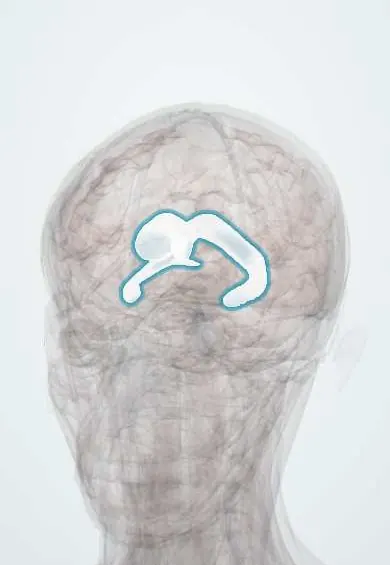
Representative model, for educational purposes only.