
Damage control resuscitation and surgery
A bleeding, cold patient dies on the table if the surgeon fixes everything. Damage control stops bleeding and leaks fast, warms the patient, and repairs later.
What it is
A staged strategy for patients in haemorrhagic shock: damage control resuscitation (blood products in balanced ratios, little crystalloid, tolerated low blood pressure, early tranexamic acid) combined with a short operation that only controls bleeding and contamination, leaves the abdomen open with a temporary closure, corrects physiology in the ICU and returns for definitive repair once the patient has recovered.
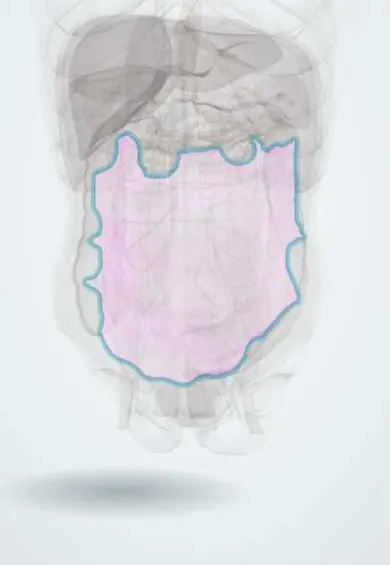
Who gets it
Uncontrolled haemorrhage is the leading cause of preventable death after injury. Only a minority of trauma laparotomies need damage control, mostly those with severe shock, massive transfusion, or combined vascular and visceral injuries. In Colombia the high burden of gunshot and stab wounds makes these operations routine in urban trauma centres, and Colombian trauma groups, notably in Cali, have published widely on damage control practice.
Causes
- Penetrating abdominal or thoracoabdominal trauma with major bleeding (gunshot and stab wounds)
- Blunt trauma with complex liver, pelvic or retroperitoneal haemorrhage
- Combined major vascular and hollow viscus injuries
- Non-trauma uses: ruptured aortic aneurysm, severe abdominal sepsis, massive obstetric or surgical bleeding
Risk factors
- Profound or prolonged haemorrhagic shock
- Need for massive transfusion
- Core temperature below 35 °C
- Severe metabolic acidosis (pH below about 7.2 or a worsening base deficit, rising lactate)
- Coagulopathy on tests or clinically (oozing from cut surfaces)
- Injuries that would need a long, complex repair (pancreaticoduodenal, juxtahepatic venous, multiple sites)
Pathophysiology
Bleeding → less oxygen delivered to tissues → anaerobic metabolism → lactic acidosis, which weakens clotting enzymes and the heart → less heat produced, plus cold fluids and an open abdomen → hypothermia, which slows clotting further → clotting factors and platelets lost and diluted by crystalloid, plus trauma-induced coagulopathy (tissue injury and shock activate protein C and fibrinolysis) → more bleeding → the lethal triad closes as a vicious circle; low ionised calcium from citrate in transfused blood adds a fourth corner → a long operation feeds every link, so the operation is shortened and resuscitation does the rest.
Classification
- Damage control 0 (prehospital and emergency department): recognise the patient, stop external bleeding, warm, start blood products, move fast to theatre
- Damage control I (abbreviated operation): control haemorrhage (packing, ligation, temporary vascular shunts, balloon tamponade), control contamination (staple off injured bowel, leave in discontinuity), temporary abdominal closure
- Damage control II (ICU): rewarm, correct acidosis, coagulopathy and calcium, restore perfusion, watch for abdominal compartment syndrome
- Damage control III (planned return, usually within 24–48 hours): remove packs, definitive repair, anastomoses or stomas, attempt fascial closure
- Damage control IV: delayed abdominal wall reconstruction when the fascia could not be closed
- Damage control resuscitation components: permissive hypotension, haemostatic resuscitation with balanced plasma, platelets and red cells, minimal crystalloid, early tranexamic acid, calcium and active warming
Symptoms and signs
- Shock: fast pulse, low blood pressure, cold clammy skin, poor capillary refill
- Ongoing bleeding from wounds or drains despite transfusion
- Diffuse oozing from cut surfaces and puncture sites (coagulopathy)
- Low core temperature and shivering or none at all in profound hypothermia
- Falling level of consciousness from poor brain perfusion
Diagnosis
- Clinical
- The decision is made early, ideally within minutes of opening, from the injury pattern and the physiology, not when the patient is already dying. The surgeon, anaesthetist and nursing team agree on the switch to damage control and on what will be done before leaving theatre.
- Tests
- Repeated blood gases with pH, base deficit, lactate and ionised calcium; haemoglobin, platelet count, fibrinogen and standard coagulation tests; viscoelastic testing (TEG or ROTEM) where available to guide which product to give; core temperature; bladder pressure after closure to detect intra-abdominal hypertension.
- Imaging
- Chest and pelvic X-rays and eFAST in the resuscitation room guide where to operate. CT is reserved for patients who stabilise, often between the first operation and the planned return, to find missed injuries; angiography with embolisation complements packing for liver and pelvic bleeding.
Differential diagnosis
- Definitive single-stage repair in a stable patient with normal physiology (damage control not needed)
- Non-haemorrhagic shock: tension pneumothorax, cardiac tamponade, neurogenic shock
- Abdominal compartment syndrome after closure, which mimics ongoing bleeding with falling urine output and hypotension
- Transfusion reactions and transfusion-related lung injury during massive transfusion
- Missed injury causing ongoing bleeding or sepsis after the first operation
The lethal triad (and the fourth corner): what feeds each, how to break it
| Corner | What causes it in the bleeding patient | What it does | How damage control breaks it |
|---|---|---|---|
| Hypothermia | Less heat from poorly perfused tissue, cold fluids, exposure, an open abdomen | Slows clotting enzymes and platelets, causes arrhythmias | Warm room and fluids, warming blankets, short operation, cover the abdomen |
| Acidosis | Anaerobic metabolism from poor oxygen delivery; large crystalloid volumes add hyperchloraemia | Weakens clotting factors and heart contraction, blunts vasopressors | Stop the bleeding and restore perfusion with blood, not crystalloid |
| Coagulopathy | Lost and diluted factors and platelets, plus early trauma-induced coagulopathy with fibrinolysis | Non-surgical oozing that no suture can stop | Balanced plasma, platelets and red cells, fibrinogen replacement, early tranexamic acid |
| Low ionised calcium | Citrate in transfused blood binds calcium | Weak clotting and weak heart contraction | Measure ionised calcium repeatedly and replace it during transfusion |
Goal of treatment
Stop the bleeding and the contamination as fast as possible, reverse the lethal triad before it becomes irreversible, avoid abdominal compartment syndrome and return for definitive repair and abdominal closure once physiology is restored.
Treatment
- Acute
- Damage control resuscitation: early balanced transfusion of plasma, platelets and red cells (massive transfusion protocol), minimal crystalloid, tolerated low blood pressure until bleeding is controlled (not in traumatic brain injury, where the brain needs perfusion), early tranexamic acid within the first 3 hours of injury, calcium replacement and active warming.
- Surgical
- Abbreviated laparotomy: pack the four quadrants, control major bleeding by ligation, repair or temporary intravascular shunt, pack and compress the liver, staple off injured bowel without anastomosis and leave it in discontinuity.
- Procedure
- Temporary abdominal closure: negative-pressure dressing or other temporary cover, leaving the fascia open to prevent abdominal compartment syndrome and allow a planned return.
- Procedure
- Angiography and embolisation for bleeding that packing cannot reach, especially from the liver and pelvis (often in a hybrid theatre).
- Follow-up
- ICU phase: core temperature, blood gases, lactate, ionised calcium, coagulation or viscoelastic tests, urine output and bladder pressure; nursing care of the open abdomen (dressing seal, fluid losses, skin) and early enteral feeding when possible.
- Surgical
- Planned return: remove packs, find missed injuries, definitive vascular and bowel repair, anastomosis or stoma, and primary fascial closure as early as the bowel swelling allows.
Complications
- Death from irreversible coagulopathy or multiple organ failure
- Abdominal compartment syndrome
- Enteroatmospheric fistula in the open abdomen
- Intra-abdominal abscess and wound infection
- Loss of abdominal domain and large ventral hernia when fascia cannot be closed
- Transfusion complications: lung injury, circulatory overload, hypocalcaemia
- Acute respiratory distress syndrome and acute kidney injury
Common traps
- Damage control is a lesser operation for a less skilled team: it is a deliberate, planned strategy that needs senior judgement; knowing when to stop is the hard part
- Switch to damage control when the patient becomes cold and acidotic: by then the triad may be irreversible; decide early from the injury pattern and the trend, ideally in the first minutes
- Close the abdomen at the end to finish the job: closing swollen bowel and packs under tension causes abdominal compartment syndrome; leave the fascia open with a temporary closure
- Permissive hypotension suits every bleeding patient: in traumatic brain injury a low pressure causes secondary brain injury, so the target is normal perfusion
- Crystalloid is a safe filler while blood is prepared: it dilutes clotting factors, cools the patient and worsens acidosis; give blood products early and in balanced ratios
Prognosis
Damage control has made survival possible in patients who would have died during a long single operation, but mortality in this group remains high and survivors face long ICU stays and abdominal wall problems. Outcomes are best when the decision is made early, resuscitation is balanced and the fascia is closed early; using damage control in patients who did not need it adds morbidity without benefit.
Prevention
- Trauma systems that bring bleeding patients quickly to a surgical centre
- Early recognition of shock and early massive transfusion protocols
- Avoiding large crystalloid volumes and keeping the patient warm from the scene onwards
- Injury prevention: violence reduction, road safety, helmets and seatbelts
Test yourself
Think of the answer, then tap the question to see it.
What are the three corners of the lethal triad, and what fourth problem does massive transfusion add?
Hypothermia, acidosis and coagulopathy; citrate in transfused blood also lowers ionised calcium, which weakens clotting and the heart.
Why is the abdomen left open after a damage control laparotomy?
Swollen bowel, packs and ongoing resuscitation raise abdominal pressure; closing it would cause abdominal compartment syndrome and would also delay the planned return for definitive repair.
A gunshot victim has a pH of 7.1, temperature 34 °C, oozing from every cut surface and a pancreaticoduodenal injury. What should the surgeon do and why?
Switch to damage control: pack, control bleeding, staple off the bowel, temporary closure and ICU. A long reconstruction now would deepen the lethal triad; definitive repair waits until physiology recovers.
In which injured patient is permissive hypotension avoided, and why?
In traumatic brain injury: the injured brain needs adequate perfusion pressure, and hypotension causes secondary brain injury and worse outcomes.
Why is damage control resuscitation built on blood products rather than crystalloid?
Crystalloid carries no oxygen or clotting factors; it dilutes what is left, cools the patient and worsens acidosis, while balanced plasma, platelets and red cells treat the coagulopathy that drives bleeding.
Connections
Educational information, not medical advice. For any symptom, see a health professional.
Sources: Traumatic Open Abdomen (StatPearls (NCBI Bookshelf), 2023); Massive Transfusion (StatPearls (NCBI Bookshelf), 2025); Hemorrhagic Shock (StatPearls (NCBI Bookshelf), 2022); EMS Tactical Paramedic Lethal Triad (StatPearls (NCBI Bookshelf), 2024).
Spotted a mistake?We are always improving for the community. Tell us what is wrong and our team will review it.Report a mistake
Representative model, for educational purposes only.