
Paediatric trauma: how injured children differ
Injuries are the leading cause of death in children after their first birthday. Children are not small adults: they hide shock and bleed differently.
Quick facts
- Key signs
- Tachycardia · Irritability · Abdominal bruising
- First line
- Splenic repair or partial removal
Red flags ↓
No doses: the clinician sets them by the current guideline.
What it is
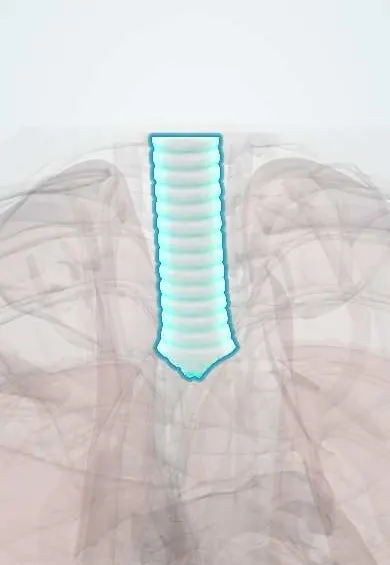
The assessment and care of injured children, which follows the same ABCDE priorities as adult trauma but adjusts for a child's different airway, physiology, body proportions and injury patterns. It also covers when an injury may not be accidental.
Who gets it
Injuries are the leading cause of death in children and adolescents after the first year of life worldwide. Blunt trauma dominates: road traffic (as pedestrians, cyclists and motorcycle passengers), falls, drowning and burns; penetrating trauma rises in adolescents. Head injury is the commonest cause of trauma death in children. In Colombia, road traffic injuries, falls, drowning and violence, including interpersonal violence and maltreatment, are major causes of injury death and disability in children, and young passengers on motorcycles are a particular concern.
Causes
- Road traffic: pedestrian struck, bicycle (handlebar), motorcycle and car crashes with poor restraint
- Falls from height (windows, roofs, balconies, playground equipment)
- Drowning and near-drowning
- Burns and scalds
- Inflicted injury (maltreatment), especially in infants
- Penetrating injury (stab and gunshot wounds) in adolescents
Risk factors
- Age: toddlers (falls, scalds, drowning) and adolescents (road traffic, violence, risk-taking)
- Lack of supervision, unsafe homes and no barriers on windows, stairs or water
- No car seat, booster or seat belt; no helmet on bicycles or motorcycles
- Poverty and crowded housing
- Family violence, caregiver substance use and young infants with crying problems (maltreatment)
Pathophysiology
A smaller body absorbs the same force over less mass → energy spreads to several organs at once (multiple injuries are the rule). The head is large and heavy → it leads in falls and crashes → traumatic brain injury drives mortality. The ribs are pliable → force passes to the lung and upper abdominal organs without rib fractures → pulmonary contusion, splenic and liver injury. When a child bleeds → heart rate and vasoconstriction rise first → blood pressure holds until a large fraction of the blood volume is lost → then falls abruptly (decompensated shock). A large surface area for body weight → heat is lost fast → hypothermia worsens coagulopathy and acidosis.
Classification
- By mechanism: blunt (most) or penetrating
- By severity: minor, or major trauma meeting trauma-team activation criteria
- Shock: compensated (tachycardia, poor perfusion, normal blood pressure) or decompensated (hypotension, a late, ominous sign)
- Head injury by Glasgow Coma Scale, using the paediatric verbal scale in preverbal children
- Solid organ injury by the AAST grade (I–V) on CT
- Accidental or inflicted (suspected maltreatment)
Symptoms and signs
- Tachycardia, pallor, cool hands and feet and slow capillary refill with a normal blood pressure (compensated shock)
- Irritability, drowsiness or a child who stops interacting with the parent
- Abdominal bruising (handlebar or seat-belt mark), tenderness or distension
- Breathlessness, grunting or reduced breath sounds
- Vomiting, scalp swelling or a bulging fontanelle after a head injury
- Limb deformity or refusal to move a limb
Diagnosis
- Clinical
- Primary survey (ABCDE) with child-specific normal values for heart rate, breathing and blood pressure, then a secondary survey from head to toe, including the back, perineum and a look for patterned bruises. Estimate weight with a length-based tape or age-based formula to size equipment and drugs. Take a careful history of the mechanism and compare it with the child's development.
- Tests
- Blood count, group and crossmatch, blood gas with lactate and base deficit, glucose, liver enzymes (raised levels suggest liver injury), amylase or lipase, and urinalysis for blood. Coagulation tests in major bleeding. When maltreatment is suspected: a full skeletal survey in children under 2 years, eye examination for retinal haemorrhages, and investigations that rule out bleeding disorders.
- Imaging
- Chest X-ray and, in major blunt trauma, pelvic X-ray if indicated. FAST can help in an unstable child but misses many solid organ injuries, so a negative scan does not exclude them. CT of the abdomen with intravenous contrast in a stable child with suspected abdominal injury. Head CT selected with a validated paediatric decision rule to limit radiation. Cervical spine imaging guided by clinical rules; MRI when deficits exist without a fracture.
Differential diagnosis
- Accidental injury versus inflicted injury (maltreatment)
- Medical causes of bruising or fractures: bleeding disorders, osteogenesis imperfecta, rickets
- Sepsis or dehydration in a child with tachycardia and poor perfusion
- Hypoglycaemia, poisoning or seizure in a child with reduced consciousness after a minor fall
- Spinal cord injury without radiographic abnormality, hidden by normal X-rays
Where the injured child differs, and what it changes
| Area | How a child differs | What it changes at the bedside |
|---|---|---|
| Airway | Large occiput, large tongue, floppy epiglottis, short trachea | Pad under the shoulders for a neutral neck; watch for right-main-bronchus intubation; needle, not surgical, cricothyroidotomy in young children |
| Breathing and chest | Pliable ribs, mobile mediastinum, breathing driven by the diaphragm | Lung contusion without rib fractures; a distended stomach splints breathing, so decompress it |
| Circulation | Strong compensation: heart rate rises, blood pressure holds | Treat tachycardia and slow capillary refill as shock; use intraosseous access early if veins fail |
| Head | Large, heavy head, thin skull, open sutures in infants | Head injury is the main killer; infants can bleed enough inside the skull to become shocked |
| Abdomen | Spleen and liver less covered by ribs, thicker capsule | Most solid organ injuries in stable children are managed without surgery |
| Pattern of injury | Injury may be inflicted | Look for red-flag bruises and fractures; skeletal survey under 2 years; protect and report |
Goal of treatment
Find and treat what kills first in the right order, recognise shock before blood pressure falls, preserve injured organs (especially the spleen), limit radiation, keep the child warm and with the family, and protect the child if the injury may be inflicted.
Treatment
- Acute
- Primary survey: open and protect the airway with cervical spine protection sized for the child, give oxygen, control external bleeding, and gain access by vein or intraosseous needle. Use a length-based tape to choose equipment and weight-based drug and fluid amounts.
- Acute
- Haemorrhagic shock: early blood products in a balanced ratio rather than large volumes of crystalloid, tranexamic acid when indicated, and early involvement of a paediatric surgeon. Keep the child warm.
- Follow-up
- Non-operative management of spleen and liver injuries in haemodynamically stable children: admission to a unit with surgical cover, serial examinations and blood counts, bed rest and gradual return to activity guided by the injury grade.
- Surgical
- Laparotomy for a child who stays unstable despite transfusion, for hollow viscus perforation or peritonitis; splenic repair or partial removal is preferred over splenectomy when possible. Neurosurgery for expanding intracranial haematomas.
- Procedure
- Angioembolisation for ongoing bleeding from a solid organ in selected children, available mainly at larger trauma centres.
- Conservative
- Pain relief appropriate for age, a parent at the bedside when possible, and minimising needles and repeated scans.
- Follow-up
- Suspected maltreatment: document injuries carefully, keep the child safe in hospital, involve the child-protection team, and notify the authorities; in Colombia this means the ICBF and the public health surveillance system.
- Rehabilitation
- Rehabilitation and follow-up of head injuries, fractures and emotional effects; vaccination against encapsulated bacteria and early-antibiotic advice if the spleen is removed.
Complications
- Death from head injury or uncontrolled bleeding
- Late recognition of decompensated shock
- Missed hollow viscus, pancreatic or duodenal injury
- Long-term neurological and learning problems after brain injury
- Overwhelming infection after splenectomy
- Growth-plate injury causing limb shortening or deformity
- Repeated injury or death when maltreatment is missed
- Post-traumatic stress in the child and family
Common traps
- A normal blood pressure means the injured child is not in shock: children keep their pressure until a large share of the blood is lost; tachycardia, cool skin and slow refill are the early signs
- No rib fractures means no serious chest injury: pliable ribs let the lung bruise badly underneath; and rib fractures in an infant should raise concern for abuse
- A bleeding spleen needs removing: most stable children heal it without surgery, and keeping the spleen avoids lifelong risk of overwhelming infection
- A negative FAST rules out abdominal injury in a child: FAST misses many solid organ and bowel injuries; a stable child with suspicion needs CT or close observation
- Every injured child needs a pan-CT like an adult: radiation matters more in children; validated decision rules choose who needs a head CT
Prognosis
Children recover from injuries that would kill or disable adults, and most solid organ injuries heal without surgery. Outcome depends mostly on the brain injury and on how fast shock is recognised and treated. Missed maltreatment carries a high risk of repeat and fatal injury.
Prevention
- Car seats and boosters by age and size, seat belts for all, and children in the back seat
- Helmets on bicycles and motorcycles, and no young children as motorcycle passengers
- Window guards, stair gates, and supervision near water with fenced pools
- Safe storage of hot liquids, chemicals and firearms
- Support for parents of crying infants and early help for families at risk of violence
Test yourself
Think of the answer, then tap the question to see it.
A 6-year-old hit by a car has a heart rate of 160, cool hands, capillary refill of 4 seconds and a normal blood pressure. Is he in shock?
Yes, compensated haemorrhagic shock. Children hold their blood pressure until a large share of blood is lost; treat now with blood products and a surgeon, before hypotension appears.
A stable 9-year-old has a grade III splenic laceration on CT after a bicycle fall. Why is the usual plan observation rather than splenectomy?
Most splenic injuries in stable children stop bleeding and heal, and keeping the spleen avoids lifelong risk of overwhelming infection from encapsulated bacteria.
Why can a child have a severe lung contusion with no rib fracture?
A child's ribs are pliable: they bend and pass the force to the lung underneath instead of breaking.
A 3-month-old who cannot yet roll has bruises on the ear and a story of 'falling off the sofa'. What should you do?
Suspect maltreatment: bruising in a non-mobile infant and on the ear are red flags. Admit for safety, do a skeletal survey, eye exam and head imaging, and involve child protection.
A 10-year-old has a handlebar bruise on the upper abdomen and a normal first CT. What injuries can still be missed?
Pancreatic and duodenal injuries, including duodenal haematoma, which may show only hours later; observe, repeat examination and enzymes, and re-image if pain or vomiting develop.
In emergency medicine
Connections
Educational information, not medical advice. For any symptom, see a health professional.
Sources: Pediatric Head Trauma (StatPearls (NCBI Bookshelf), 2024); Splenic Trauma (StatPearls (NCBI Bookshelf), 2024); Child Abuse and Neglect (StatPearls (NCBI Bookshelf), 2024); Child maltreatment (World Health Organization, 2024).
Spotted a mistake?We are always improving for the community. Tell us what is wrong and our team will review it.Report a mistake
Representative model, for educational purposes only.